
Funded ITC Conference Grants
Reports 1st year ITC Conference Grants NanoSpace call: 01/11/2022 - 31/10/2023
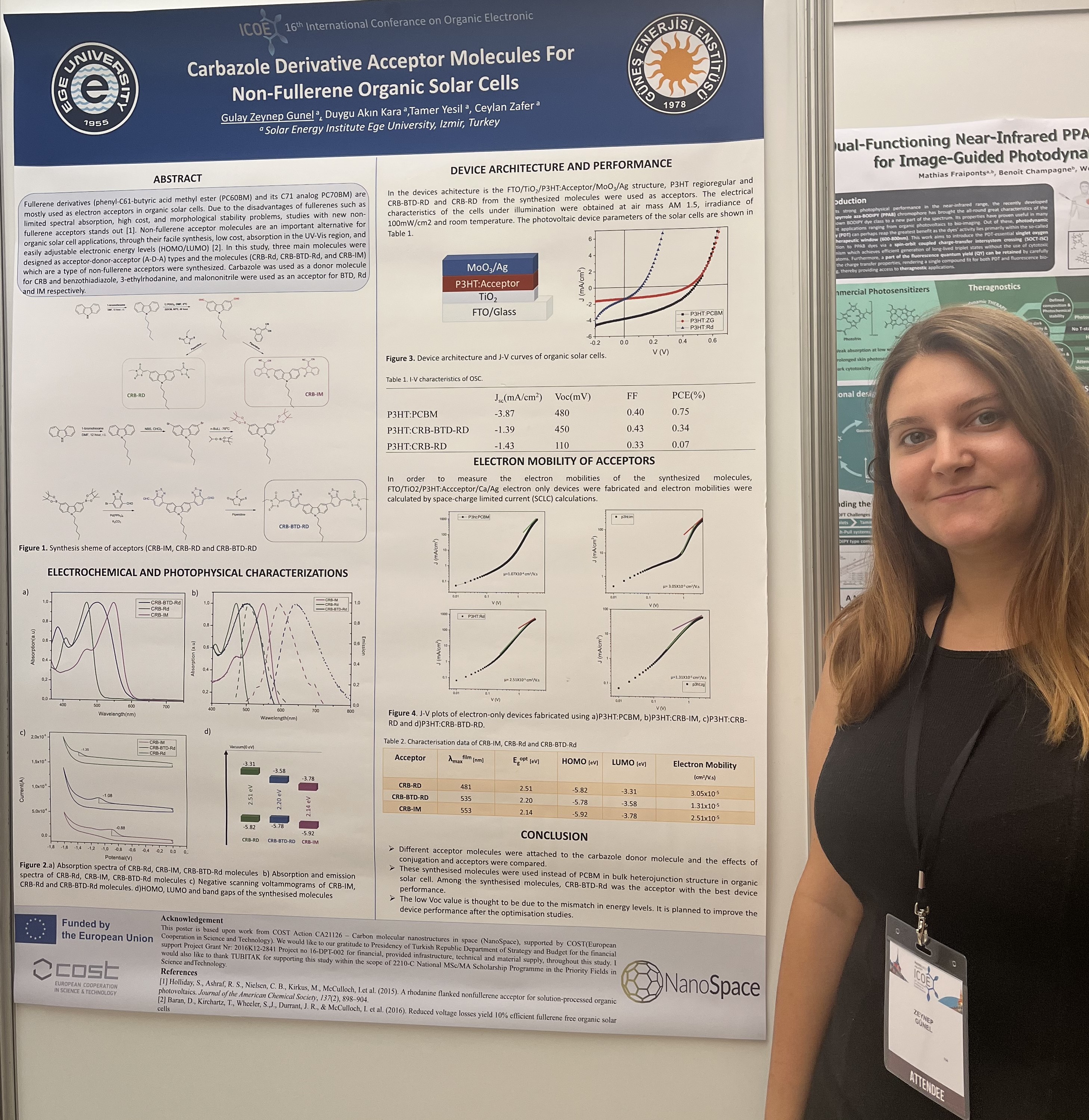
Gulay Zeynep Gunel - International Conference on Organic Electronics (ICOE2023)
The International Conference on Organic Electronics (ICOE2023, Madrid, Spain) I attended had a significant impact on me by exposing me to the latest research and providing valuable insights into my field of study. I had the opportunity to witness the advancements in organic optoelectronics, non-fullerene molecules, perovskites, and flexible solar cell fabrication through various presentations and discussions by renowned experts. Moreover, I had the privilege to meet Prof. Nazario, the esteemed organizer of the conference, which opened doors for networking and potential collaborations. Furthermore, attending talks from diverse fields exposed me to different areas of research and sparked ideas for potential interdisciplinary studies. I'd like to express my gratitude to NanoSpace for their support in enabling me to attend this conference, which has allowed me to broaden my knowledge, connect with field experts, and gain insights into the latest developments in my research area.
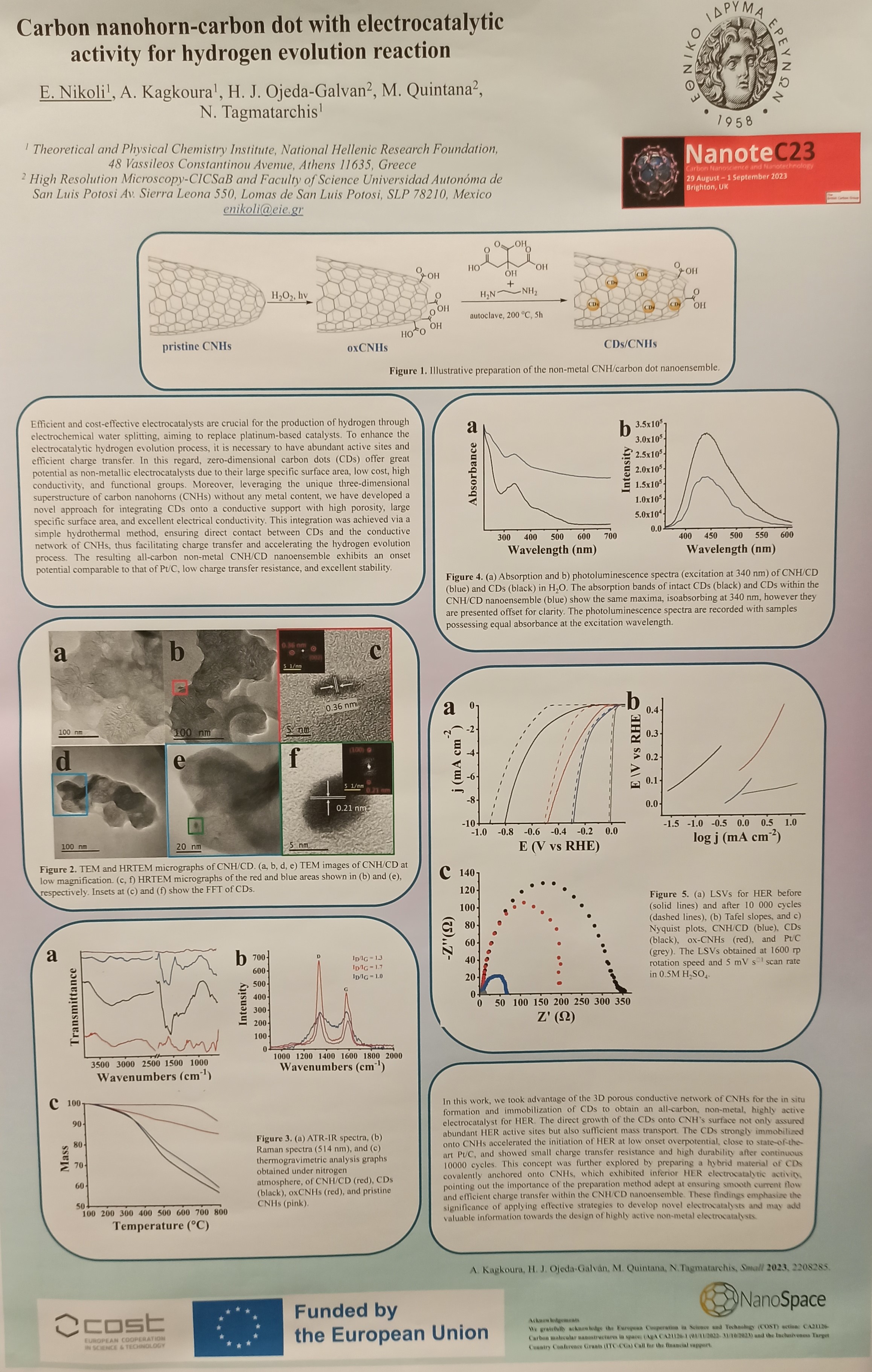
Eleni Nikoli - NanoteC23 Carbon Nanoscience and Nanotechnology
My participation in the 2023 Carbon Nanoscience and Nanotechnology Conference, NanoteC23, was a transformative experience. It afforded me the unique opportunity to engage in knowledge exchange with renowned experts in carbon nanoscience and its multifaceted applications. The conference featured compelling oral presentations on topics ranging from liquid-phase exfoliation of nanomaterials to gas-sensing applications and the development of versatile nanomaterials with transparency, tunability, and flexibility for corrosion resistance. These sessions significantly broadened my understanding of graphene-based materials and their transition metal-based counterparts. Equally impactful were the discussions during poster sessions, which deepened my comprehension of nanocarbons, both theoretically and in practical laboratory contexts. The questions posed by fellow attendees enhanced my perspective on my own research, thanks to insightful interactions with esteemed scientists. Attending this conference not only provided me valuable insights but also fostered connections with peers in my field, setting the stage for potential collaborations. Consequently, I am now brimming with confidence and motivation to advance my research by integrating nanocarbon materials into space technologies through collaborative efforts. In summary, my participation in NanoteC23 was a profoundly influential and motivating experience. It validated my research and holds the promise of enriching my scientific pursuits through future collaborations.
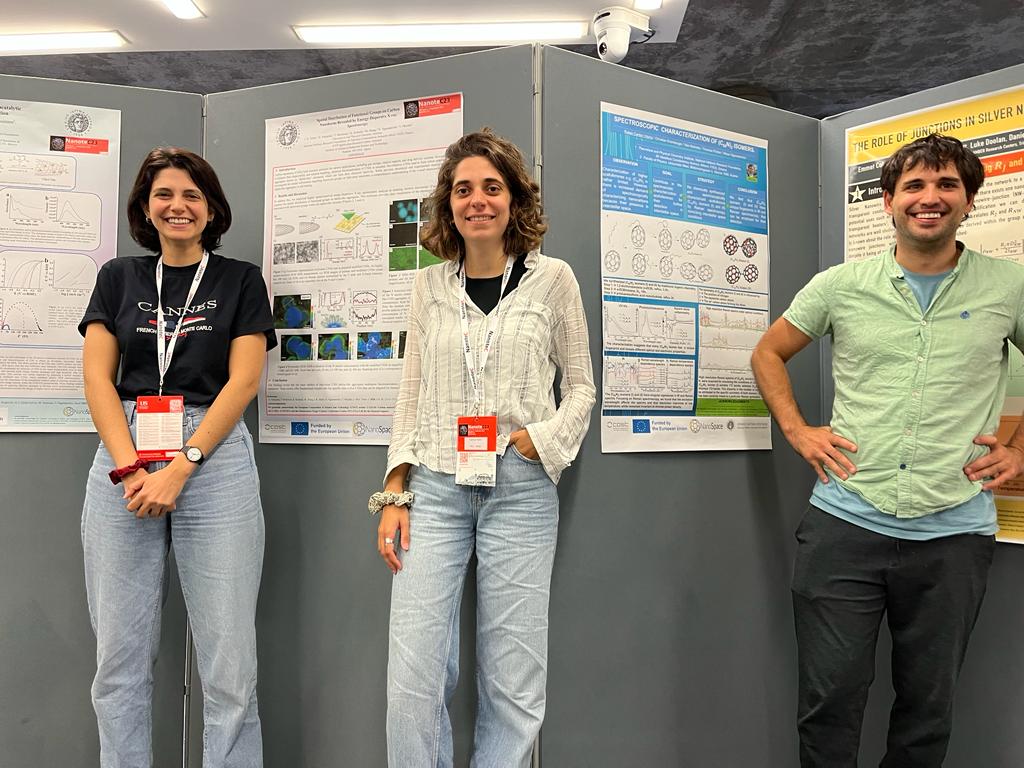
Ioanna Sideri - NanoteC23 Carbon Nanoscience and Nanotechnology
In late August 2023 I had the pleasure and honor to attend and participate with a poster presentation to the NanoteC23 on Carbon Nanoscience and Nanotechnology conference owing to the ITC Conference grant by the COST Action NanoSpace. My participation to this conference was a transformative experience research-wise, as it provided me a platform for knowledge exchange with leading experts in carbon nanoscience and its diverse applications, including those in space-related industries. The conference featured engaging oral presentations on topics expanding from liquid-phase exfoliation of nanomaterials to its applications as sensors, electrocatalysts and wearables. These sessions significantly expanded my understanding of graphene-based materials and their transition metal-based counterparts. Additionally, the fruitful discussions during poster sessions were instrumental in deepening my grasp of nanocarbons, both theoretically and in practical laboratory settings. Attending NanoteC23 not only provided me valuable insights but also facilitated networking with peers in my field, particularly relevant for potential collaborations in the limited space exploration domain in Greece. Consequently, I am now motivated and confident in exploring the integration of nanocarbon materials into space technologies through collaborative research.
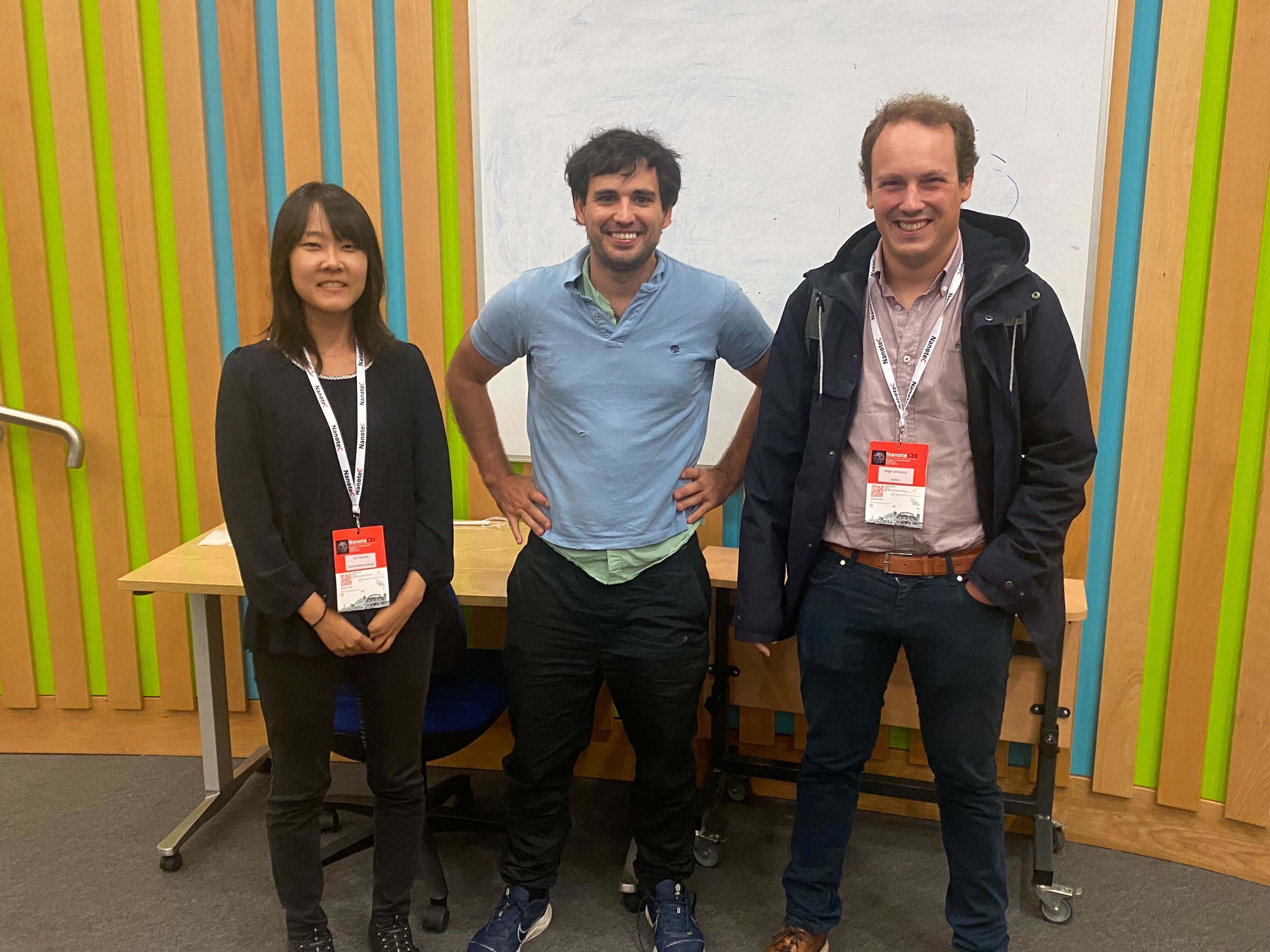
Yuri TANUMA - NanoteC23 Carbon Nanoscience and Nanotechnology
In the last week of August 2023, I participated in NanoteC23, a nanocarbon conference held at the University of Sussex in the UK. I gave a presentation on the stabilisation and thin-film growth of C59N azafullerene radicals. Throughout the conference, I had the opportunity to meet a lot of latest research findings and innovative ideas in diverse fields, including biosensing, building materials for Mars, and fullerene chemistry, and I engaged in meaningful discussions with experts. Particularly, I appreciate several feedbacks to my presentation about STM observation, which will help me improve my STS measurements. Moreover, I had the chance to get to know an expert in DFT calculations who will provide support and take part in discussion regarding the calculations and their interpretation. Overall, I sincerely appreciate the ITC Conference Grant by the COST Action NanoSpace for providing me this great opportunity to participate in this conference and establish scientific connections with international carbon researchers, which will facilitate potential future collaborative research.
Ruben Canton Vitoria - NanoteC23 Carbon Nanoscience and Nanotechnology
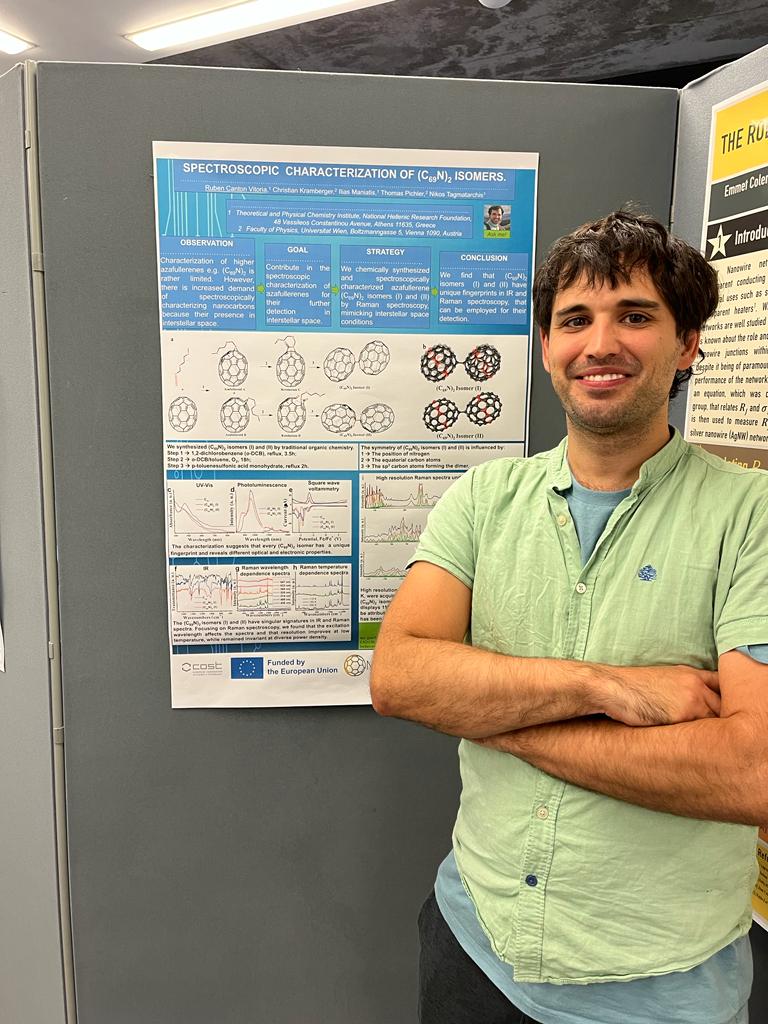
In August 2023, NanoSpace provided me with the opportunity to participate in the NanoteC23 conference. This was particularly significant for me, as I had been attending NanoteC since 2015. For a young scientist like me, exploring and meeting new researchers is of utmost importance, as it helps to establish new connections that can lead to future collaborations. During the conference, I met with Chris Ewels, current collaborators and devised plans to complete ongoing projects related to (C59N)2 derivatives. Furthermore, I established new contacts with other COST NanoSpace members, Yuri Tanuma and Jorge Laranjeira, and discovered that we share several scientific interests. Currently, I am in contact with both of them, exchanging information and engaging in discussions on various topics with the goal of advancing our collective knowledge of carbon nanomaterials. Several scientific talks piqued my interest, particularly those presented by Yuri, Jorge, Chris, and Jonatan Coleman. They provided very valuable insights into carbon nanomaterials and their potential applications in space. On the other hand, I also shared information about the characterization of C69N2 derivatives under different conditions, which could be of great significance for their detection in space. Lastly, I discovered that I am a better scientist than a cricket player. Therefore, I intend to continue focusing on my scientific research, where I perfectly know the trajectory of the (fullerene) balls.
Jorge Diogo Marques Laranjeira - NanoteC23 Carbon Nanoscience and Nanotechnology
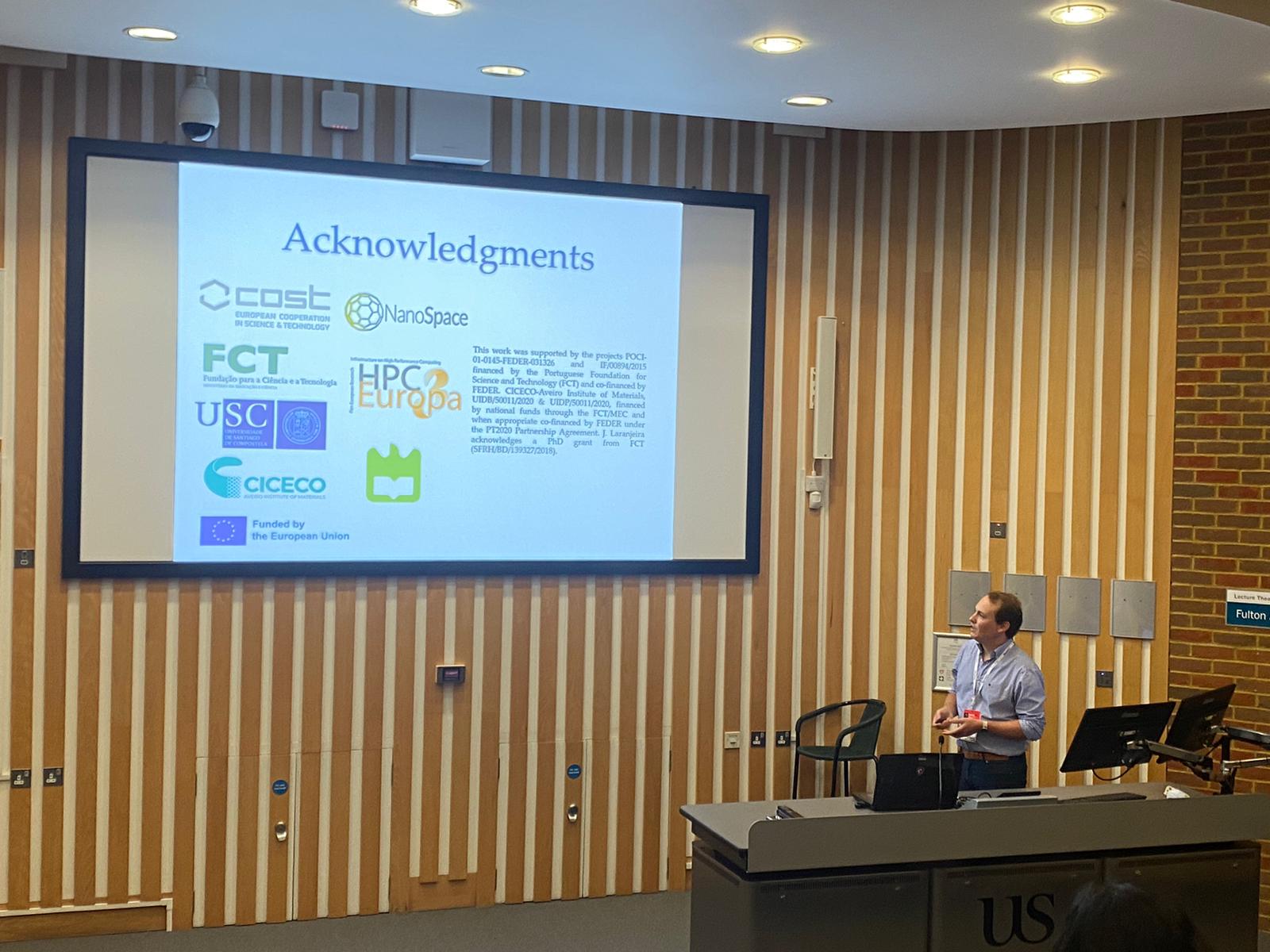
At the NanoteC23 conference held at the University of Sussex, Jorge Laranjeira presented his recent Ph.D. research, focusing on fullerene dimerization. He also provided an overview of high-pressure, high-temperature C60 polymer synthesis and showcased some of his investigated structures. The audience's response was positive, indicating genuine interest in his research. Importantly, Jorge also fostered potential collaborations with fellow researchers, Chris Ewels and Rubén Cantón Vitoria, during the event. It's worth noting that Jorge's participation in NanoteC23 was made possible through financial support from NanoSpace, highlighting the vital role of such funding (or sponsorships) in facilitating the scientific exchange and collaboration crucial for all ITC young researchers.
Reports 2nd year ITC Conference Grants NanoSpace call: 01/11/2023 - 31/10/2024
Jakub Nadolny - Extreme galaxies in their extreme environments at extremely early epochs conference
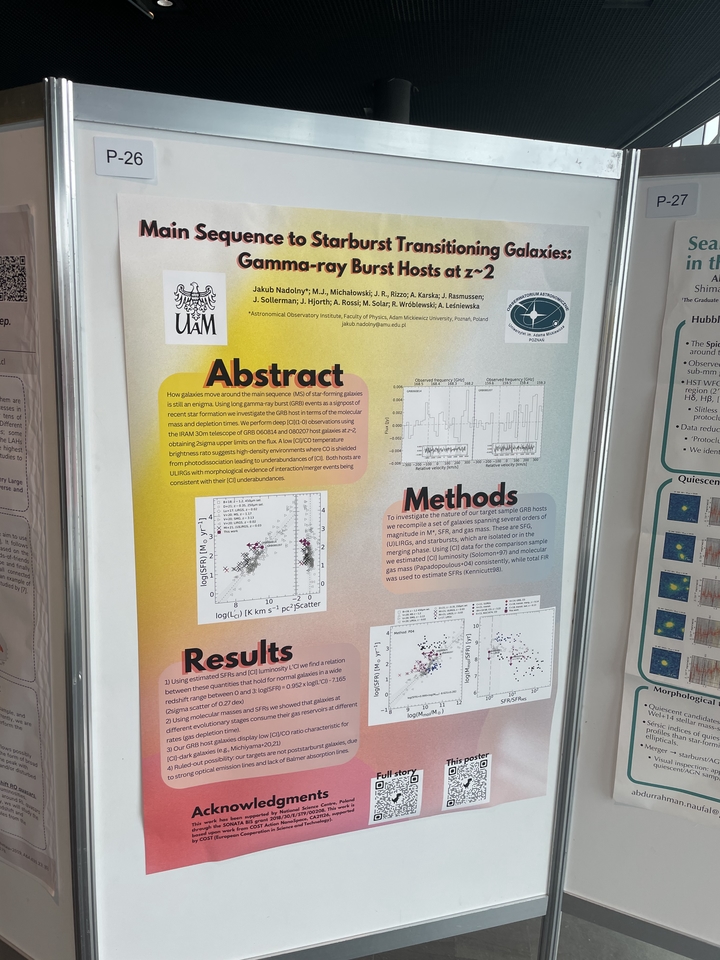
During the Extreme Galaxies Conference (Reykjavik, Iceland), I had the opportunity to meet top scientists from around the world. The era of JWST and ALMA marks a time of extreme discoveries that will profoundly influence our understanding of the Universe and its evolution. Therefore, learning about these discoveries and engaging with scientists proved immensely valuable. In my poster, I presented work on carbon species ([CI] and CO) in gamma-ray burst hosts. In particular, regarding [CI] emission from galaxies that hosted a gamma-ray burst. We find that these are [CI]-dark galaxies with [CI]/CO ratio (<0.1) suggesting a high-density environment where CO is shielded from photodissociation. This kind of environment is often found in merging galaxies, as are our galaxies as suggested by high-resolution HST images. I was able to establish two important connections for potential collaborations in the future. These collaborations are related to the presented work and a future project.
Ioanna Sideri - European Materials Research Society (EMRS) Spring Meeting 2024
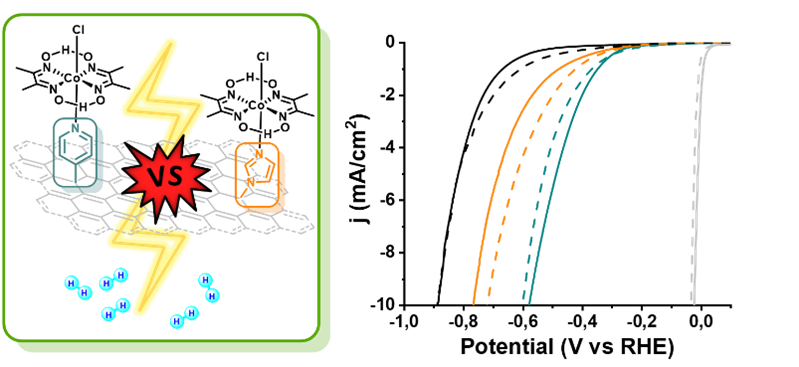
In May 2024 I had the amazing opportunity to participate in the European Materials Research Society (EMRS) Spring Meeting 2024 in Strasbourg, France. The ITC conference grant made my attendance and participation to this prestigious conference, possible. I presented my work on the impact of the functionalization of the outer-coordination sphere of cobaloxime-grafted graphene, in electrocatalytic hydrogen evolution reaction. I am beyond grateful to have met incredible scientists working in the field of carbon nanostructured materials and beyond and attend very interesting and insightful talks. I also had the pleasure to meet and catch up with other NanoSpace members that I look forward to collaborate with in the near future. The conference covered a wide range of different fields on materials science, which expanded my knowledge in other materials and applications as well, making my experience deeply enriching and inspiring!
Gunel Aliyeva - Nanoscience and Nanotechnology Conference 2024
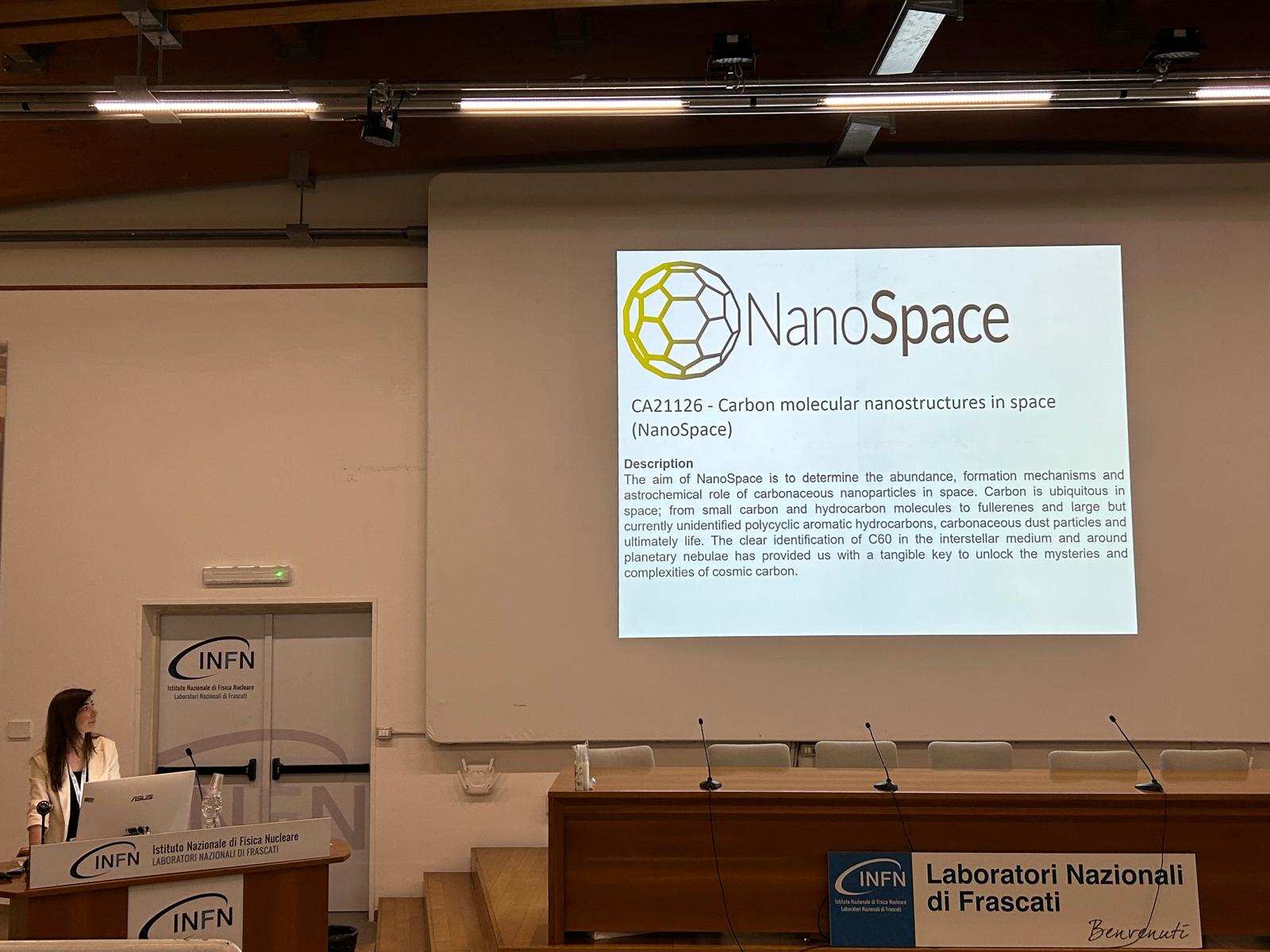
The Nanoscience and Nanotechnology Conference held at the Istituto Nazionale di Fisica Nucleare (INFN) in Rome, Italy, brought together leading scientists, researchers, and industry professionals to discuss the latest advancements and future trends in nanoscience and nanotechnology. The conference was devoted to recent developments in nanoscience and its manifold technological applications. I presented my research in the "Session one: biomedicine and optoelectronics". The presentation was related to the surface functionalization of graphene oxide with organic molecules based on non-covalent interactions. The conference featured a large number of research papers on graphene-based materials. This allowed for interesting discussions, exchange of ideas and identification of potential areas of mutual interest. In addition, the post-presentation discussions created conditions for special collaborations and planning of follow-up meetings. At the end of the presentation, I acknowledged NanoSpace for supporting my participation. Several young researchers asked questions about the COST Action and were interested in joining and participating in NanoSpace networking activities. In short, this opportunity allowed me to meet very different researchers and make new colleagues and connections.
Reports 3rd year ITC Conference Grants NanoSpace call: 01/11/2024 - 31/10/2025
Dogan Erbahar - HeteroNanoCarb 2025 Conference
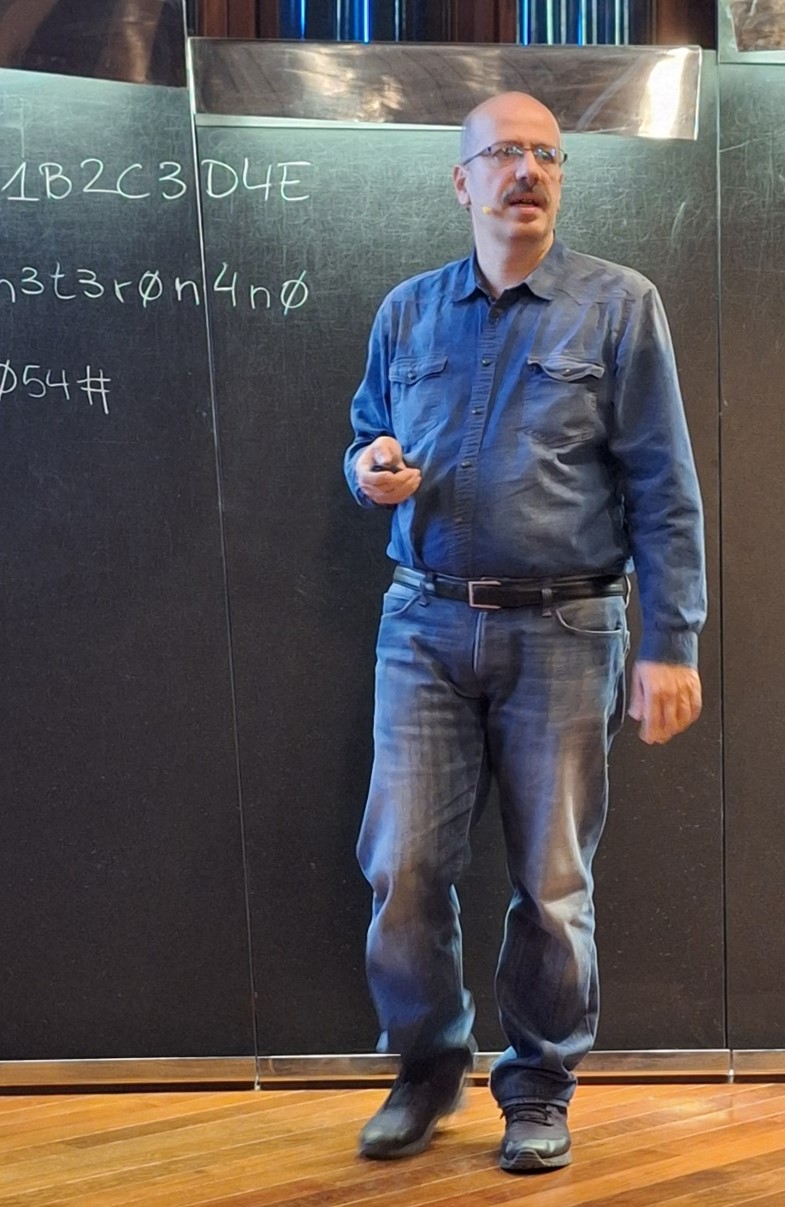
In January 2025, I had the pleasure and honour to participate in the prestegious HeteroNanoCarb 2025 Conference (Benasque, Spain) as an invited speaker. Being the first invited talk in the second day of the conference, my talk's visibility was high and received maximum attention from the participants. I was quite thrilled to see that it also has sparked a lot of scientific discussions during the conference time. New collaboration possibilities have been discussed and already established in the conference with 3 different groups regarding the results presented in the talk. The studies presented in the talk were a summary of the tribology and twistronics studies performed by Erbahar Research Lab in the last couple of years and it amplified the visibility of the lab, of the action as well as its members who are all NanoSpace members. Future mobility of the students between NanoSpace member partners have been discussed and agreed in principle as well.
Denis Arčon - HeteroNanoCarb 2025 Conference
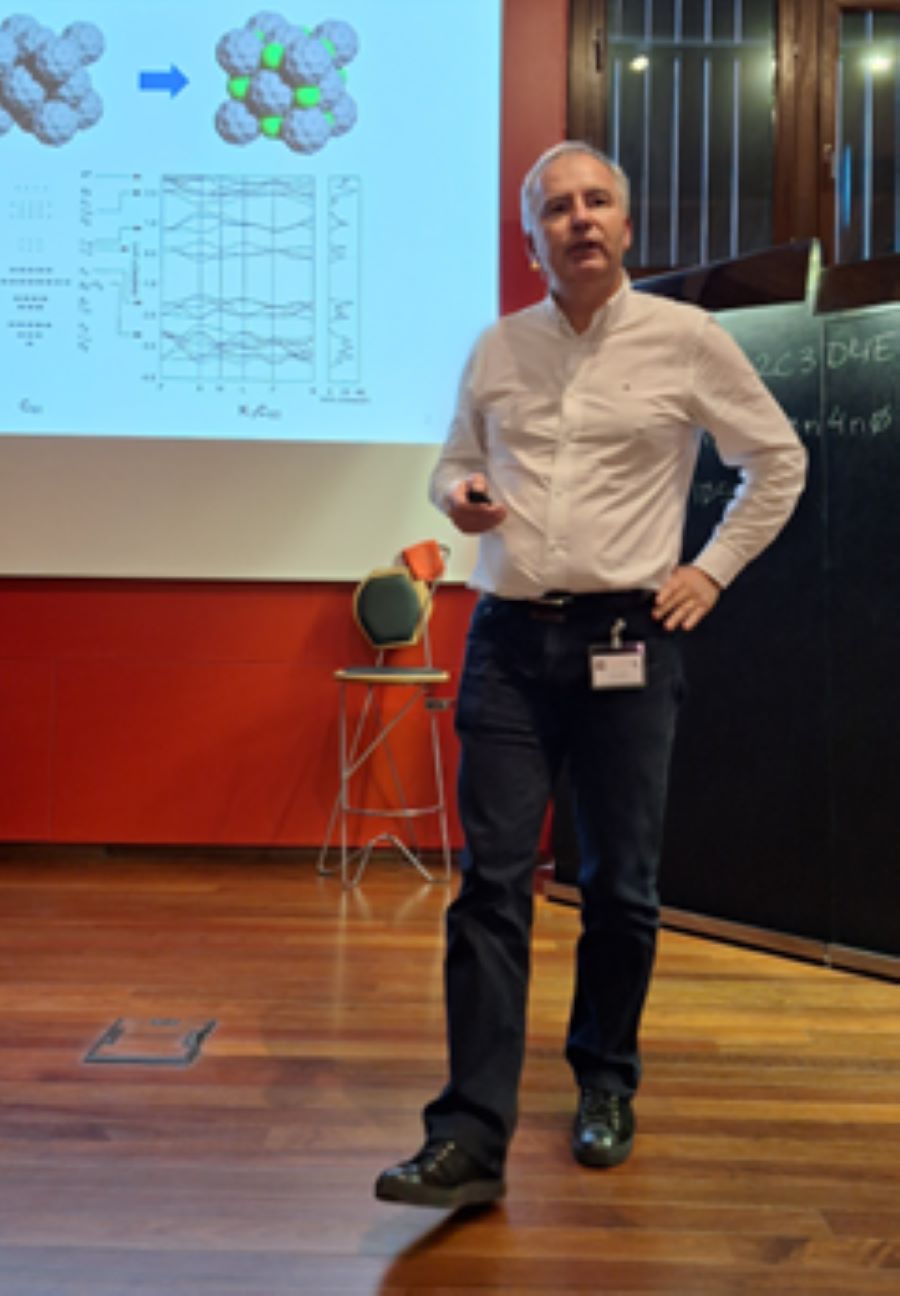
The biannual HeteroNanoCarb 2025 Conference, organised in Benasque (Spain) on January 13-17 2025, focuses on significant advances that have been recently made in the science of nano-carbon materials (nanotubes, graphene, nanodiamonds, fullerenes, nanoporous, cyclic nanotube rings (CPPs) and ribbons ...). These developments do not only pertain to fundamental/basic studies but have also yielded tremendous progress in the development of technological applications. This year I had a pleasure to participate at this workshop as an invited speaker. I presented our progress in the fields of superconductivity in alkali-doped fullerides and the bottom-up growth strategies for engineering 2D arrays of fullerene-based qubits. I also had numerous interesting discussions with conference participants that may lead to further scientific exchanges between NanoSpace members.
Boutheïna Kerkeni - Saint Florent Workshop Astrochemistry in the JWST Era
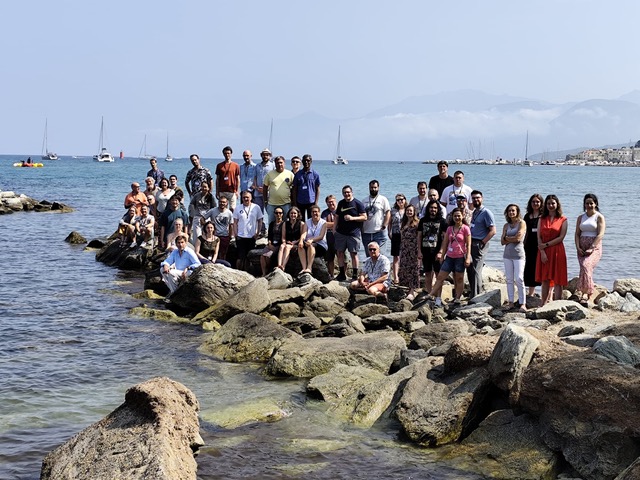
The “Astrochemistry in the JWST Era” workshop in Saint-Florent (France), brought together researchers working on complementary aspects of astrochemistry, including laboratory surface experiments, theoretical simulations, and astronomical data interpretation. The WG3 co-Leader Boutheïna Kerkeni presented theoretical investigations of two radical–radical reactions: CN + CH2S and CCH + CH2S. The first system revealed three submerged product channels with complex multistep pathways, while the second, although also leading to three products, exhibited simpler mechanisms. Using quantum chemistry and rate theory, the study assessed the kinetic viability of each route and highlighted their potential contributions to the formation of sulfur-bearing molecules such as HCSCN and HCSCCH in the interstellar medium (ISM). These insights would support future JWST-driven searches in cold dark clouds like TMC-1.
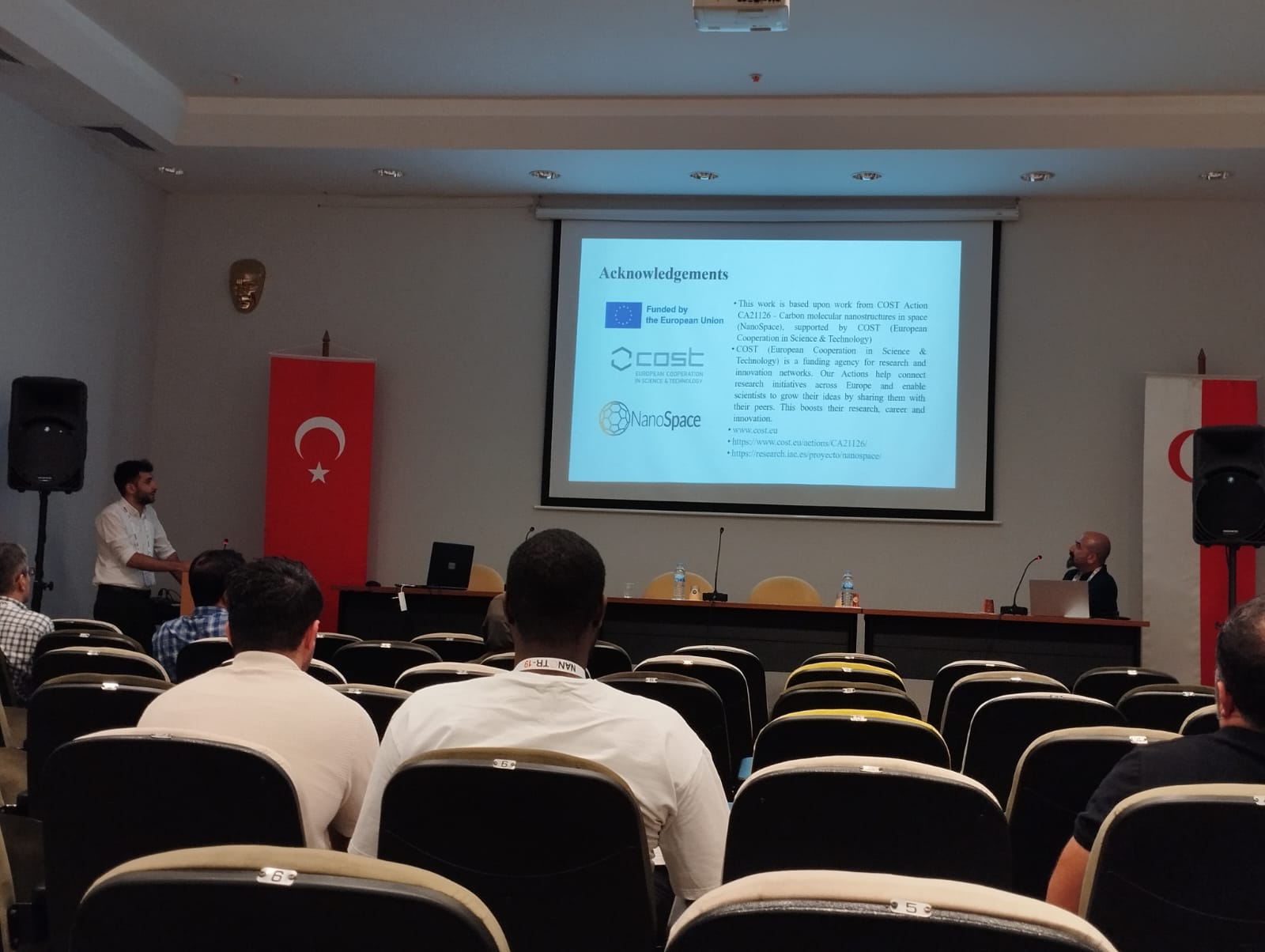
Mahammad Baghir Baghirov - 19th International Nanoscience and Nanotechnology Conference (NanoTR-19)
My participation in the NanoTR-19 Conference was an invaluable opportunity to present and discuss the outcomes of my research. During the event, I delivered a presentation on the structural effects of gamma radiation on GO and GO/PVA/AgNW nanocomposites. In my talk, I highlighted the radiation-induced changes within these nanostructures, focusing on parameters such as defect distance and defect concentration, and discussed how these structural modifications influence material properties. The conference not only allowed me to share my findings with an international scientific community but also created an excellent platform for establishing new professional connections and initiating future collaborations. Engaging discussions following my presentation provided valuable feedback and perspectives for the continuation of my research. I would like to sincerely thank NanoSpace for supporting my participation in this important scientific event.
Reports 4th year ITC Conference Grants NanoSpace call: 01/11/2025 - 26/10/2026
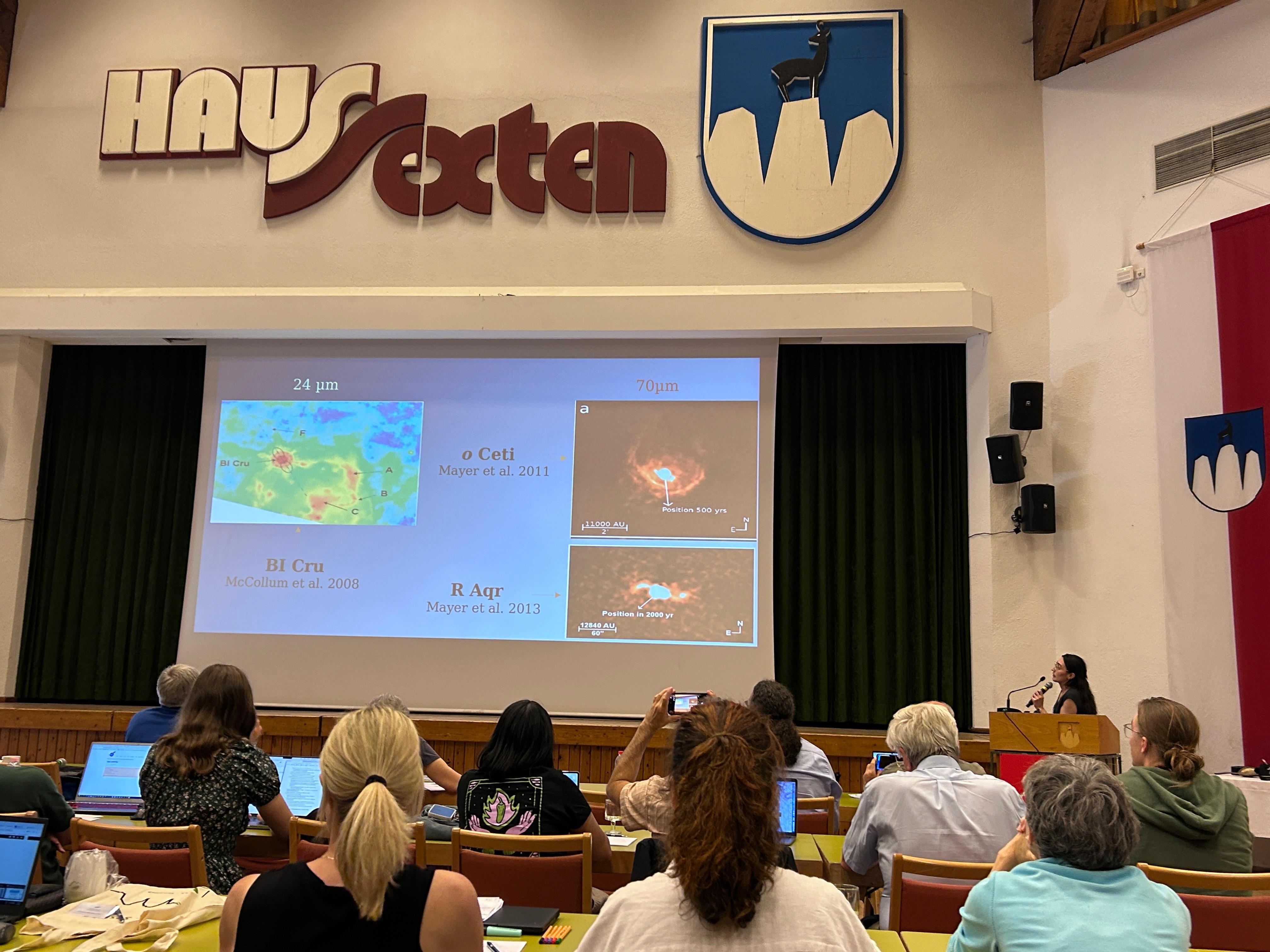
Havva Bostan - Observations and Theory of Classical Nova Transients Conference
I had the pleasure of attending the Observations and Theory of Classical Nova Transients Conference, held in Sexten, Italy, from 29th June to 3rd July 2026, where I presented my ongoing work on the infrared nebulae around symbiotic binaries. The conference brought together researchers from very different international institutions working on novae (the progenitor, the outburst, the recovery from the event, the environment, the remnant, and the chemical enrichment) and related topics like molecular observations of nova remnants, among others. It was organized as a follow-up to the previous Nova conference held 13 years ago, making it a unique opportunity to meet many of the leading experts in the field. During the conference, I had the opportunity to discuss my research with other participants and receive valuable feedback on my work. I also exchanged ideas on possible directions for future research, while the conference provided an excellent environment for networking and building new scientific connections.
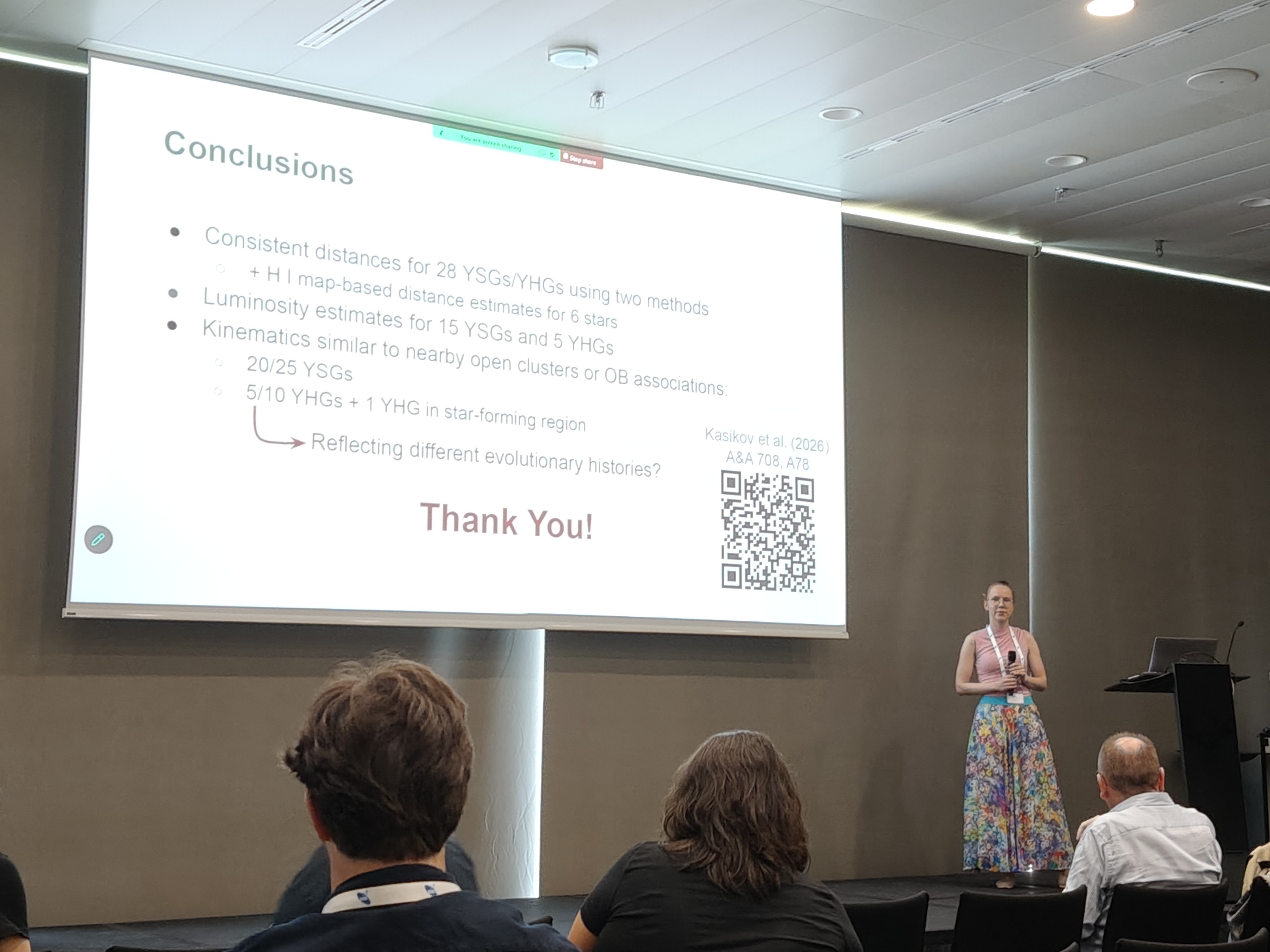
Anni Kasikov - European Astronomical Society Annual Meeting
I was very happy to present my research at the European Astronomical Society (EAS) Annual Meeting (29th June - 3rd July 2026) in Lausanne, Switzerland, during the session on the evolution of massive stars. My talk focused on the environments of yellow supergiants, their membership in star clusters and stellar associations, and my ongoing research into their dusty circumstellar envelopes. These environments provide important clues to the evolutionary history of massive stars and the link between the blue and red supergiant phases. I had valuable discussions with researchers and experts in the field and found several promising collaborations, particularly on using infrared spectroscopy to study the chemistry of the material ejected by massive stars. Additionally, I attended very interested sessions on Gaia, the Very Large Telescope Interferometer (VLTI), and upcoming surveys with the Roman Space Telescope, 4MOST, and WEAVE, to learn about their datasets and tools that will support my future research. Thanks to NanoSpace for supporting my attendance to this inspiring meeting!
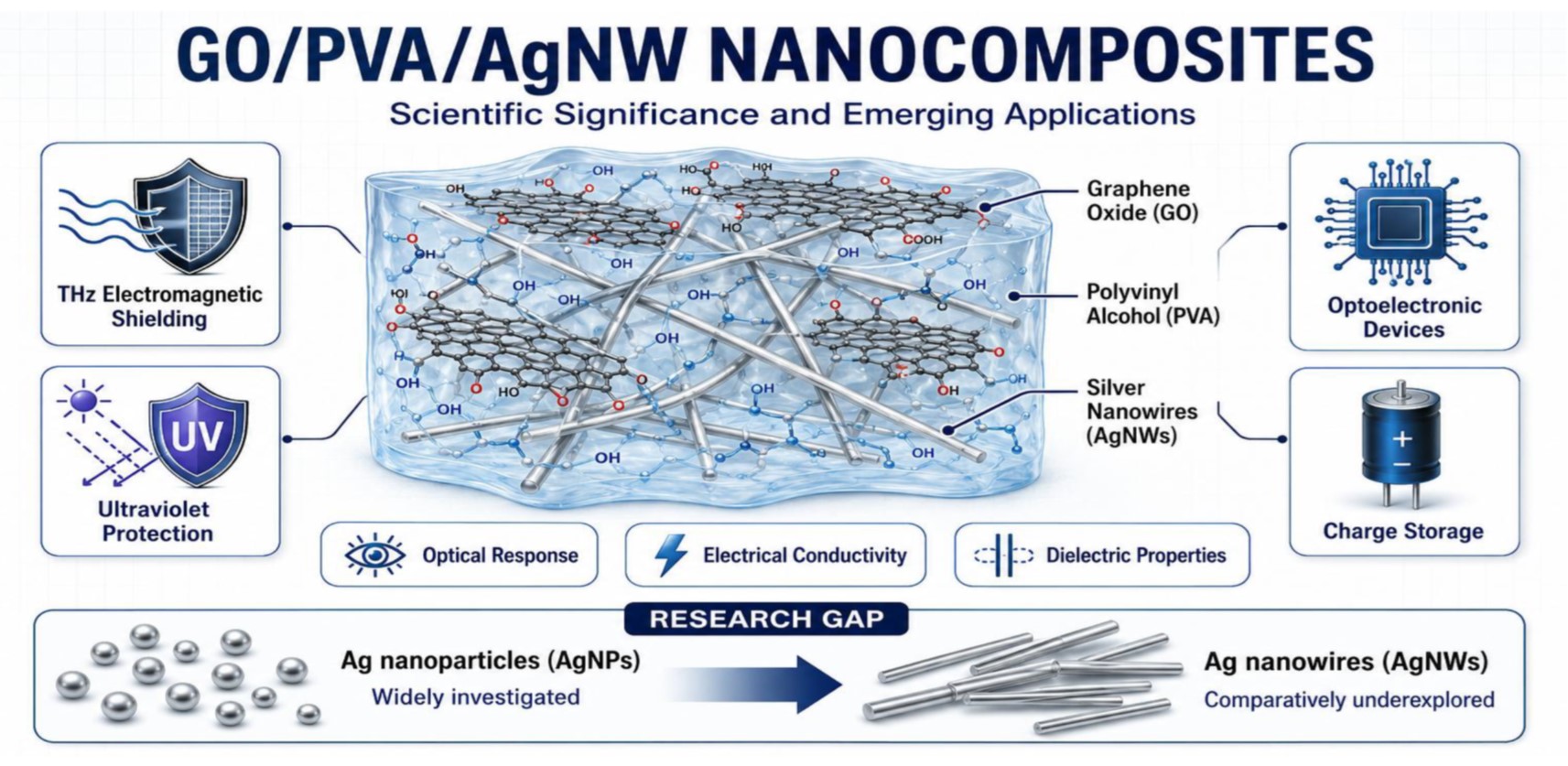
Mahammad Baghir Baghirov - 20th Nanoscience and Nanotechnology Conference
With support from a NanoSpace ITC Conference Grant, Mahammad Baghir Baghirov (Baku State University, Azerbaijan) attended the 20th International Nanoscience and Nanotechnology Conference (NanoTR-20) at İzmir Institute of Technology, Türkiye. He presented his work on graphene oxide (GO)-based nanocomposites, carbon nanomaterials central to NanoSpace's own interest in nanostructured carbon, reporting on GO-PVA-AgNW composites and their dielectric behaviour across a wide frequency and temperature range. The presentation, attended by more than 50 participants, generated lively discussion on synthesis, filler homogeneity, and conduction mechanisms, and led to a new collaboration on PVA-based nanocomposites, with plans for joint research and publications.
Dilara Ickecan - NanoteC26
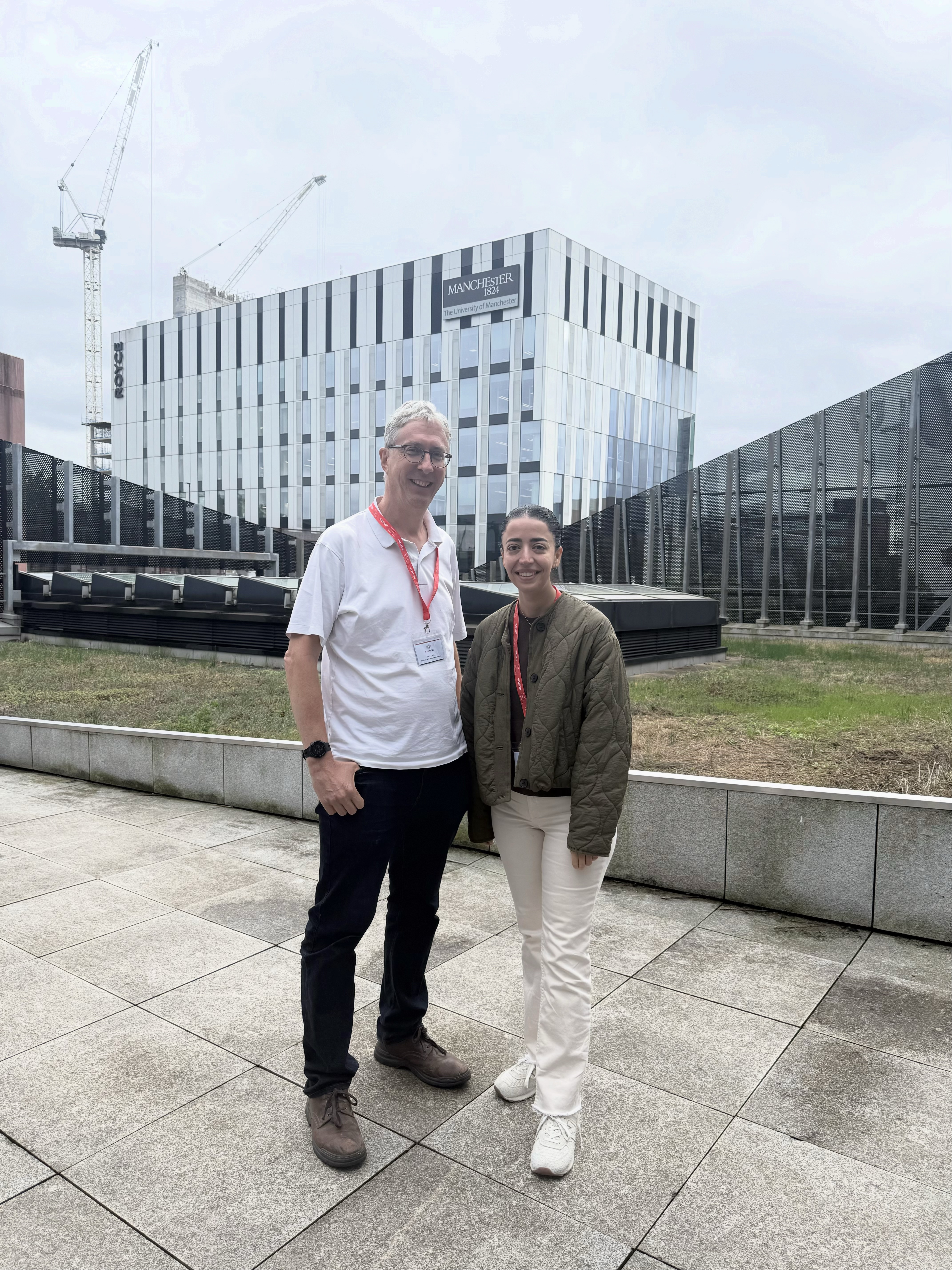
I had the pleasure of attending NanoteC26, where I presented my recent work entitled “Local Atomic Environments to Phonons: Machine Learning Potentials for Low-Dimensional Carbon Nanostructures.” My presentation focused on the development of machine-learning interatomic potentials for low-dimensional and curved sp² carbon structures, with particular emphasis on their transferability and their use in predicting structural, energetic, mechanical, and vibrational properties. The conference brought together researchers working on graphene, carbon nanostructures, computational materials science, and related topics, providing a valuable environment for scientific exchange. During the conference, I had the opportunity to discuss my research with other participants and receive useful feedback on the applicability and reliability of machine-learning approaches for carbon materials. I also exchanged ideas on possible directions for future research and established new scientific connections that may lead to future collaborations within the NanoSpace network and beyond. I am grateful to the NanoSpace ITC Conference Grant for supporting my participation in NanoteC26 and for providing this valuable opportunity for scientific exchange and networking.