
Funded YRI Conference Grants
Reports 3rd year YRI Conference Grants NanoSpace call: 01/11/2024 - 31/10/2025
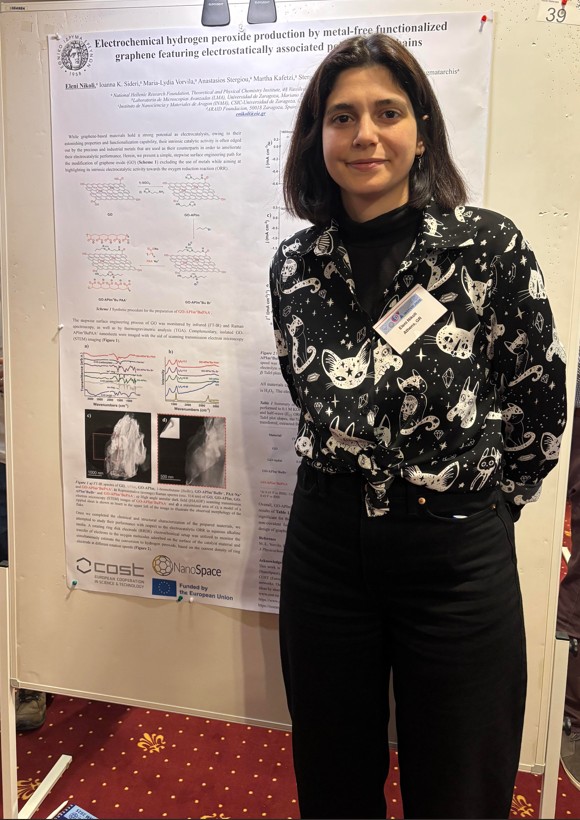
Eleni Nikoli - International Winterschool Conference on Electronic Properties of Novel Materials (IWEPNM2025)
Attending the 40th International Winterschool on Electronic Properties of Novel Materials (IWEPNM2025) was an invaluable opportunity to present my research on the chemical functionalization of graphene. The conference provided a dynamic platform for scientific exchange, where I received insightful feedback on my work and engaged in stimulating discussions with leading experts in 2D materials. The extended poster sessions, in particular, fostered in-depth conversations with researchers from various institutions, leading to potential future collaborations. Beyond networking, the breadth of knowledge I gained across different aspects of materials science exceeded my expectations, broadening my perspective on the field. I am grateful for the support provided by the NanoSpace YRI Conference Grant, which made my participation in this inspiring conference possible.
Piero Ferrari - Dynamics of Electrons in Atomic and Molecular Nanoclusters (DEAMN2025)
During the DEAMN2025 meeting in the old town of Erice in Sicily (Italy), I presented recent work on the use of gas-phase infrared spectroscopy in combination with astronomical observations to identify molecules in the interstellar medium, as well as their chemical interactions and dynamics. The meeting was highly rewarding, providing a very dynamic atmosphere where researchers in the fields of cluster science, molecular beam spectroscopy and astrochemistry could share their views on new directions of research. In particular, my talk titled “Far-infrared spectroscopy of gas-phase neutral molecules for astrochemistry research” lead to interesting discussions and initiated new collaborations focusing on the spectroscopy of sulfur-oxide clusters in space and the dynamics of PAHs in interstellar ices. I am grateful for the support provided by NanoSpace, which allowed me to participate in this interesting conference.
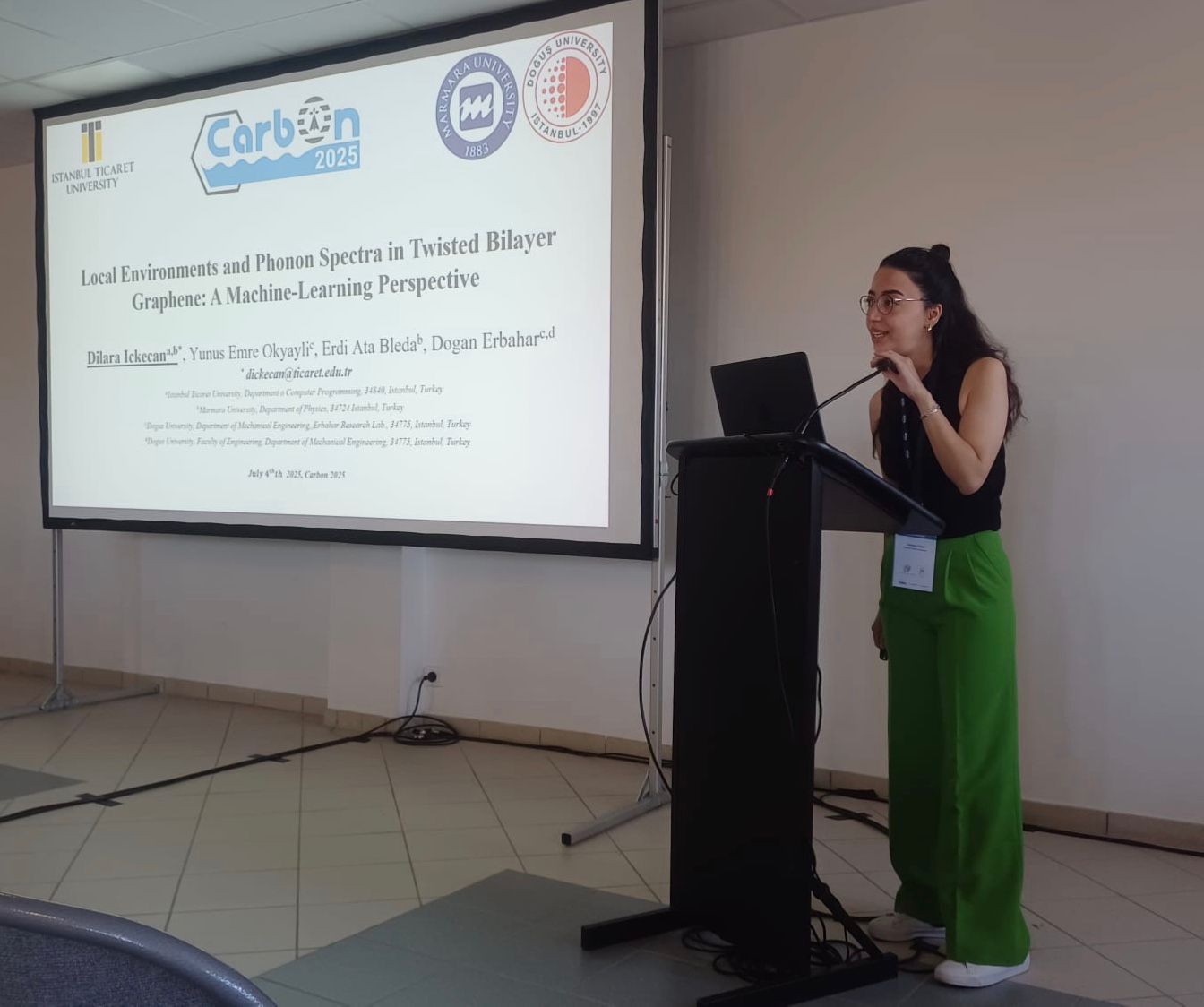
Dilara Ickecan - The World Conference on Carbon (Carbon2025)
Attending Carbon2025 significantly enhanced my visibility within the international carbon materials community. My talk, “Local environments and phonon spectra in twisted bilayer graphene: a machine-learning perspective,” attracted strong interest from researchers working on graphene and related 2D materials. The conference provided a dynamic platform for scientific exchange, where I received valuable feedback and engaged in-depth discussions with researchers interested in machine-learning approaches for 2D materials. My participation in Carbon2025 enhanced my research visibility, expanded my professional network to explore potential collaborations on machine-learning-assisted 2D materials research, and opened opportunities for future joint publications within the NanoSpace network and beyond. I am grateful to the NanoSpace YRI Conference Grant program for supporting my participation in this inspiring conference.
Ko-Ju Chuang - European Conference on Surface Science (ECOSS 38): Surface Science of Astrochemical Systems
At the ECOSS 38 meeting in Braga (Portugal), I delivered an invited keynote presentation in the astrochemistry focus session, where I introduced the role of interfacial chemistry between interstellar water ice and carbonaceous dust grains to an audience of lab astrophysicists and surface scientists. I shared a series of studies on the reactivity of carbon grains under energetic photon processing, from UV to X-rays, connecting fundamental research at a large synchrotron facility to addressing astronomically relevant questions. The talk, which also highlighted collaborative work within the NanoSpace network, sparked engaging discussions on the catalytic role of dust grains and their astrochemical implications, leading to potential new collaborations. I am grateful for the support provided by NanoSpace, which made my participation in this inspiring conference possible.
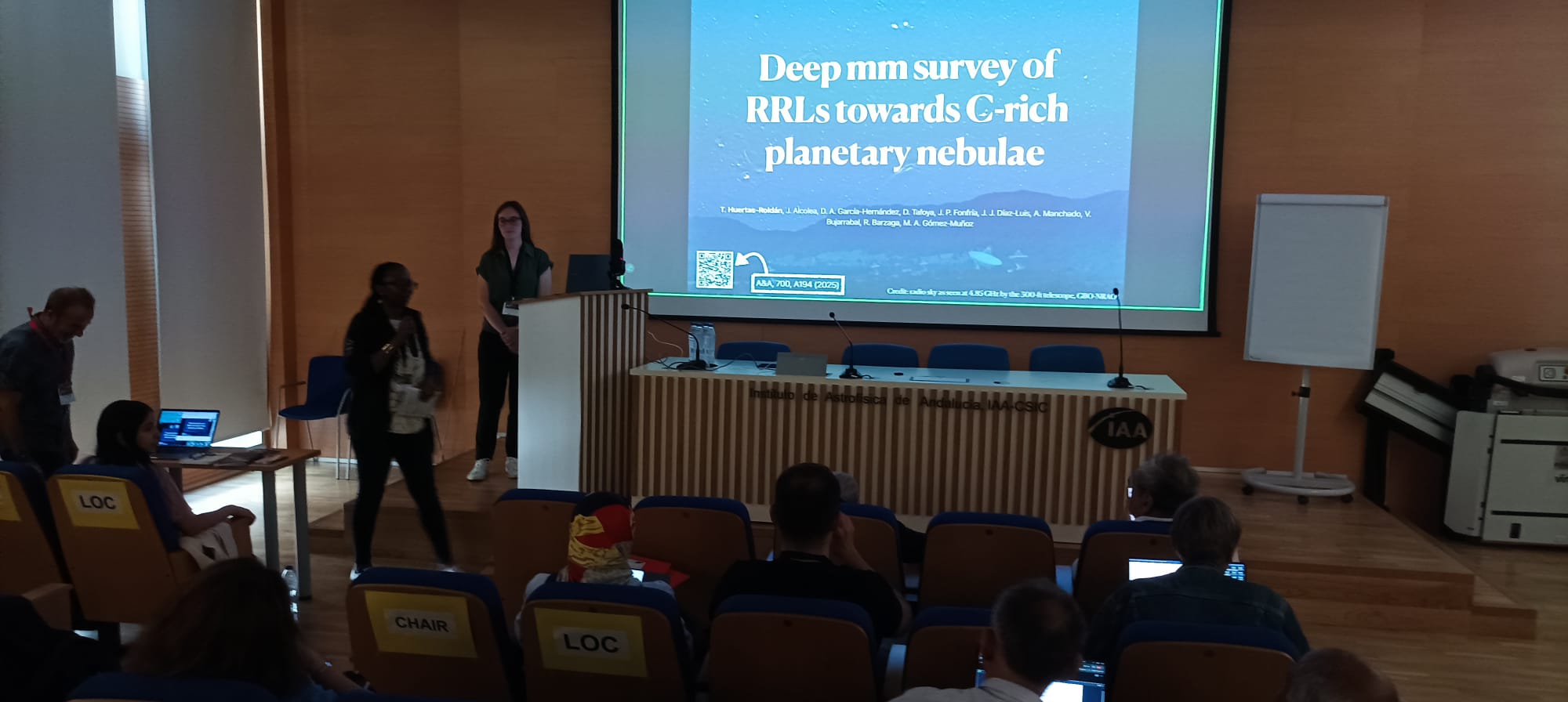
Teresa Huertas Roldán - Asymmetrical Post-main-sequence Nebulae 9: The art of stellar wind sculpting
My attendance to the “Asymmetrical Post-main-sequence Nebulae 9 – The art of stellar wind sculpting” (APN9) Conference in Granada (Spain) significantly improved the visibility of my recent work on C-rich planetary nebulae (PNe). The presentation catched the attention of the audience, all international specialists on evolved stars and PNe, and we had very interesting discussions. I had the opportunity to get in contact with senior researchers and to establish the basis of some future collaborations. I am very grateful to NanoSpace for supporting my participation in the conference with this YRI Conference Grant.
Reports 4th YRI Conference Grants NanoSpace call: 01/11/2025 - 26/10/2026
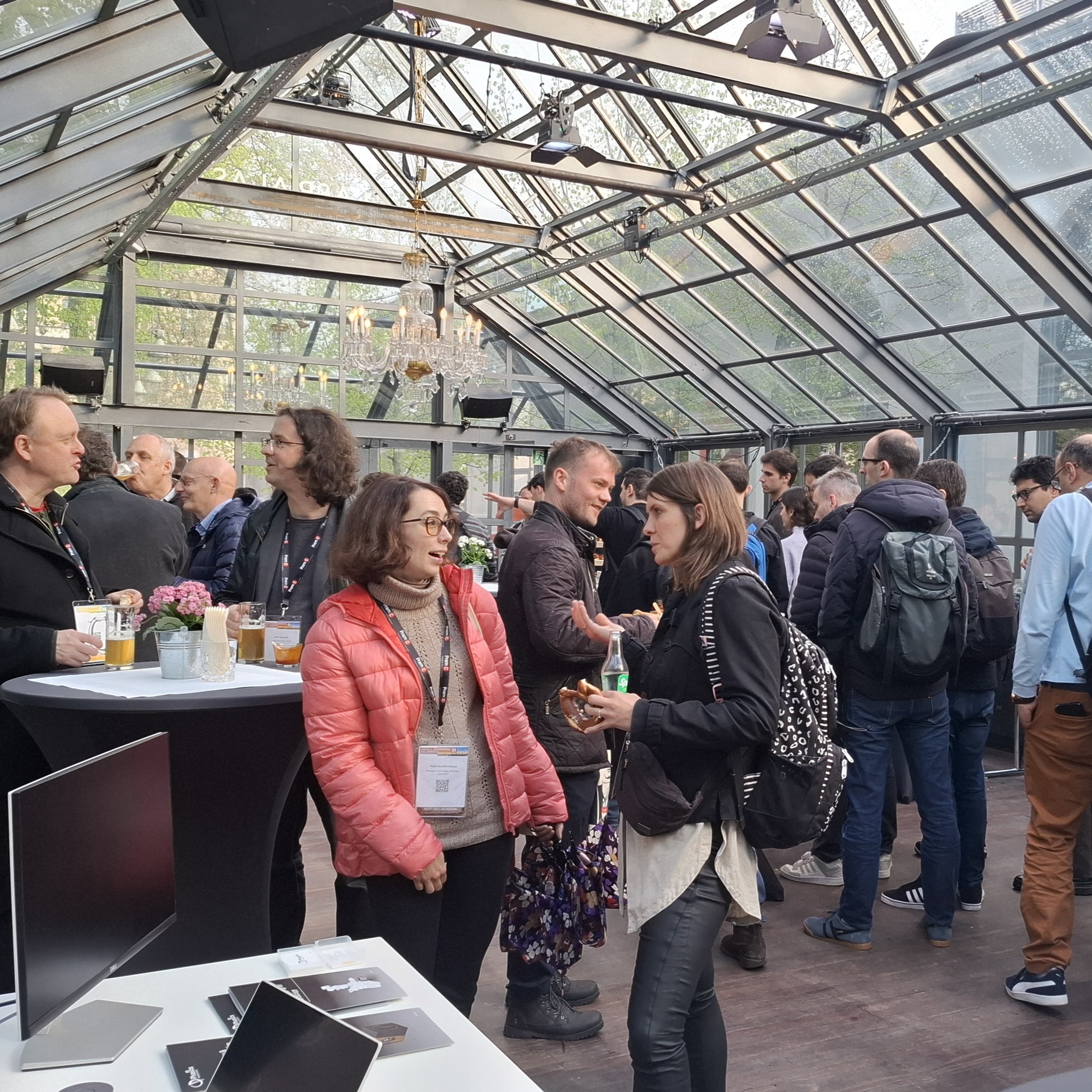
Daria Szewczyk - Nanoscale and Microscale Heat Transfer IX International Conference
My presentation at the Nanoscale and Microscale Heat Transfer IX International Conference in Berlin (Germany) significantly strengthened my visibility as an emerging expert in nanoscale and microscale heat transfer. Sharing my work on “Microscale Heat Transfer and Flexural Phonon Dynamics in Expanded Graphite–MWCNT Composites” with a highly specialized audience enhanced recognition of the research and sparked engaged scientific discussions. The talk facilitated valuable professional exchanges, including the renewal of a long‑standing connection with Prof. Jay Amrit, leading to plans for a joint proposal submission. It also opened new collaboration pathways within Humboldt University of Berlin and another one with researchers from the Universidad Autónoma de Barcelona. Overall, the conference broadened my international network, increased the visibility of my research profile, and generated concrete opportunities for future collaborative projects.
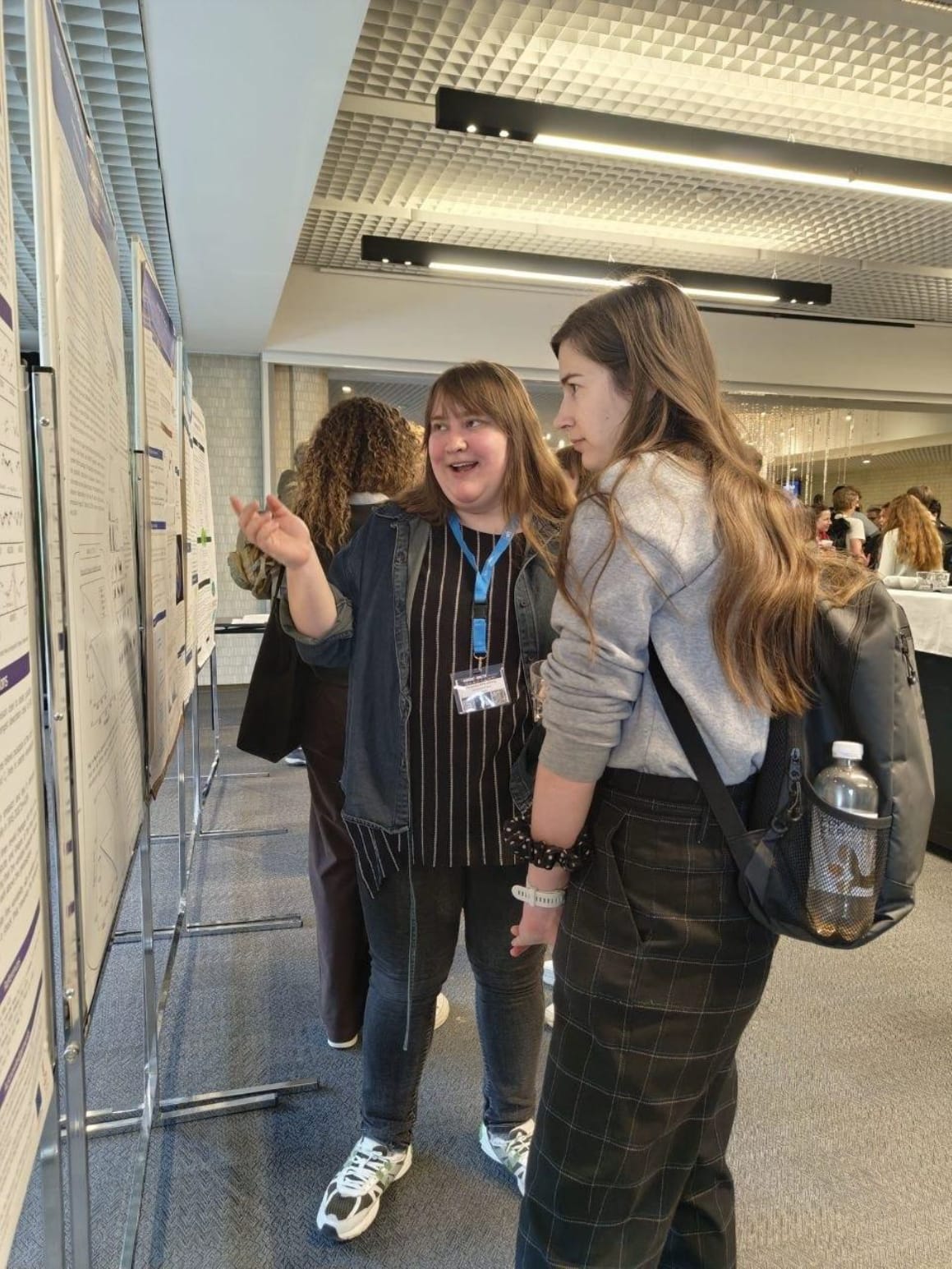
Veronika Mitrokhina - Nordic-Baltic Astronomy Days 2026
With support from a NanoSpace COST Action Young Researcher and Innovator (YRI) Conference Grant, Veronika Mitrokhina (Tartu Observatory, Estonia) attended the Nordic-Baltic Astronomy Days 2026 (Turku, Finland), where she presented her research on the detectability of deuterium around stars, through both a poster and a short poster talk. Her contribution is relevant to understand the formation of deuterated nanocarbons in space, and sparked interest among researchers from diverse areas of astrophysics and astrochemistry, fostering engaging scientific discussions and valuable feedback. The conference provided an excellent platform to exchange ideas, expand professional networks, and explore connections between different research fields. Several conversations initiated during the event are expected to continue beyond the conference, creating opportunities for future collaborations and supporting Veronika's career development within the astrophysics and astrochemistry communities.
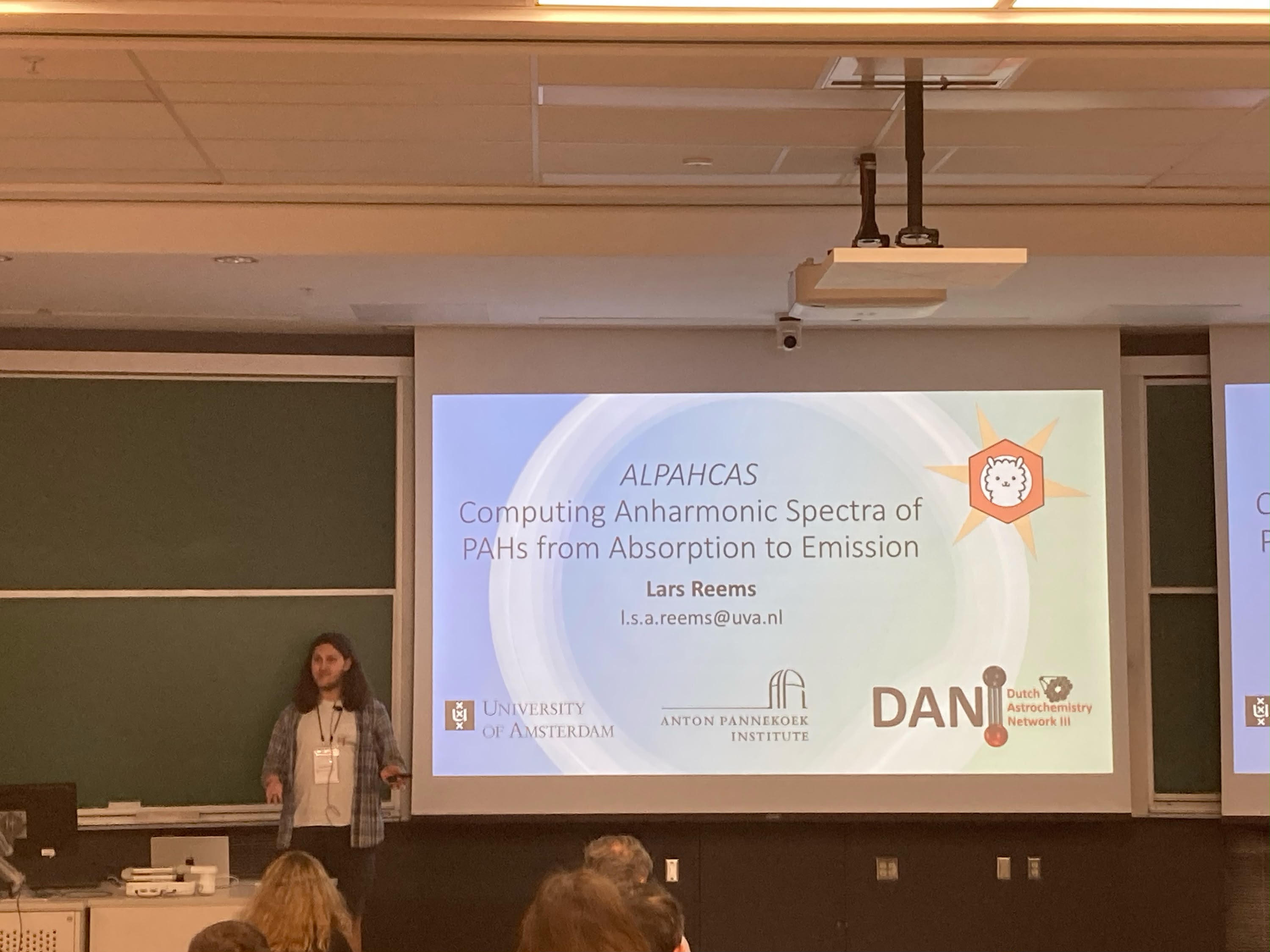
Lars Reems - Exploring the aromatic universe in the JWST era
It was amazing to attend the conference on “Exploring the aromatic universe in the JWST era” at Western University in London, Ontario (Canada). I presented my work with title “ALPAHCAS: Computing Anharmonic Spectra of PAHs from Absorption to Emission”, focusing mostly on the recently developed code ALPAHCAS and its most important results. During the conference I met a lot of people that I either hadn't seen in a while or have never met before, and I learned a lot from the various intriguing talks and posters. I was able to make myself and my work more visible in the PAH community worldwide, engaged in many interesting scientific discussions, and potentially established multiple future collaborations. I am grateful for the support provided by the NanoSpace YRI Conference Grant allowing me to attend this key conference that inspired me in both my current and future research.
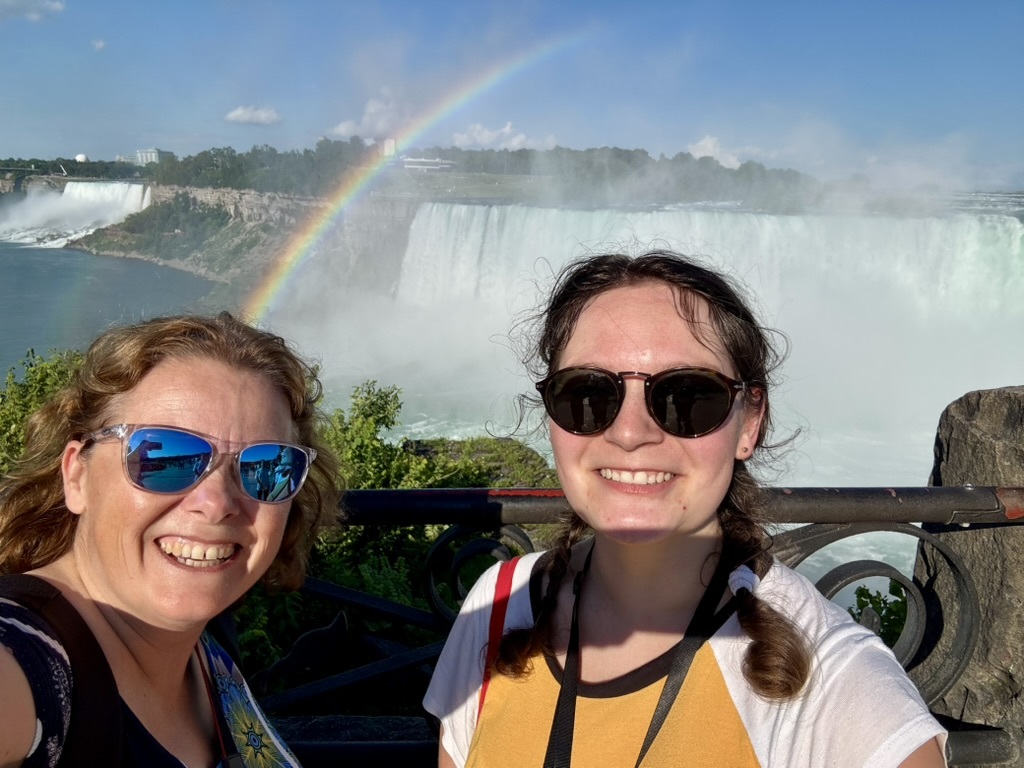
Maëva Louis - Exploring the aromatic universe in the JWST era
Attending the conference “Exploring the aromatic universe in the JWST era” in London (Ontario, Canada) was highly valuable for me, coming from the University of Amsterdam (Netherlands). I had the opportunity to present my poster titled “Substituted PAHs in space: a laboratory study of the electronic signatures of oxanthrene and thianthrene” during the two poster sessions, and more informally during the coffee breaks. This led to a lot of scientific discussions, with people from PhD level to full professor, enabling potential future collaboration, increasing my visibility as a researcher and inspiring future work. I am very grateful to COST Action NanoSpace for supporting my attendance at this conference with this YRI Conference Grant.
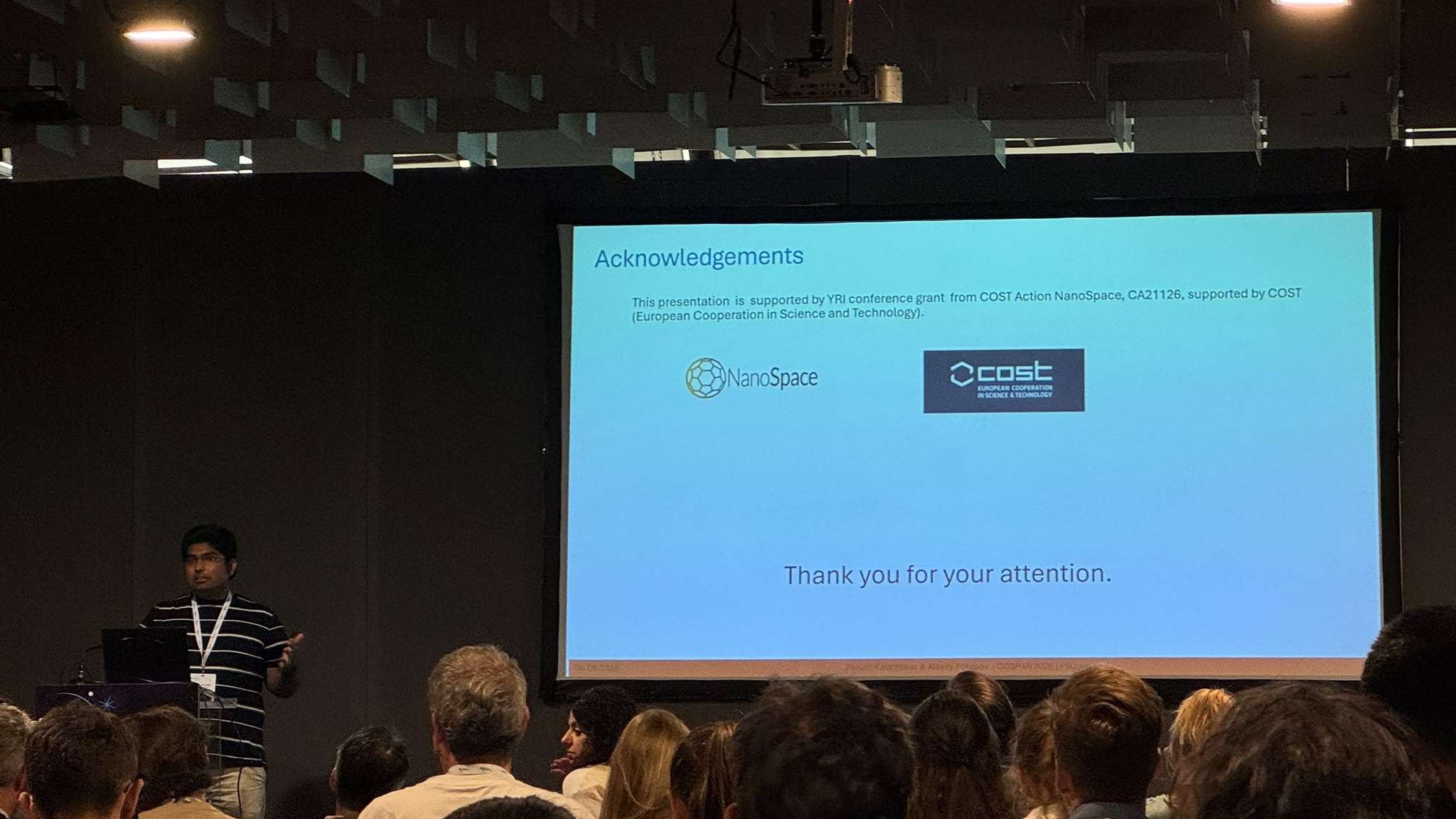
Piyush Kalambkar - 46th COSPAR Scientific Assembly (COSPAR 2026)
Participating in COSPAR 2026 in Florence (Italy), gave me the opportunity to present our recent laboratory work on diffusion-driven chemistry on interstellar dust analogues to an international space-science audience. My talk focused on the formation of ammonium carbamate through the diffusion and reaction of NH3 and CO2 in porous carbon dust, and on how reactant abundance, deposition geometry, and water influence the reaction. The conference provided an excellent opportunity to discuss these results with researchers working in astrochemistry, laboratory astrophysics, and related fields. The questions and feedback I received helped me view several aspects of the experiments from new perspectives and generated useful ideas for the continuation of my PhD research. I also had valuable discussions with researchers from different international institutions, which helped expand my professional network and may support future scientific collaborations. I am very grateful to the NanoSpace YRI Conference Grant for supporting my participation in COSPAR 2026.
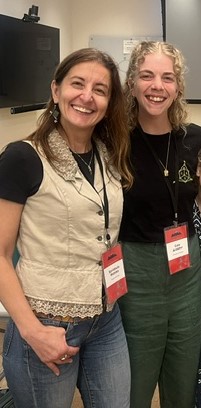
Cate Anstöter - Telluride Workshop "Advances in theory of electronic resonances"
This YRI Conference Grant enabled Cate Anstöter, a new group leader at the University of Glasgow (UK), to attend the Telluride Workshop on Electronic Resonances (Colorado, USA). She presented her group's work on metastable molecular anions and resonance states of astrochemically relevant species to an audience of leading researchers in the field, sparking productive discussions that strengthened her existing collaboration with Thomas Jagau and established a promising new one with Ken Jordan on work related to anthracene. The workshop also helped raise awareness of the growing connections between electronic resonances and astrochemistry, and gave Anstöter valuable visibility and new collaboration opportunities at this early stage of her independent career.
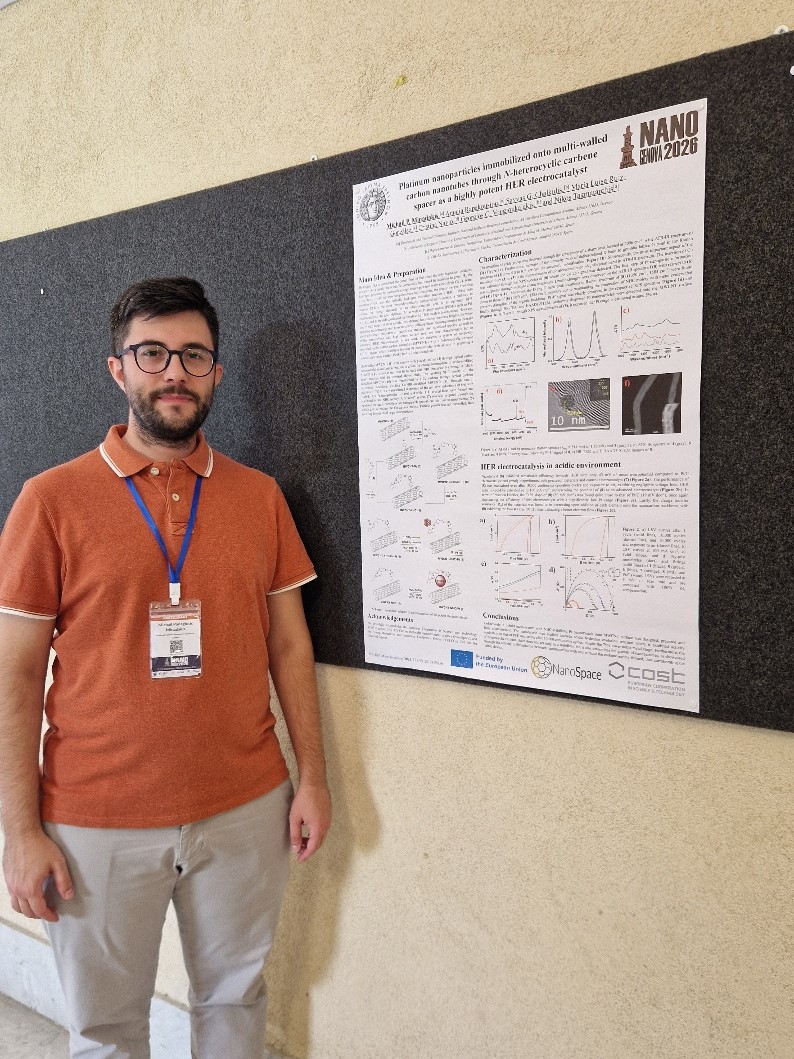
Michail Panagiotis Minadakis - NANO 2026
Michail Panagiotis Minadakis (National Hellenic Research Foundation, Greece) attended NANO 2026 (18th Edition), which took place in Genova (Italy). The conference was a great opportunity to present a recent work of his research team, focusing on the electrocatalytic activity of platinum nanoparticles immobilized onto MWCNTs through N-heterocyclic carbene linker chains towards hydrogen evolution reaction. The work was featured as a poster presentation and captured the interest of both specialists in the field of nanocarbons and researchers from relevant fields, leading to inspiring discussions. Since this study explores the role of nanocarbons in fundamental procedures, it could act as a starting point that could help observe such nanostructures in outer space. Overall, this conference enabled him to interact with highly impactful works as well as share his work, increase the visibility of his research profile and create opportunities for future collaborations.
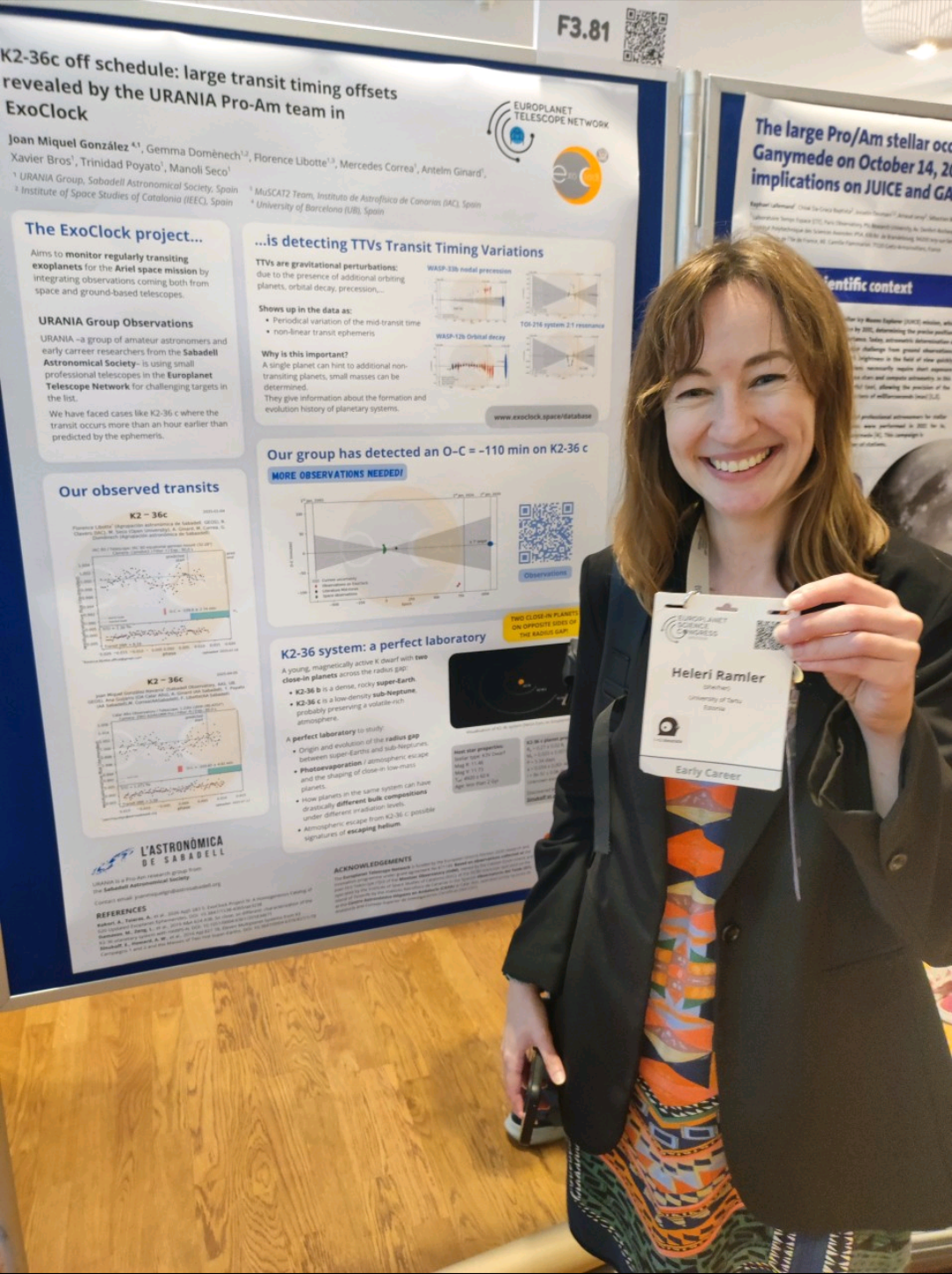
Heleri Ramler - Europlanet Science Congress 2026
I, Heleri Ramler (Tartu Univ., Estonia), participated in the Europlanet Science Congress (EPSC) 2026 in The Hague (Netherlands), where I presented the fundamental parameters of 18 hot stars in the Ariel mission candidate sample and chaired the session “Star-Planet-Disc Connections.” The conference proved especially valuable for my ongoing work on chemical abundances: several talks linked stellar composition, Galactic chemical evolution, carbon chemistry, planet formation, and atmospheric evolution, helping me situate my own research within a broader astrochemical context. I am now extending my analysis to include chemical abundances, including carbon, and plan to combine these results with Gaia kinematics to investigate the chemical environments and Galactic populations of the host planetary systems. EPSC also allowed me to establish new contacts with researchers in stellar analysis, exoplanet atmospheres, machine learning, and laboratory astrophysics, opening the door to future interdisciplinary collaborations.
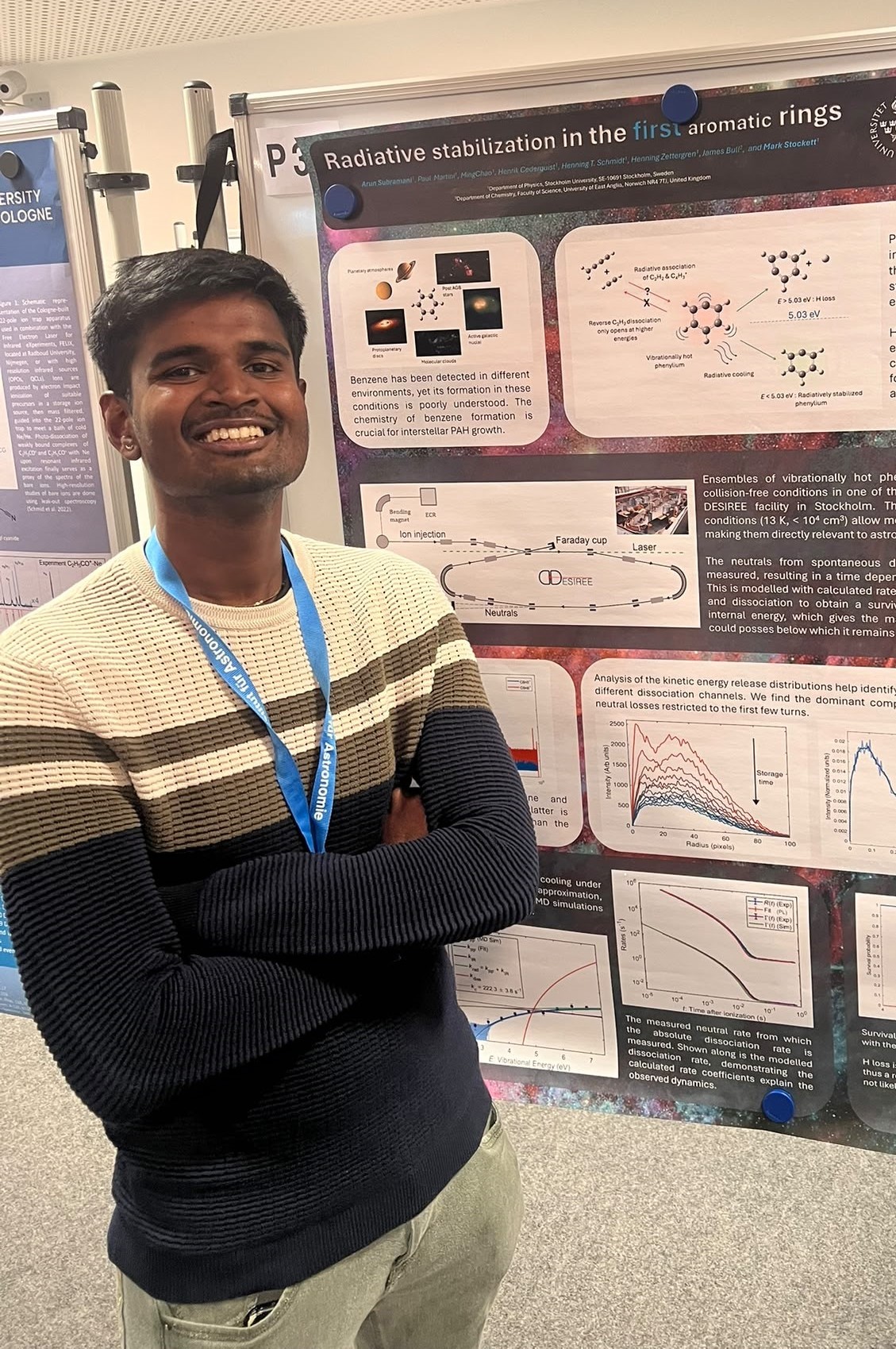
Arun Subramani - ECLA 2026, “Exploring the Cold Universe”
Arun Subramani, PhD student from Stockholm University (Sweden), attended European Conference on Laboratory Astrophysics, ECLA 2026 “Exploring the Cold Universe” in Heidelberg (Germany). He presented his latest experimental results from the cryogenic DESIREE facility on benzene and phenyl monocations through a poster presentation entitled “Radiative stabilization of the first aromatic rings”. Via this poster presentation, he was able to highlight the importance of radiative cooling processes such as recurrent fluorescence in both the formation and destruction of gas phase carbonaceous matter in different astrophysical environments. He also gained valuable visibility as a Young Researcher and participated in several scientific discussions with the different experts present in this important laboratory astrochemistry conference. He gratefully acknowledges the support provided by the YRI CG program of the Nanospace COST action.
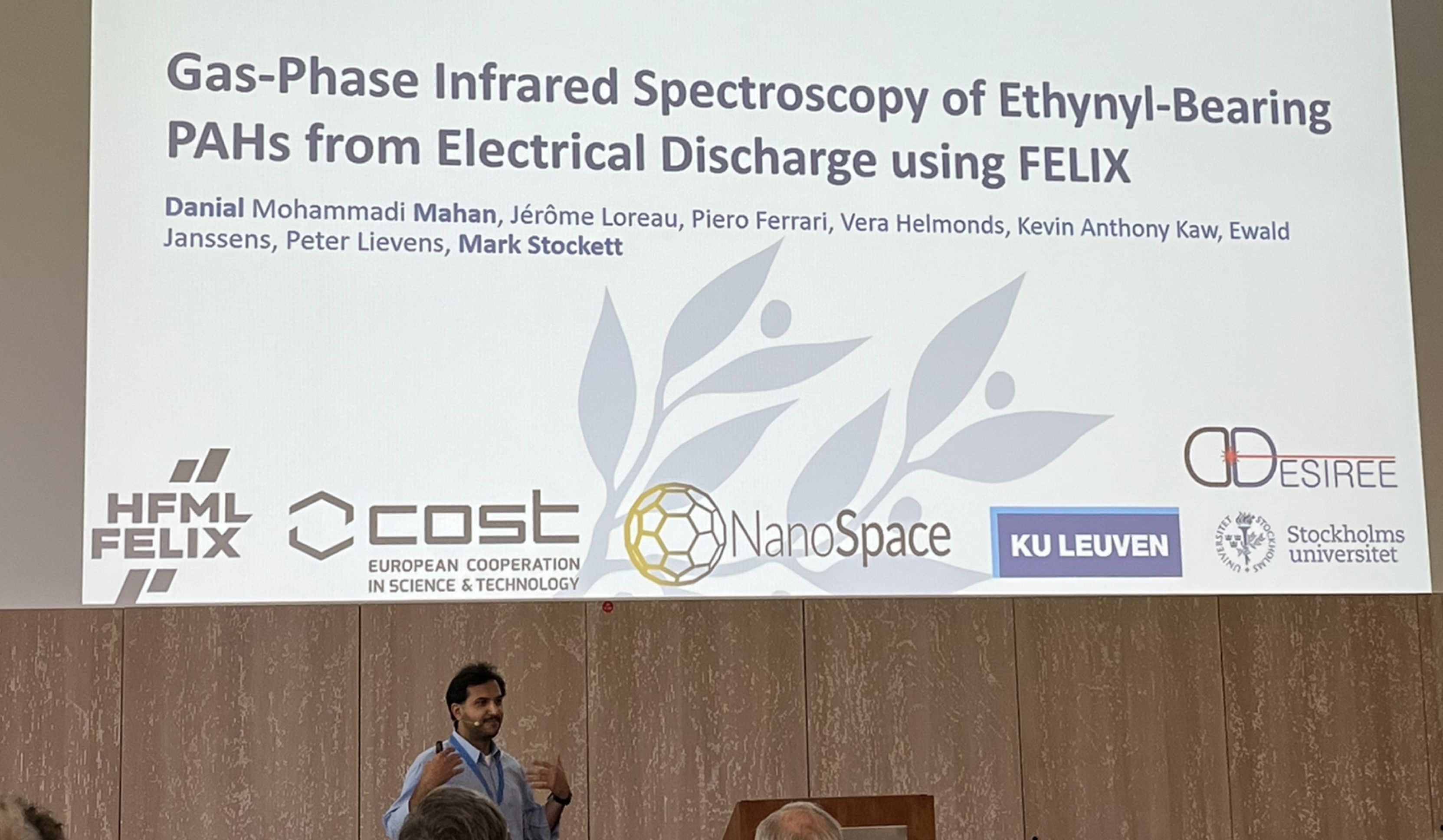
Danial Mohammadi Mahan - ECLA 2026, “Exploring the Cold Universe”
Small aromatic molecules carrying an ethynyl (–C≡CH) group are being found in cold interstellar clouds like TMC-1. However, identifying them requires reliable laboratory spectra, and understanding their abundance requires knowing the chemical pathways that form them. At the European Conference on Laboratory Astrophysics (ECLA 2026, Heidelberg, 21-25 September 2026), Danial Mohammadi (Stockholm University, Sweden) presented laboratory infrared spectra of such species measured with the free-electron laser FELIX at Radboud University (Netherlands). In the experiment, an electrical discharge breaks precursor molecules into reactive fragments, which recombine into larger aromatic products. Each product is then isolated by mass and fingerprinted by its infrared absorption. The measurements were made during a NanoSpace Short-Term Scientific Mission (STSM), and the YRI Conference Grant, the last to be awarded under the Action, brought the results to the European laboratory astrophysics community, fittingly closing out NanoSpace's mobility programme. A paper is in preparation.