
Funded STSMs
Reports 1st year STSM NanoSpace call: 01/11/2022 - 31/10/2023
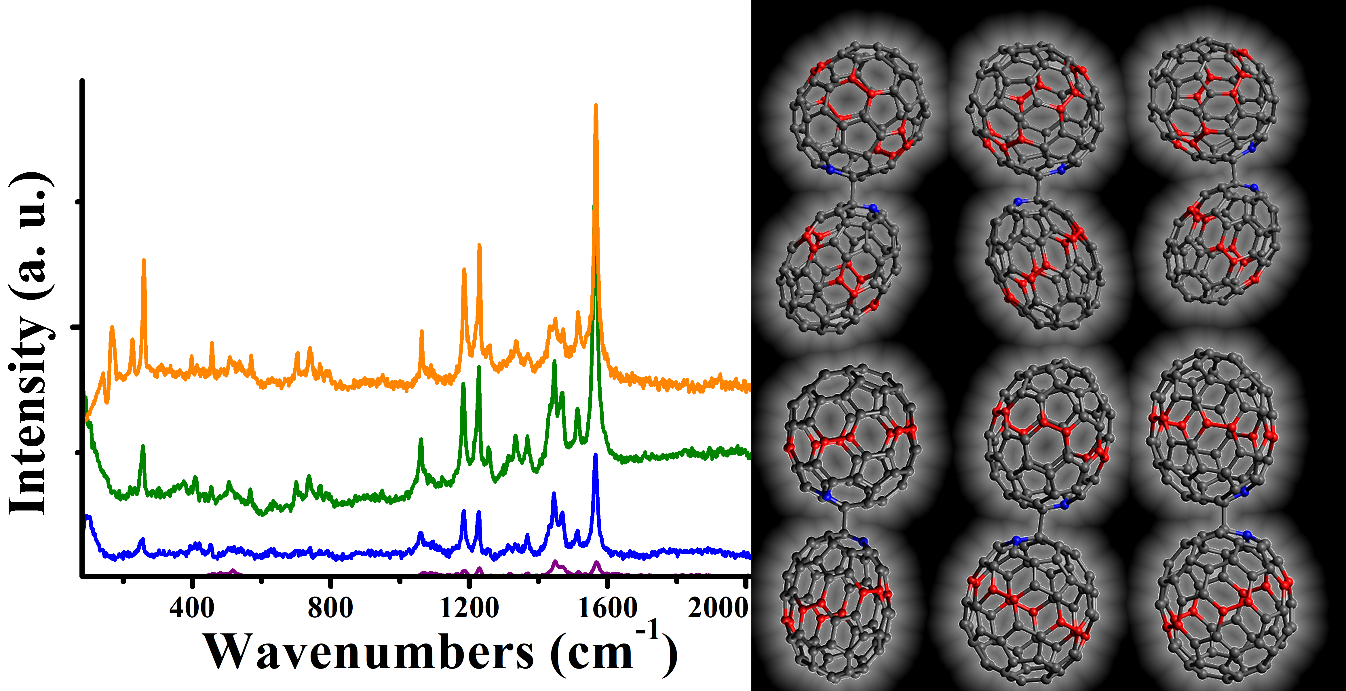
Rubén Canton Vitoria - Spectroscopic characterization of (C69N)2 isomers
In this collaborative work between the Theoretical and Physical Chemistry Institute in Greece and the University of Vienna in Austria, Rubén Cantón Vitoria characterized the spectroscopic properties of (C69N)2 isomers under different temperatures, light frequencies, and intensities, simulating space conditions. The fellowship's objective was successfully achieved, obtaining a unique fingerprint of (C69N)2 and providing a technique for its characterization in space. Currently, he is establishing connections with theoretical experts within our organization to analyze the spectroscopic nature of each isomer and will present the results at the Nanotec23 conference in August.
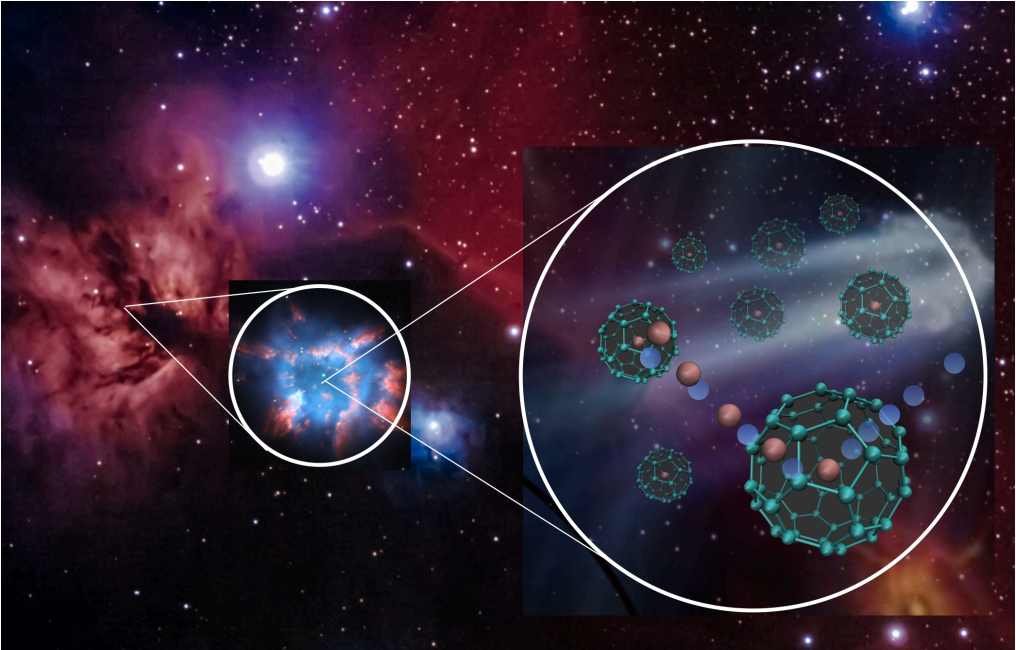
Andrea Lombardi - Endohedral fullerenes as reacting sites for the chemistry of space
The activities carried out at the Edinburgh Chemistry Department, promoted by the COST action “Nanospace” have been devoted to set up a theoretical and computational model of prototypical X@C60 systems, to investigate the possible role of endohedral fullerenes as reactive sites for astrochemical reactions. The prototypical systems H + C60 and H + H@C60 have been studied, building up a force field and simulating collision dynamics. This preliminary model, after further refinements, will serve to assist the designing of possible experiments to prove elementary reactions taking place inside C60 in gas phase.
Frieder Koch - Experimental exchange on cosmic radiation simulation
In a short-term scientific mission, researchers from GSI in Darmstadt, Germany and GANIL as well as University Paris-Saclay, France met at the IRRSUD beamline of GANIL in Caen, France, to do laboratory experiments on the behavior of several Nanocarbon species found in space. When combined with the IGLIAS setup, the IRRSUD beamline, providing a beam of Fe ions for this experiment, is ideally suited to study the effects of cosmic radiation on Nanocarbons. A sample layer, in this case polyaromatic hydrocarbons, found e.g. in interstellar clouds, is deposited in situ on a transparent window at a temperature of 10 K. This sample is exposed to the ion beam and during irradiation, FT-IR spectroscopy combined with mass spectrometry track both sputtering and radiolysis of the sample. This provides valuable input about the lifetime of complex molecules in space to astrochemical models.

David Gobrecht - Kinetic silicon carbide cluster nucleation
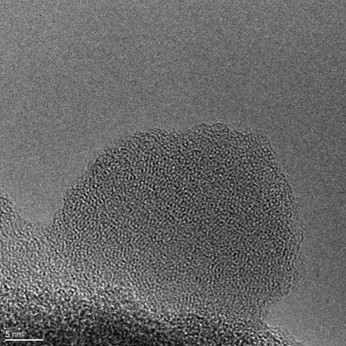
Michail Panagiotis Minadakis - TEM imaging of nanocarbons bearing metal carbene-based moieties
My STSM in the frame of the COST Action NanoSpace took place in Zaragoza, Spain, at the Laboratorio de Microscopias Avanzadas of the Instituto de Nanociencia y Materiales de Aragón, under the supervision of Dr. Raul Arenal (local supervisor) and Dr. Nikos Tagmatarchis (PhD supervisor). During my stay, I was trained in the principles of advanced microscopy (HAADF-HRTEM, STEM,) and spectroscopy (EDS, XPS, EELS) techniques. We studied intriguing carbon-based samples to gather information that could assist in uncovering mysteries of these species’ behaviour in outer space. I feel grateful for this opportunity to dive into this so far unknown “world” and get to meet a known expert in this field. The chance to visit this institute and explore a different side of science, further away from my field of study, was truly inspiring and I hope to travel to such magnificent places again!
Fatima Bouanis - Functional nanomaterials for selective gas sensors
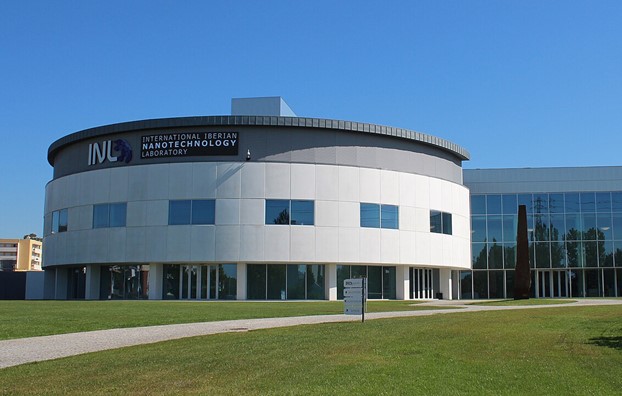
During this STSM, Dr. Fatima Bouanis visited the International Iberian Nanotechnology Laboratory (INL), precisely the group 2D Materials supervised by Prof. Pedro Alpuim. This group is renowned for its mastery in the synthesis of materials for electronics applications. The objective of this visit was to strengthen the collaboration between INL, IMSE-UGE and LPICM-Ecole Polytechnique for the development of new generation of gas sensors based on functional nanomaterials. In this subject, the group 2D Materials-INL studies the synthesis of new 2D materials by both physical (chemical vapor deposition (CVD)) and chemical (liquid phase exfoliation (LPE)) approaches, while the LPICM&IMSE groups focus on the characterization of these materials using several microscopic and spectroscopic methods as well as the evaluation of their electrical performances in different environments for developing new generation of gas sensors. The visit has permitted to share some experiences with group 2D materials researchers’ (essential to make progress), to visit the new equipment developed by INL researchers and to discuss the future projects that will be developed between the three labs.
Lucio Crivellari - Novel algorithms to compute the structure of the outer layers of AGB stars
During this STSM, Dr. L. Crivellari (Instituto de Astrofísica de Canarias, IAC) and Dr. S. Cristallo (INAF-Osservatorio Astronomico d’Abruzzo, OAAb) went along a collaborative project focused on the modelization of the cool expanding outer layers of asymptotic giant branch (AGB) stars. A Lagrangian 1D code to model the physics and chemistry of these layers was originally developed by Cristallo and co-workers but such code adopts the same assumptions and simplifications introduced by Bowen in the eighties. In particular, the treatment of radiative transfer (RT) is quite rough and the determination of the radiative equilibrium temperature, essential to determine the change of internal energy brought about by periodic outward-moving shocks, is calculated by using the Eddington approximation for a gray plane-parallel atmosphere. In order to get rid of these shortcomings they wrote a new code that solves the set of RT monochromatic equations in spherical geometry and computes the structure of the stellar atmosphere by means of a sequential iterative procedure. The main achievement of this working stay has been the conversion of such a code into the TEIDE routine, which has been successfully implemented into VULCAN. The preliminary results obtained by running the up-to-date version of VULCAN are very satisfactory.
Dogan Erbahar - Catalytic formation of molecules on the surface of cosmic dust grains: A carbon + water + UV case
The STSM granted by NanoSpace to Prof. Dogan Erbahar has initiated a 3-party collaboration between the computational nanomaterials group of Dogus University, Turkey, Actinium Chemical Research srl, Italy and Laboratory Astrophysics Group of the Max Planck Institute for Astronomy, Germany.
The collaboration involves investigation of catalytic formation of molecules on the surface of cosmic dust grains. During the STSM week the analogues of such grains have been studied under laboratory conditions simulating the outer space environment. The catalytic effect of fullerenes in CO2 generating reactions have been observed. Consecutive experiments have been planned as well as theoretical models suiting the experiments have been discussed and proposed.
STSM has also created a fruitful discussion environment for WG1 and WG3 leaders to plan the respective roadmaps of the action and brought together scientists from different backgrounds from observational astronomy to chemistry, astrophysics and computational physics.
Matteo Michielan - IR action scpectroscopy of the astrochemically-relevant HCCS+ and H2CCS+ ions
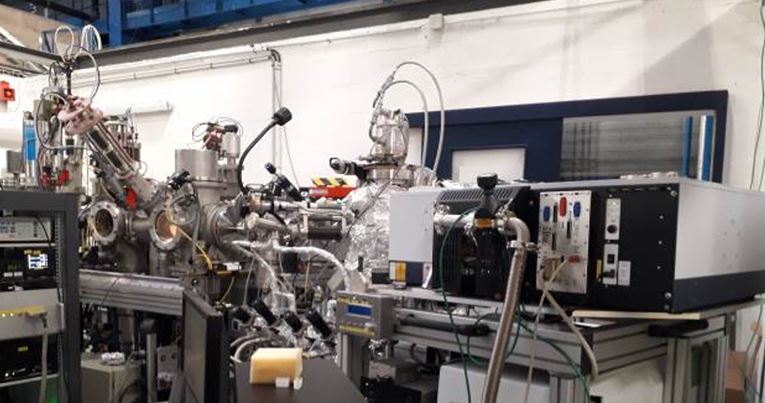
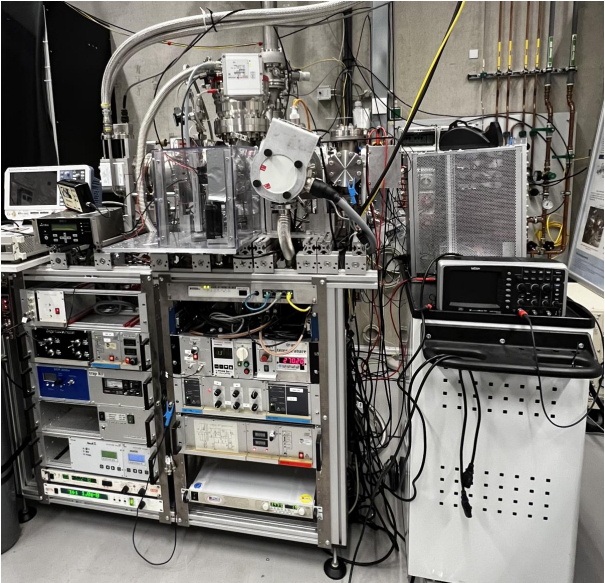
During a beamtime at the FELIX Laboratory in the Netherlands, a team of researchers from a collaboration between the University of Liverpool (UK), the Radboud University (Nijmegen, NL), the University of Trento (IT), and the University Paris-Saclay (FR) obtained the IR spectrum of different astrochemically relevant ionic sulfur-bearing species HCCS+ and H2CCS+. The vibrational data was obtained by infrared predissociation (IR-PD) spectroscopy of H2-tagged ions generated from two different ionization sources (thiophene and 2,5-dibromothiophene). As an experimental setup, the cryogenic 22-pole ion trap instrument FELion, Figure 1) at the temperature of about 4 K, coupled with the widely tunable FEL-2 laser was employed. The collected data could then be used as part of future detection using the JWST (James Webb Space Telescope), while the comparison of sources could allow for the generation of the ground-state ion for use in reactivity studies.
Reports 2nd year STSM NanoSpace call: 01/11/2023 - 31/10/2024
Boutheïna Kerkeni - Formation and destruction of sulfur molecules in the interstellar medium
The collaboration between LPMC, Faculty of Sciences of Tunis and LERMA, Observatory of Paris-Meudon involved quantum chemical studies of sulfur bearing species (e.g. cyano thioformaldehyde) recently detected in the interstellar medium (ISM). During the granted STSM in the NanoSpace framework to Prof Boutheïna Kerkeni, we have investigated reaction paths of the formation of HCSCN molecules by employing ab initio methodologies and at a higher level of theory, while predictions of the rate constants at 50-300 K are being investigated using sophisticated semiclassical approaches. The extension of the calculations on the grain models will be of great interest to the astrochemical community. The project will allow to develop a general computational procedure capable to predict energetics and kinetic data of paramount importance for astrochemical modelling. The importance of sulfur chemistry in astrophysics is timely because sulfur bearing molecules like HCSCN and HCSCCH are precursors to biological molecules and research in this field is still incomplete. We will provide the database for reaction properties for the current project and will investigate in the future as a continuation reaction mechanism involving dust grains such as graphitic materials and probe their catalytic effects.
Branislav Milovanović - Pathways of naphthalene stabilization after UV light excitation
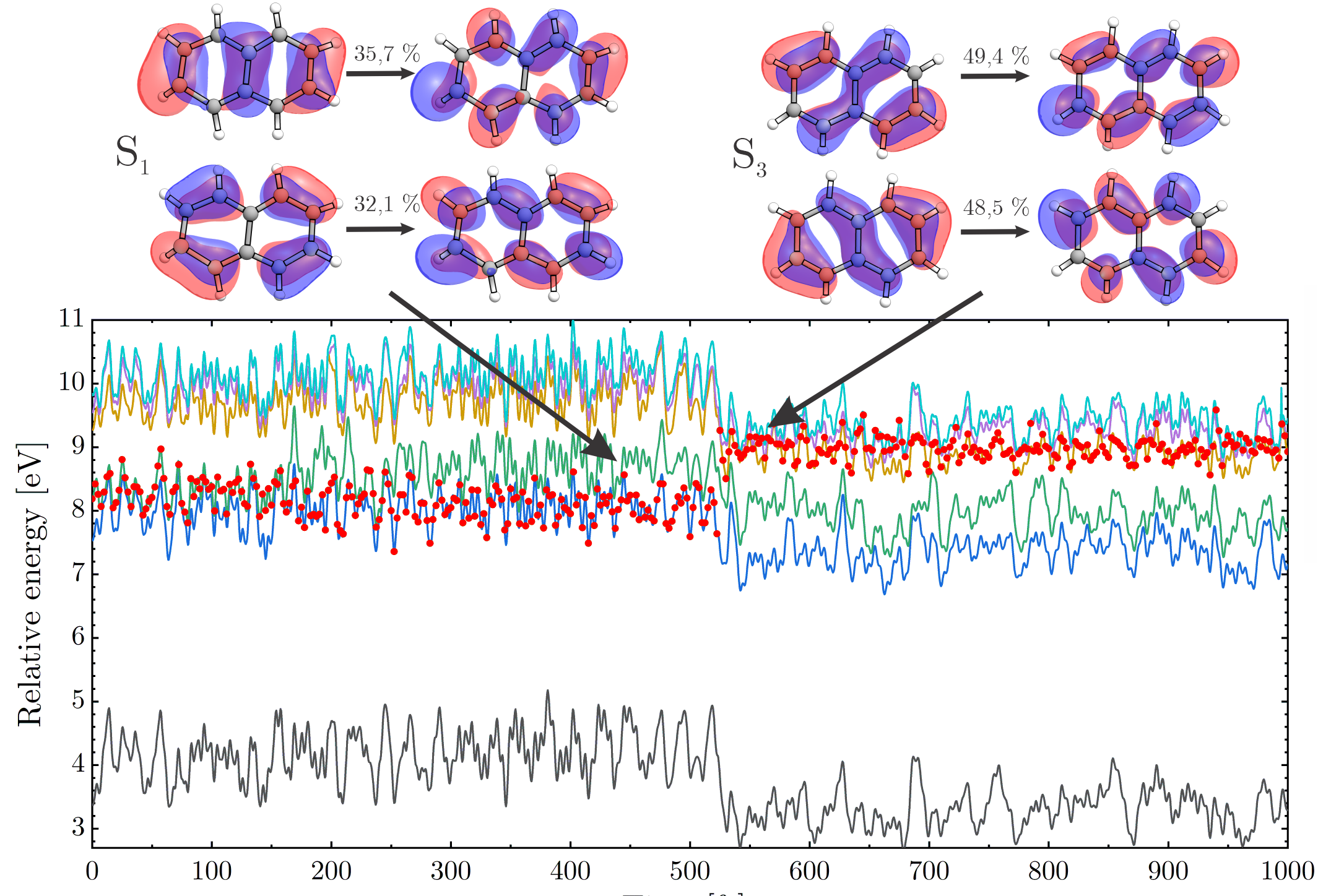
Dr. Branislav Milovanović visited the Dr. Nadja Došlić research group at the Ruđer Bošković institute in Zagreb, and his STSM was focused on unravelling the mechanisms of naphthalene stabilization after UV light excitation. The overarching aim was to gain insights into how larger polycyclic aromatic hydrocarbons (PAHs) resist fragmentation following photon absorption. This STSM provided the opportunity to initiate investigations of the naphthalene in the gas-phase by conducting surface hopping non-adiabatic dynamics simulations on gas-phase naphthalene. By exploring the vibrational motion responsible for diabatic population exchange, we aimed to develop a new protocol for mapping adiabatic to diabatic electronic states. During the STSM, however, it was discovered that the hopping criteria utilized in Tully’s surface hopping algorithm were inadequate, necessitating further modifications. Addressing this issue will involve extensive post-STSM testing, which is presently underway.
Daniela Ascenzi - Isomer specific reactivity of the astrochemically relevant ions H2CO+ and HCOH+
The purpose of the STSM was to conduct experiments at the DESIRS VUV beamline of the SOLEIL synchrotron radiation laboratory in France, as part of a collaboration among researchers from the University of Liverpool (UK), the CERISES team at CNRS & University Paris-Saclay, the University of Trento (Italy), the University of Stockholm (Sweden) and the Academy of Science of the Czech Republic in Prague. A key focus in astrochemistry is the reactivity of isomers, given that low-lying barriers to isomerization (which might be easily overcome under terrestrial conditions) can render interconversion infeasible at the low temperatures typical of astrochemical environments. Therefore, it is crucial to investigate differences in the reactivity of isomers to develop accurate astrochemical models. During the STSM we have established a methodology employing dissociative photoionization of suitable precursors to produce the radical cations H2CO+ and HCOH+ with high isomeric purity. Subsequently we measured their reactivity with interstellar molecules (such as D2, CH4, C2H6,C2H4/C2D4, C2D2, H2CCCH2 and CH3CCH).
Arun Subramani - Probing dissociation fragments from polycyclic aromatic hydrocarbons using photo-induced fluorescence spectroscopy
The collaboration between research groups from Elettra ScpA, CNR and Stockholm University aimed to study the fluorescence from neutral fragments emitted during the photodissociation of polycyclic aromatic hydrocarbons (PAHs). In this regard, the STSM granted to Arun Subramani helped support the preliminary research activities carried out at Elettra in preparation for upcoming beamtimes. The primary goal of the STSM (which was achieved) was to carry out the assembly and perform new upgrades to the photo-induced fluorescence cell, which would serve as an end station to the Circularly polarised beamline. The first experiments with the newly upgraded Photon Induced Fluorescence Spectroscopy (PIFS) cell aim to experimentally quantify atomic and molecular hydrogen emission from PAHs, while other experiments to distinguish different isomers of other neutral emission are also being planned.
Eleanor Ashworth - Fingerprinting isomeric products of interstellar PAH dissociation: indene and 2-cyanoindene
For this STSM researchers from the University of East Anglia (UK) collaborated with researchers from Radboud University (NL) at the FELIX laboratory to obtain infrared (IR) spectra for 2-cyanoindene cations (and related fragments). The spectra were obtained by IR pre-dissociation spectroscopy of mass-selected Ne-tagged cations, using the cryogenic 22-pole ion trap FELion instrument and the FEL-2 laser. These IR vibrational frequencies will be implemented in the modelling of IR cooling processes for polycyclic aromatic hydrocarbons (PAHs), which can inform on the stabilisation of PAHs in interstellar environments. The work from this STSM will contribute to a wider collaboration of researchers probing the spectra and unimolecular cooling dynamical properties of 2-cyanoindene.
Ransel Barzaga Guzmán - Predicting the infrared emission of carbonaceous materials: A combined DFPT-BEC and ML approach
During this STSM, Dr. Ransel Barzaga (Instituto de Astrofísica de Canarias, Spain) visited the collaborators Dr. Rina Ibragimova and Dr. Miguel Caro from the Chemistry Department of Aalto University (Finland). The goal of this visit was to establish the workflow and basis for the development of a Machine Learning potential within the GAP framework to simulate the infrared emission (ML-IR) of complex hydrogenated amorphous carbon materials (HACs). For this purpose a first screening of the dataset needed to train the ML-IR potential was discussed as well as the approach to compute the infrared intensities, either from the DFPT or GW perturbation approaches. Particularly, first steps were made in the case of DFPT, combined with Born effective charge (BEC) calculations, to estimate the infrared intensities. As for the GW calculation some limitations were addressed and efforts will be made to overcome them. Finally, initial tests were performed by conducting molecular dynamics simulation of HACs with GAP-potentials using the TURBOGAP code.
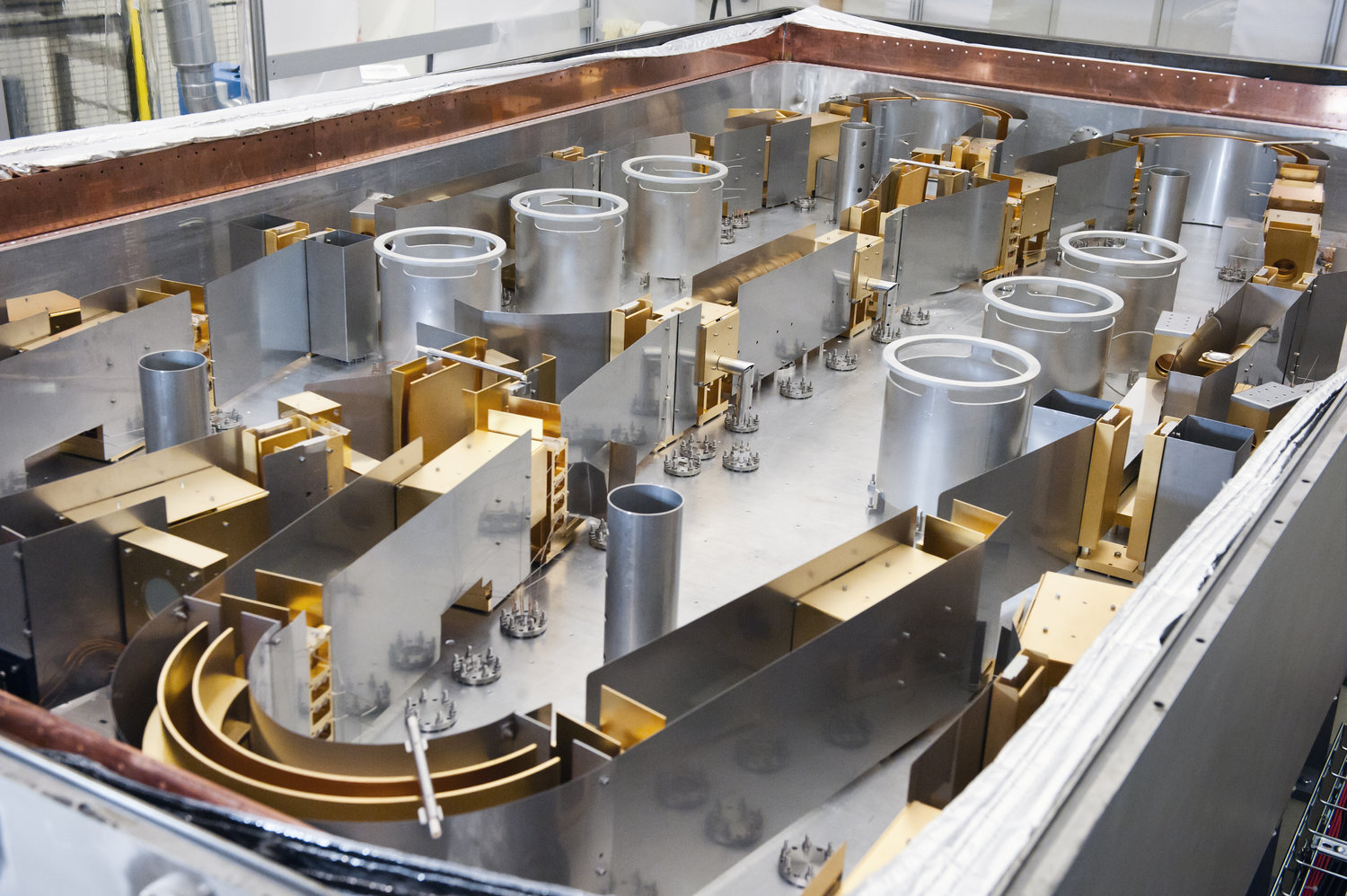
Paola Bolognesi - Reaction dynamics of biological relevant cations and oxygen anions in astronomically relevant conditions
During this STSM granted to Paola Bolognesi, experiments were carried out at the Double ElectroStatic Ion Ring ExpEriment (DESIREE) facility where they studied the mutual neutralization in low energy collisions between cations of a biomolecular precursor for nucleobases, pyrimidine, and oxygen anions in astronomically relevant conditions. DESIREE is a world-unique facility for studies of mutual neutralization reactions between ions and anions in well-defined quantum states. It is one of only three cryogenic ion-beam storage rings in operation worldwide and the only one where ion-ion interactions, important for example in interstellar processes, can be investigated. The conditions of ultra-high vacuum allow to investigate reaction dynamics in the very unique time scale up seconds or even longer. The STSM results could in turn shine light into the chemistry that led to the survival and growth of complexity of organic material in extra-terrestrial environment.
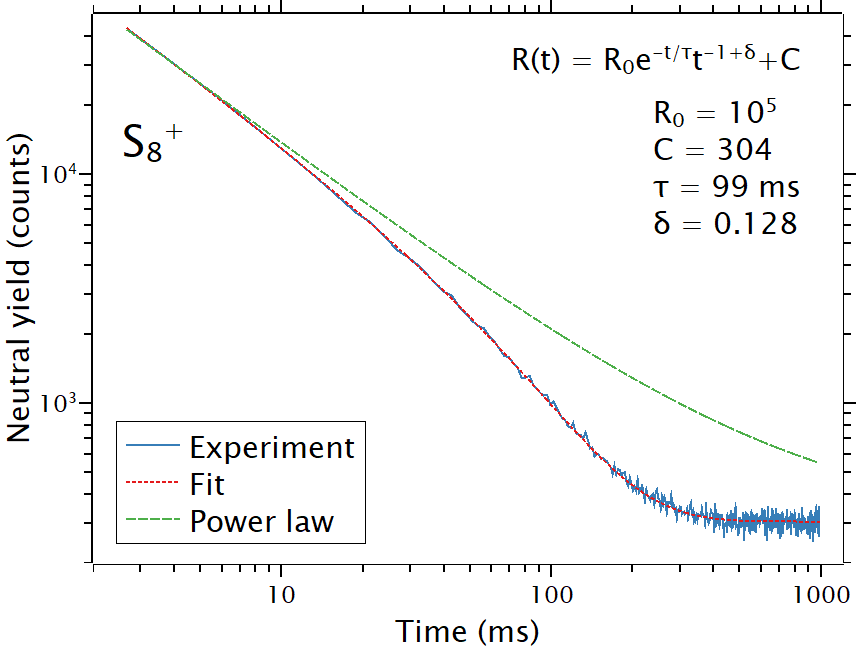
Piero Ferrari - Fast electronic cooling in cationic complexes between PAHs and octasulfur S8+
For this STSM, Dr. Piero Ferrari from the FELIX Laboratory (Nijmegen, The Netherlands) in collaboration with the team of the DESIREE facility at the Stockholm University (Sweden), investigated the cooling dynamics of S8+ ions. In particular, the investigation focused on the competition of fragmentation and radiative cooling of S8+, and how recurrent fluorescence, seen in a widespread range of ionic polycyclic aromatic hydrocarbons (PAHs), could provide a fast de-excitation channel. Using the storage ring DESIREE, hot ions were trapped and their time-dependent fragmentation was measured, which will be compared with modelled cooling rates of fragmentation, vibrational cooling and recurrent fluorescence. This work will provide crucial information for astrochemical models of the evolution of sulfur-bearing molecules in the interstellar medium.
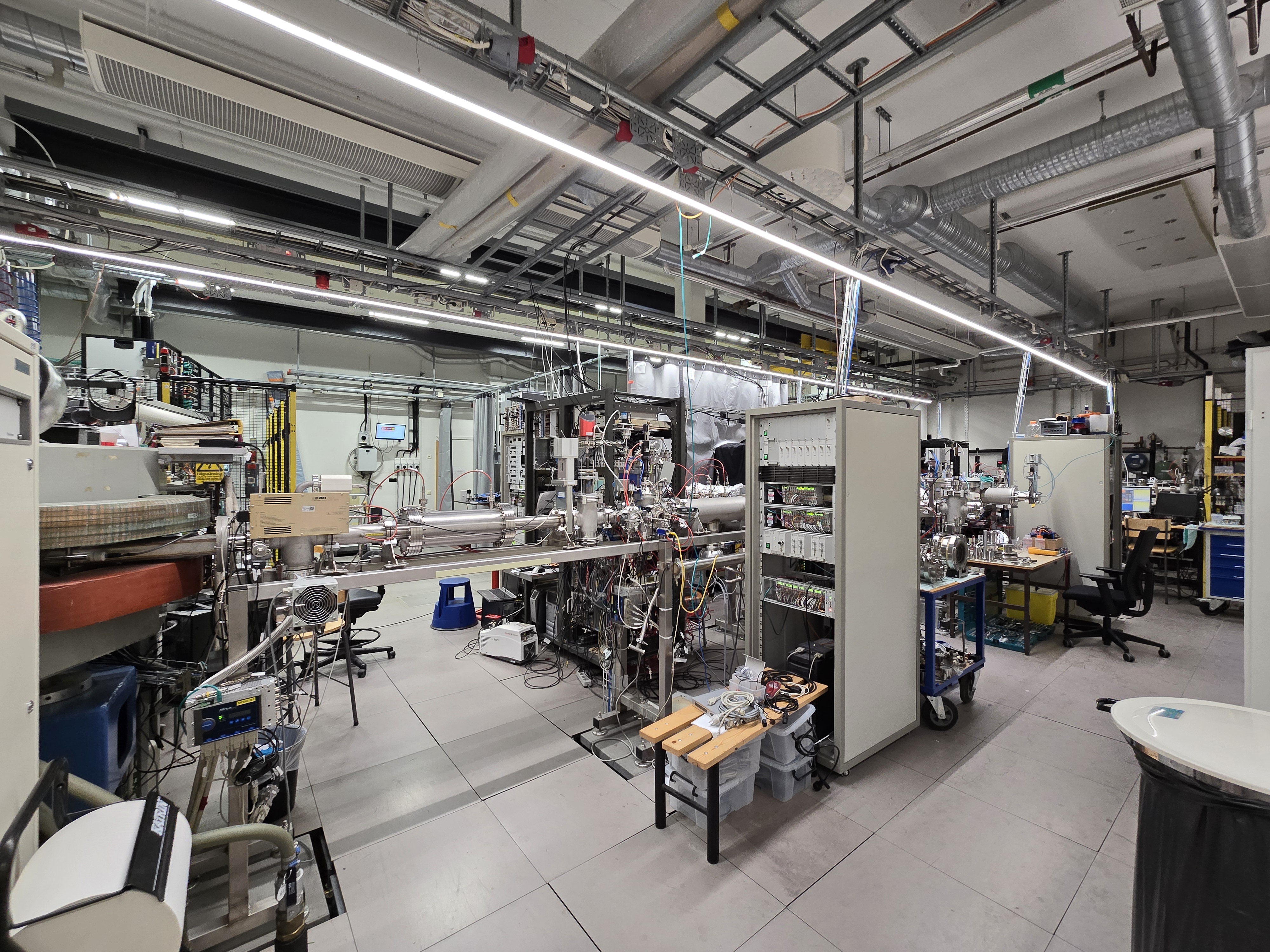
Tom Douglas-Walker - Stability of functionalized PAHs in space: Cyanobiphenyl
During this STSM, Tom Douglas-Walker (The University of Edinburgh) visited the group of Dr Mark Stockett at the Double ElectroStatic Ion Ring ExpEriment (DESIREE) facility at Stockholm University (Sweden). The purpose of this STSM was to obtain electron-impact and photo-induced dissociation rates of two cyano-functionalized PAH cations, 2-cyanobiphenyl and 4-cyanobiphenyl. Recent experiments have shown the 1-cyanonaphthalene cation is able to stabilise rapidly by emission of optical photons from thermally populated electronic states, known as recurrent fluorescence (RF). This efficient cooling pathway may challenge the general consensus that small PAHs can easily fragment in more diffuse regions of space following collisions or photon absorption. The aim of these experiments was to understand if other small, cyano-functionalised PAHs could be efficiently stabilised by RF. These results provide additional data on cooling rates of small PAH cations and will be used to improve astrochemical models on PAH abundances in space.
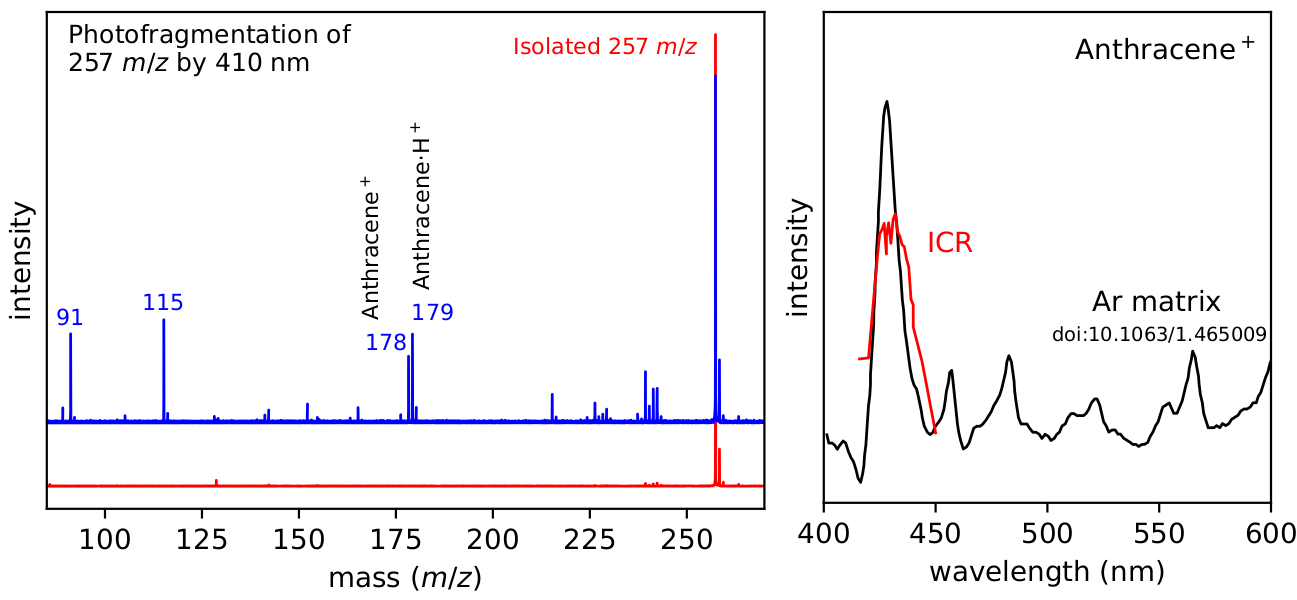
Pavol Jusko - Growth of small polycyclic aromatic hydrocarbons from 5 membered rings - C5H5+, C9H7+
The ICR trap of the PIRENEA setup (IRAP, Toulouse, France) allows very high mass resolution and selective ejection of ions according to their m/z ratio. During this STSM by Pavol Jusko (Max-Planck-Institut für extraterrestrische Physik, Germany), the setup was used to trap 257 m/z species following their production by reactivity of the indenyl cation (C9H7+) with 2-methylnaphthalene (C11H10) at room temperature. After irradiation with an OPO laser, fragmentation was observed. This was used to derive an action spectrum and demonstrate that 178 m/z ions correspond to the anthracene cation by comparison with a published spectrum recorded in an Ar matrix.
Jacob Allitt - Space-abundant transition metal astrocatalysis: a quantum mechanical approach
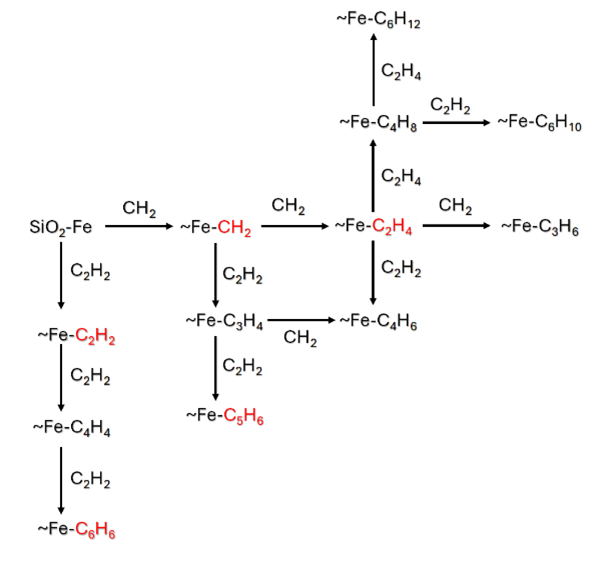
In starting to consider the seldom explored transition metal catalysed formation of interstellar complex organic molecules (iCOMs) towards nanocarbons, it’s crucial to recognise the importance of quantum chemical calculations in supporting experimental data. During this successful collaborative exchange between Heriot-Watt University and Universitat Autònoma de Barcelona, the STSM grantee Jacob Allitt gained first-hand experience from expert theoreticians in how to exploit the capabilities of one such quantum chemical code, CP2K. The primary STSM objective was successfully achieved, with the grantee starting to develop a reaction network from ISM detected molecules CH2, C2H2 and C2H4 on silica supported iron single atom (SA) and nanocluster (NC) systems, towards iCOMs and simple aromatics. Representing the first fundamental step towards catalytic formation of nanocarbons in space, Jacob Allitt feels confident in continuing these calculations independently, to expand the network further and to complement future experiments performed at Heriot-Watt University.
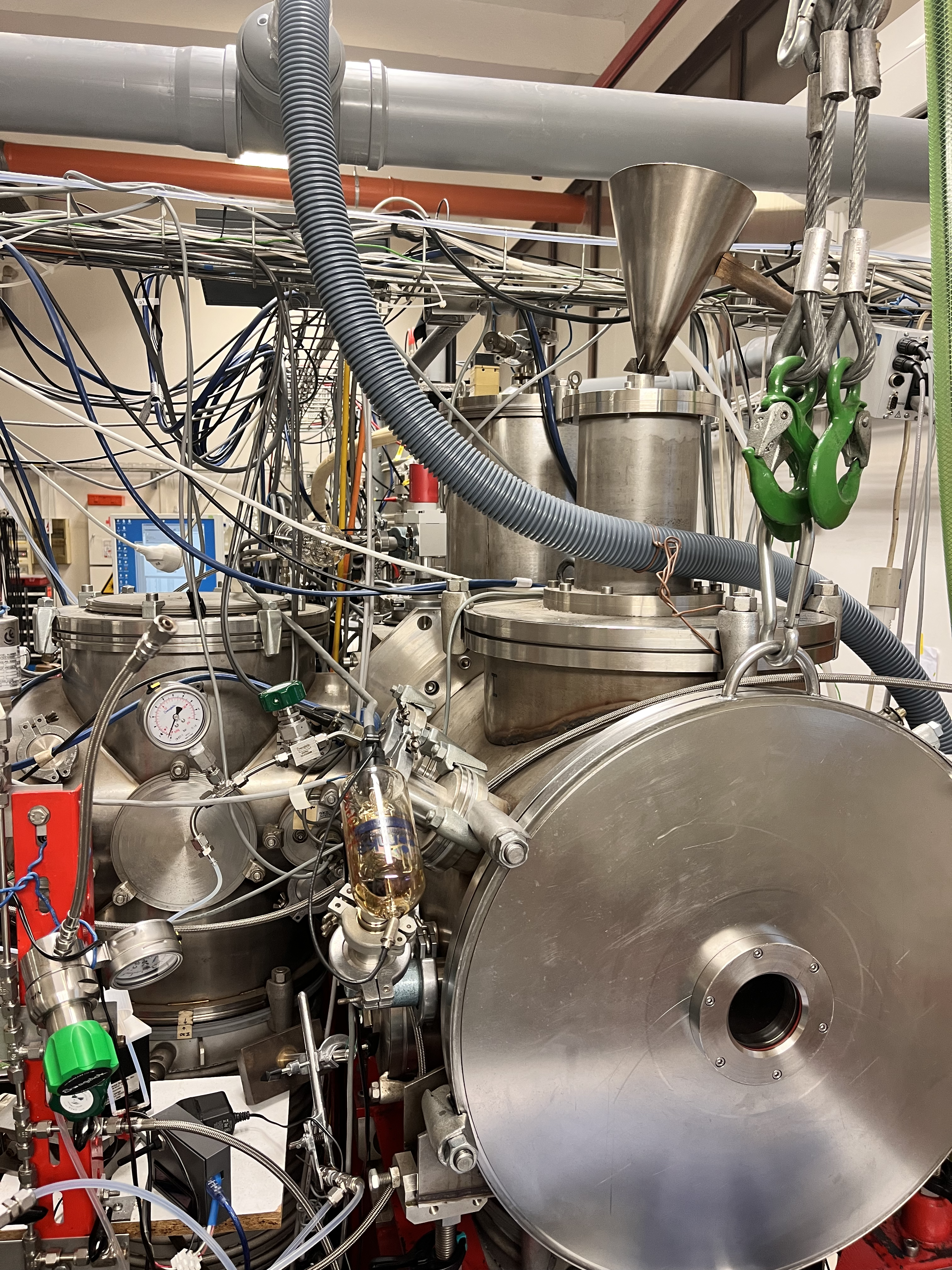
Dariusz Piekarski - Electron induced reactivity in the ionized clusters of triazole derivatives
During this STSM, Dariusz Piekarski from the Institute of Physical Chemistry – PAS (Poland) in conjunction with the Heyrovsky Institute team of Jaroslav Kočišek (Czech Republic) were able to study the interaction of both low- and high-energy electrons with two freshly synthesized 1,2,3-triazole derivatives (prepared by Olga García Mancheño, WWU Münster) using the CLUster Beam (CLUB) apparatus (lead by Michal Farnik). They observed a discerning distribution of charged fragments after single ionization for single molecule and small molecular clusters (dimer and trimer) and nano-solvated water clusters. Interesting results have emerged from appearance energy measurements between the single molecules and nano-hydrated clusters, which will be analyzed shortly. In the future, they will compare the results with theoretical calculations looking at reaction dynamics and, in particular, looking for the de-click reactivity.
Fatima Baterdouk - Exploring the formation of heterogeneous PAH clusters and their hydrates
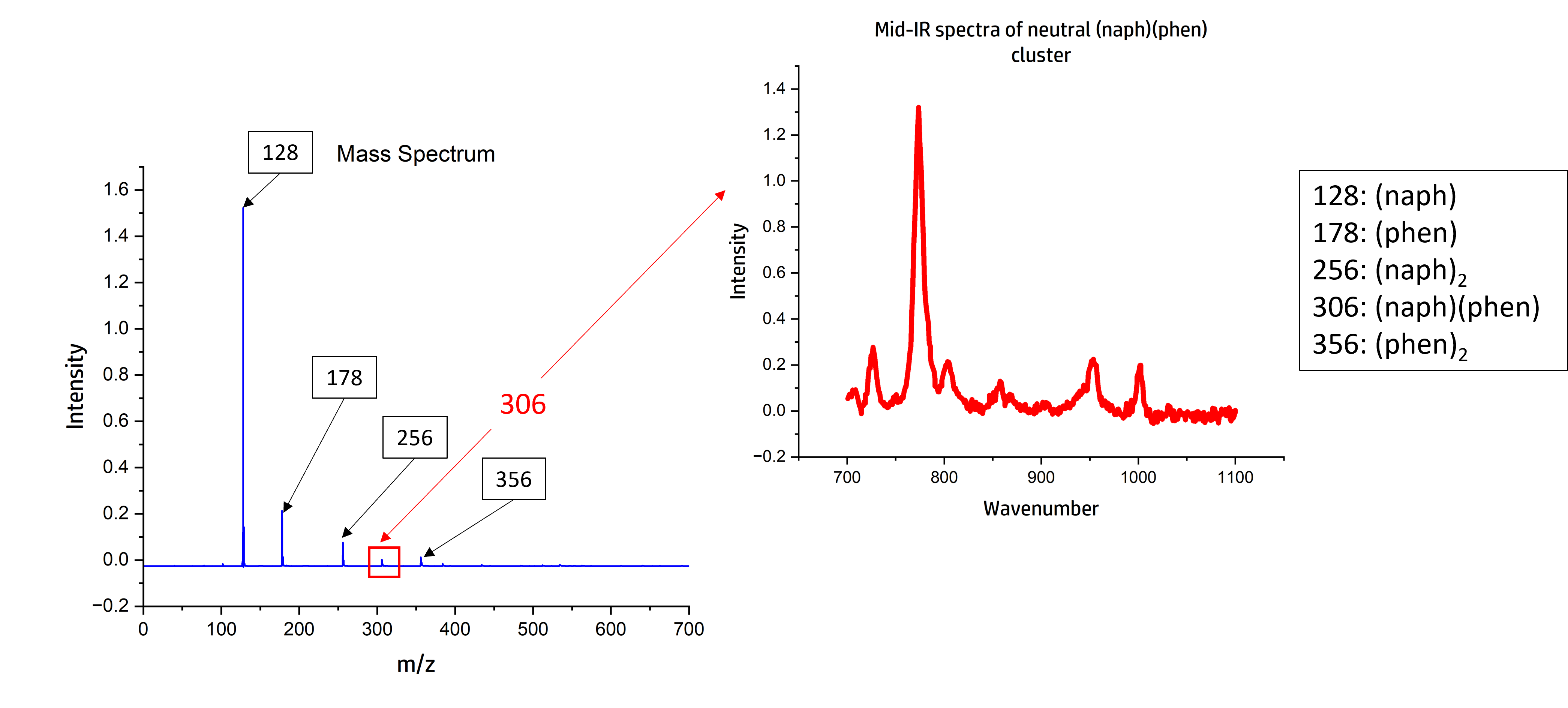
During this STSM, Fatima Baterdouk, PhD student from the University of Toulouse 3 (France) was involved in IR-UV ion dip experiments to record the IR action spectra of neutral mixed naphthalene-phenanthrene clusters. Naphthalene and phenanthrene are small members of the polycyclic aromatic hydrocarbon (PAH) family, which are abundant species in space. The measurements performed at the FELIX Laboratory in the Netherlands, were led by a team at DESY (Germany) in collaboration with researchers in Toulouse (IRAP, LCPQ) and OAC-INAF (Italy). The picture provides an example of the recorded time-of-flight mass spectrum (left) and of the IR action spectrum (right) obtained for the neutral naphthalene-phenanthrene cluster. The obtained experimental spectra will be compared to calculated spectra to characterize the structure of the studied species. By studying the evolution of IR spectra as a function of cluster composition and size, we also aim to find signatures that can be used to search for these species in astrophysical environments.
Matteo Michielan - Interstellar ethers: IR action spectroscopy of intermediates and products in the reaction of protonated ethanol and neutral ethanol (C2H5OH)
During a beamtime at the FELIX Laboratory in the Netherlands on the investigation of the formation pathways of interstellar ethers, a team of researchers from a collaboration between the University of Trento (IT), University of Liverpool (UK), Radboud University (Nijmegen, NL), and the University of Stockholm (SE) obtained the IR spectrum of different products and intermediates as the outcome of the reaction between protonated and neutral ethanol. The vibrational data was collected by infrared predissociation (IR-PD) spectroscopy of Ne- and H2- tagged ions generated in a storage ion source (SIS) starting from pure ethanol vapor. As an experimental setup, the cryogenic 22-pole ion trap instrument FELion at the temperature of about 4 K, coupled with the widely tunable FELIX laser. The collected data will contribute in clarifying the geometries of the targeted ions, and could act as a basis for higher resolution ro-vibrational studies. Additionally, the structural characterization of the obtained intermediates and products via in-situ spectroscopy, in combination with quantum-chemical calculations, will allow to elucidate the key first step in the interstellar synthesis of diethylether.
Vincent Richardson - In-situ spectroscopic characterisation of O-C bond formation via ethanol proton-bound dimers
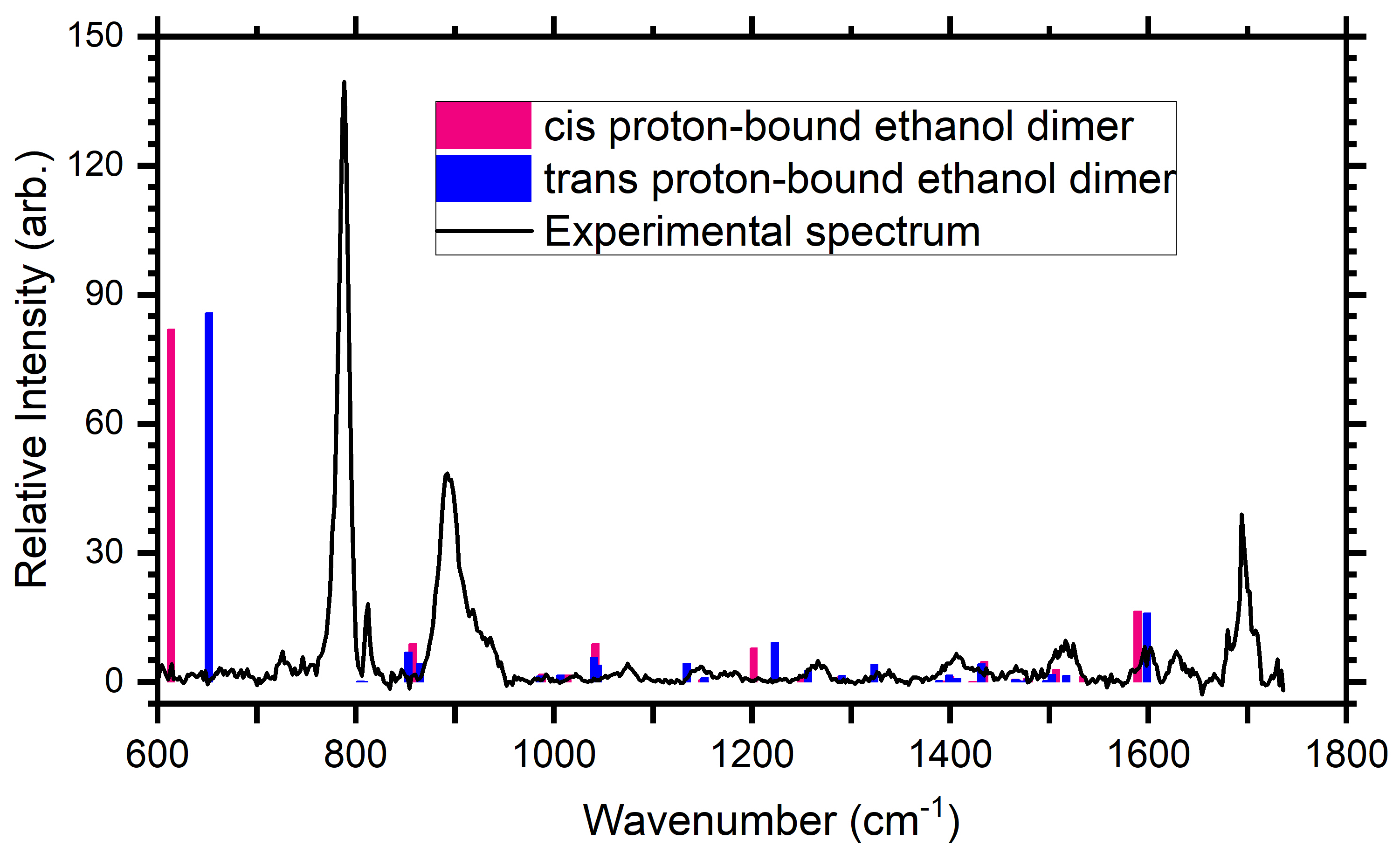
This STSM supported Vincent Richardson (The University of Liverpool, UK) for a collaborative project between the Universities of Trento (IT), Stockholm (SE) and Liverpool (UK) as well as Radboud University (NL) in Nijmegen involving the IR spectroscopy of the reactants, products and intermediates of the gas phase reaction of protonated ethanol with ethanol. Measurements were performed using the FELion instrument in conjunction with the FELIX light source at Radboud University. In all cases, spectra were obtained through IR pre-dissociation (IR-PD) spectroscopy of "tagged" ions at a temperature of around 5 K. In all cases, ions were generated via the electron impact ionization of ethanol in a storage ion source before being mass selected and tagged with either H2 or Ne doped within the cooling He buffer gas. The measurements allow us to probe the mechanisms leading to the build-up of chemical complexity in different astrochemical environments.
Juraj Jašík - Developing a cryogenic ion trap for spectroscopy of carbon-rich interstellar ions
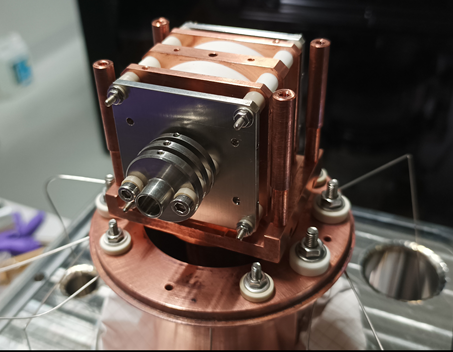
During this STSM, conducted in collaboration between the J. Heyrovský Institute of Physical Chemistry in Prague (Czech Republic) and the Molecular Science Institute of Orsay (France), we advanced the development of a cryogenic ion trap to record optical spectra of isomer-selected metal carbide ions, potentially linked to diffuse interstellar bands (DIBs). The project focused on integrating a cryo-cooled 3D Paul ion trap and an octupole ion guide into an existing apparatus. Significant progress included the successful installation and initial testing of the octupole ion guide, demonstrating its functionality, and completing the assembly of the cryogenic ion trap with design improvements for optimal performance. This STSM has strengthened our collaboration, laying a solid foundation for future work, including further apparatus development and measurement of optical spectra of isomer-selected metal carbide ions. We look forward to continuing our successful partnership and seeking international grants to support our ongoing research.
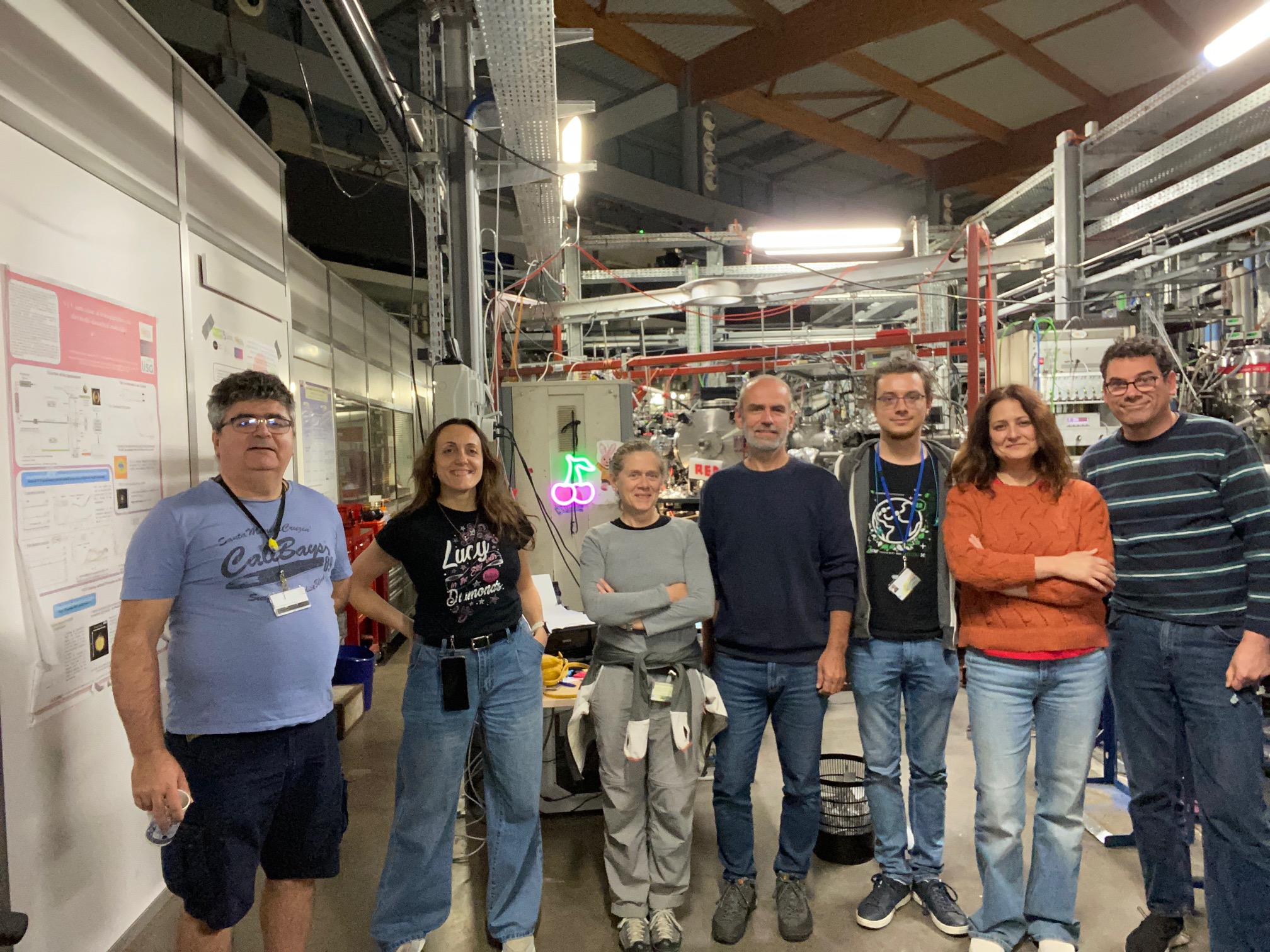
Miroslav Polášek - Astrochemistry of third raw elements: unraveling the ionic reaction pathways leading to Si and P containing species
This STSM aimed to conduct experiments at the DESIRS VUV beamline of the French national synchrotron facility SOLEIL as part of a collaboration of researchers from the J. Heyrovský Institute of Physical Chemistry in Prague (Czech) with the CERISES team at CNRS & University Paris-Saclay (France), the University of Trento (Italy), and the University of Liverpool (UK). Theoreticians from Madrid and Salamanca (Spain) joined the team whose experimental effort devoted to astrochemically relevant ion-molecule chemistry was extended this time to hitherto rather poorly understood and, in astrochemical models, under-represented chemistry of 3rd-period elements. During the STSM, the reactivity of Si+ and P+ ions prepared by dissociative photoionization of SiCl4 and PCl3 with numerous interstellar carbonaceous molecules was studied depending on the electronic state of the ionic reactant and collision energy.
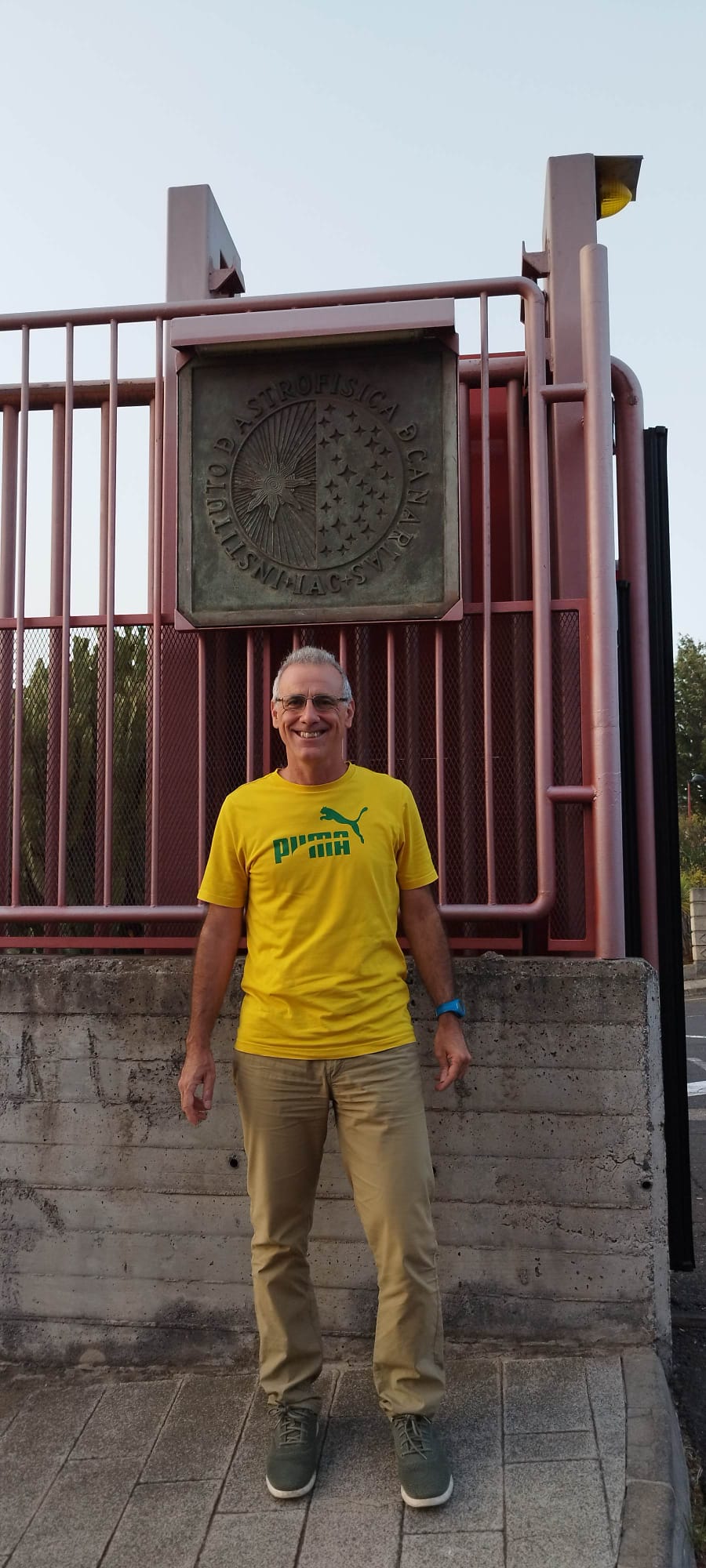
Paolo Ventura - On the evolution of molecular and dust species during the final stages of the stellar life
The two weeks visit of Prof. Paolo Ventura at the IAC (Tenerife) were the occasion to further reinforce the consolidated collaboration between the Observatory of Rome (Italy) theoretical group and the IAC observational astronomy team, coordinated by Aníbal García-Hernández. With the two teams involved in the development of a project aimed at describing the evolution of carbon molecular and dust species during the late evolutionary phases of stars, P. Ventura and A. García-Hernández analyzed a sample of Planetary Nebulae in the Large Magellanic Cloud, successfully identified the mass and chemical composition of the progenitors, and used the present physical status of the nebula surrounding the individual objects to reconstruct the previous evolutionary phases during which the stars still had a giant-like structure, which are the most relevant for a number of scientific cases, among others the carbon dust mass produced.
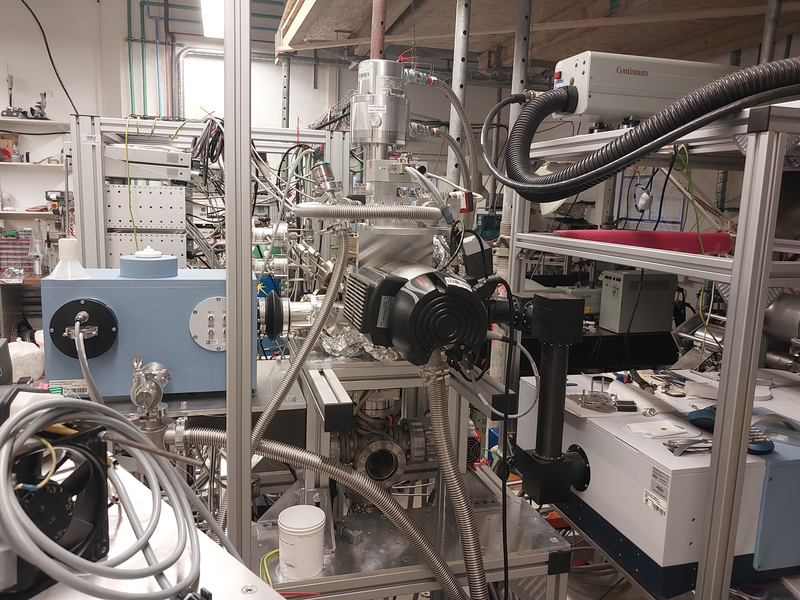
Saoud Baouche - Production of dust samples for astrochemical experiments
The STSM mission of Saoud Baouche (CY Cergy Paris Université, France) took place within the Analytical Mineralogy Group at the Institute of Geosciences, Friedrich Schiller University Jena (Germany), from August 12 to August 16, 2024, under the supervision of Dr. Alexey Potapov. The primary goal of the mission was to synthesize amorphous carbon grains, which are analogous to carbonaceous cosmic dust particles, for subsequent research at LERMA, CY Cergy Paris Université.
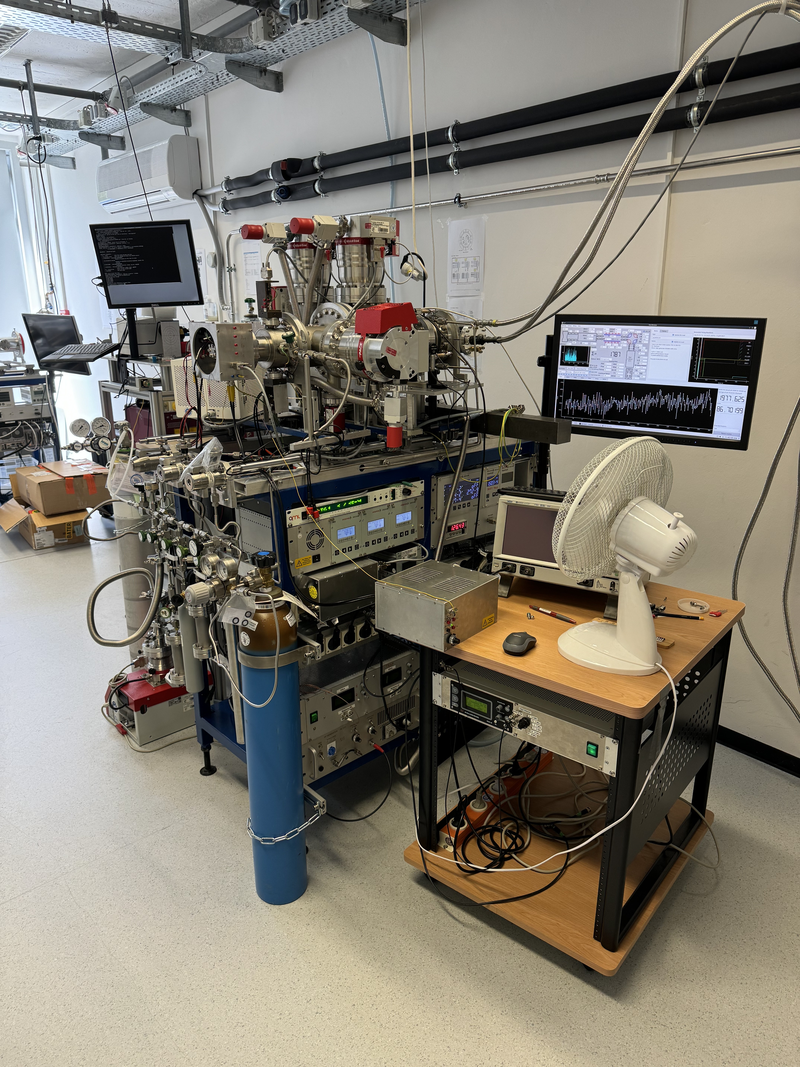
Julianna Palotás - Action spectroscopy methods in cryogenic ion traps
During this STSM, Dr. Julianna Palotás (The University of Edinburgh, UK) visited Prof. Paola Caselli's group at the Max Planck Institute for Extraterrestrial Physics (MPE, Germany) to study the CH stretch overtone transition of HCN/HNC ionic systems. The measurements were carried out in a cryogenically cooled 22-pole ion trapping apparatus. For the high-resolution measurements, various action spectroscopy methods were employed such as laser induced reaction (LIR) and leak-out spectroscopy (LOS).
Slađana Đorđević - (Anti)aromaticity changes in non-adiabatic dynamics trajectories
The STSM grantee, Dr. Slađana Đorđević (Faculty of Science, University of Kragujevac, Serbia), visited Dr. Nađa Došlić's group at the Ruđer Bošković Institute in Zagreb (Croatia). The visit proved highly productive, as they focused on the (anti)aromaticity of organic molecules in the ground state, with plans to extend the research to excited electronic states. Excited electronic structure calculations were performed using the algebraic diagrammatic construction second-order (ADC(2)) method, while nuclear independent chemical shift (NICS) values were used as magnetic criteria of aromaticity. Future collaboration will enable the exploration of (anti)aromaticity in excited states.

Jozef Rakovský - Optimization and repair of experimental setup for ion detection and pump-probe experiments
The last STSM of the second year of NanoSpace facilitated the collaboration between the J. Heyrovský Institute of Physical Chemistry (Czech Republic) and the Institute of Physical Chemistry (Poland). Dr. Jozef Rakovský visited Dr. Dariusz Piekarsky to optimize an experimental setup for future photon-induced carbon molecular experiments. Key components of the Time-of-Flight (TOF) mass-spectrometry system, including high-voltage (HV) power supplies, the MCP detector, amplifier, acquisition card, and software, were successfully tested and are now operational. The femtosecond laser wavelength was doubled using Second Harmonic Generation (SHG) to 515 nm, achieving higher photon energy. Additionally, the seeder for the nanosecond OPO/OPA laser system was verified as functional and is ready for future nanosecond time-scale experiments. A central pressure monitoring and logging system, similar to the one used at the Heyrovský Institute, was successfully implemented at the host laboratory and can be further expanded.
Reports 3rd year STSM NanoSpace call: 01/11/2024 - 31/10/2025
Silvia Tosi - Analysis of HAC emission in C60-PNe
The spectra of planetary nebulae (PNe) exhibit mysterious spectral features known as unidentified infrared (UIR) bands, whose origin remains unclear. A new collaboration between Silvia Tosi (University of Roma Tre, Italy) and Dr. Marco A. Gómez-Muñoz (Institute of Cosmos Sciences, University of Barcelona, Spain) aims to shed light on these IR features. Their work builds upon a very recent study by Dr. Gómez-Muñoz, which showed that hydrogenated amorphous carbon (HAC) dust grains can account for some specific broad UIR plateau features (e.g., at 6-9 μm and 9-13 μm) observed in the prototypical fullerene-containing PN Tc-1. To strengthen this hypothesis, they investigated various combinations of dust sizes and spatial distributions, confirming that HAC could explain those broad UIR features. Additionally, they have started the extension of such analysis to other C60-PNe, with the hope of further confirming the critical role of HAC dust in the IR emission observed in C60-PNe.
Boutheina Kerkeni - Quantum chemical studies of the reaction mechanisms of HCSCCH molecule in the interstellar medium
The collaboration between LPMC, Faculty of Sciences of Tunis and LERMA, Observatory of Paris-Meudon involved quantum chemical studies of sulfur bearing species recently detected in the ISM. During the granted STSM in the frame of COST Action NanoSpace to Prof B. Kerkeni we have investigated reaction paths of the formation of HCSCCH molecules employing ab initio methodologies such as perturbation theory MP2/aug-cc-pVTZ. The reaction mechanism starting from the addition of SCH2 + CCH shows two submerged pathways with an entrance deep energy well. From an energetic point of view, the two pathways are open even in the harsh conditions of the ISM. To gain a quantitative description, higher level methodologies (CCSD(T)-F12a/ aug-cc-pVTZ) are underway. Predictions of the rate constants in the 50-300 K temperature range are being investigated using sophisticated semiclassical approaches. The extension of the calculations on the grain models will be of great interest to the astrochemical community. The project will allow to develop a general computational procedure capable to predict energetics and kinetic data of paramount importance to astrochemical modelling. The importance of sulphur chemistry in astrophysics is timely as Sulphur bearing molecules such as HCSCN and HCSCCH are precursors to biological molecules and research in this field is still incomplete. We will provide a database for reaction properties for the current project and will investigate in the future as a continuation reaction mechanism, involving dust grains like graphitic materials and probe their catalytic effects. A first paper on the computational chemistry and kinetics of SCH2+CN HCSCN is being prepared for submission.
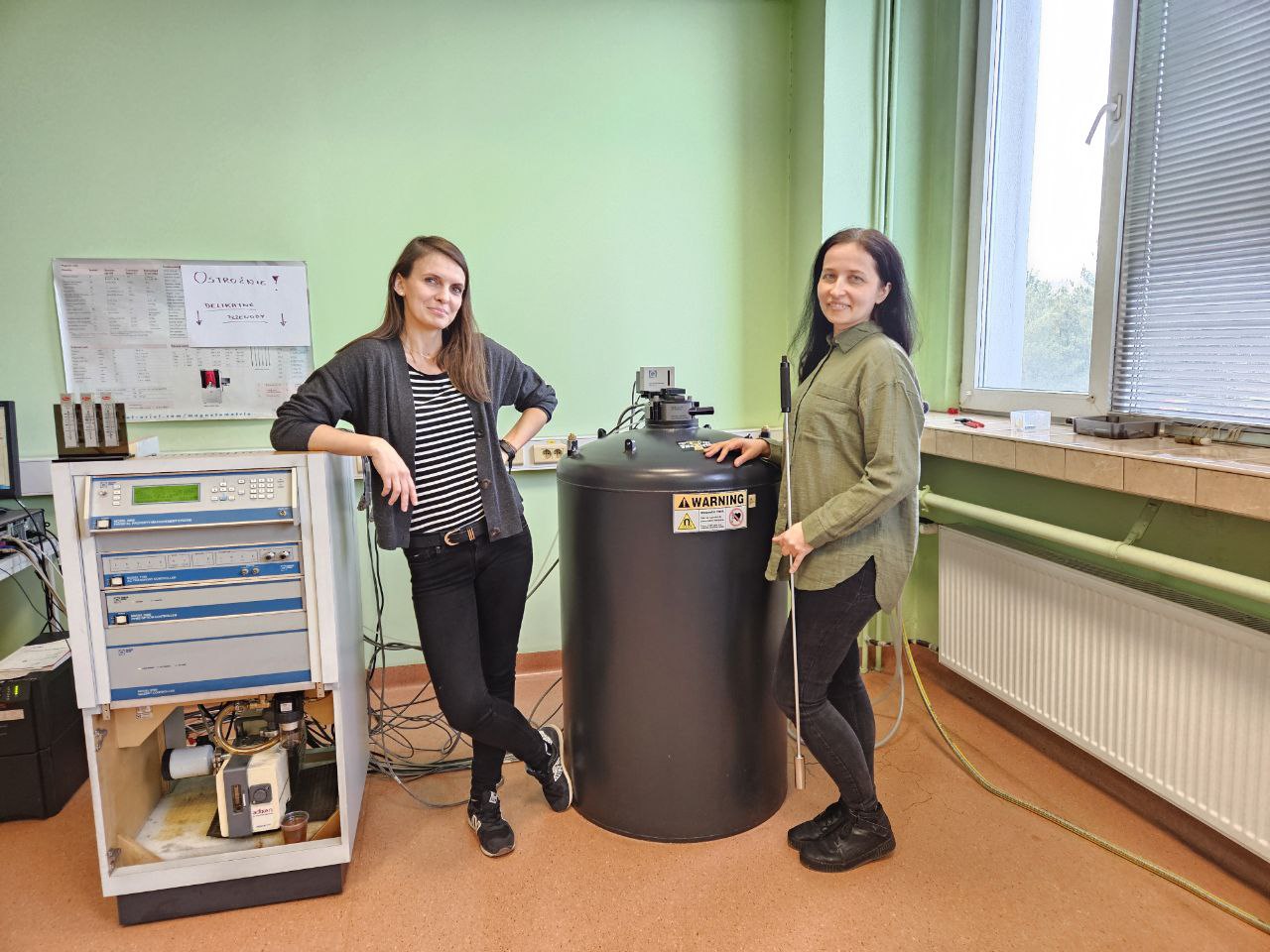
Olesia Romantsova - Thermodynamic properties of materials containing hydrated fullerene inclusions at extra low temperatures
This STSM supported Olesia Romantsova from the Institute for low temperature physics and engineering of Nasu (Ukraine) to visit Daria Szewczyk at the Institute of Low Temperature and Structure Research Polish Academy of Sciences (Poland). Their study aimed to investigate the thermal properties of low-dimensional carbon-based materials, including graphene oxide and fullerenes, using low-temperature heat capacity measurements. The focus was on understanding disorder effects and their impact on thermal behavior. During the STSM visit, TRGO-HyFn composites and pure fullerene samples were examined, revealing a pronounced boson peak in the fullerene and composite but not in graphene oxide. These results indicate significant thermal anomalies, particularly at temperatures below 10 K, resembling space conditions. The findings enhance our understanding of cosmic carbon nanomaterials, contributing with valuable insights into their structural and vibrational properties.
Havva Bostan - Searching for extended dusty shells around symbiotic stars using python-based tools
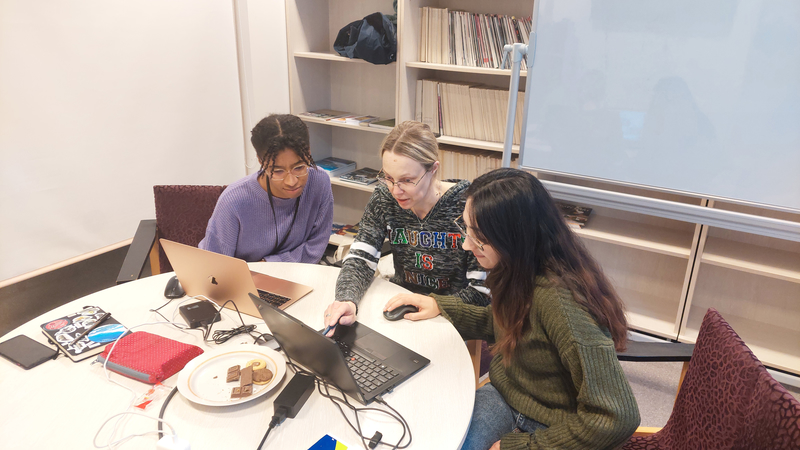
Symbiotic stars are interacting binary systems that display extended nebular features prominently visible in the optical range. Our investigation into the dusty nebulae surrounding these stars is primarily focus in the infrared (IR) region. As part of the IR survey, the STSM was focused on creating a Python-based tool to download and organize extensive data sets from the IRSA (Infrared Science Archive) database. The STSM grantee, Havva Bostan from Istanbul University (Turkey), collaborated with Dr. Tiina Liimets and her research group at the University of Tartu (Estonia), along with Maimouna Brigitte from the Astronomical Institute of the Czech Academy of Sciences. We have achieved all objectives of the STSM, which includes downloading of Spitzer and WISE data for nearly three-quarters of the symbiotic stars. We have developed an additional semi-manual tool that accelerates the analysis of this data, significantly enhancing our efficiency. In the near future, we will analyze the remaining sources and prepare our research findings for publication.
Elchin Huseynov - Investigation of carbon-based nanocrystalline particles in extreme cosmic environments
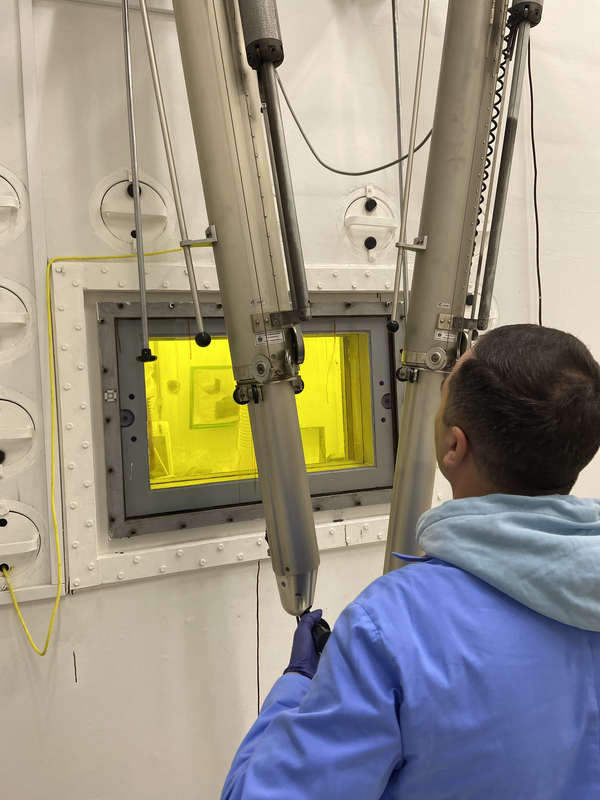
This STSM, conducted at the Jožef Stefan Institute in Ljubljana (Slovenia), focused on investigating the structural stability of carbon-based nanocrystalline particles under extreme cosmic environments, specifically studying the effects of ionizing radiation on titanium carbide (TiC) nanoparticles. In the present research, TiC nanoparticles (40 nm, SSA: 50 m²/g) were prepared and irradiated using the TRIGA Mark II light-water pool-type nuclear reactor. The results demonstrated that neutron irradiation caused structural defects such as vacancies and dangling bonds, impacting the stability of the material. These findings contribute to understanding how nanomaterials behave under extreme space-like radiation conditions, with potential applications in electronics, materials science, and nuclear engineering. Future work will involve continued collaboration with the Jožef Stefan Institute and other NanoSpace COST Action members to expand the research to different nanomaterials and irradiation conditions. The results will further advance our knowledge in nanotechnology and space-related materials research.
Fatima Baterdouk - Structure of ionized PAH - water complexes of astrophysical interest
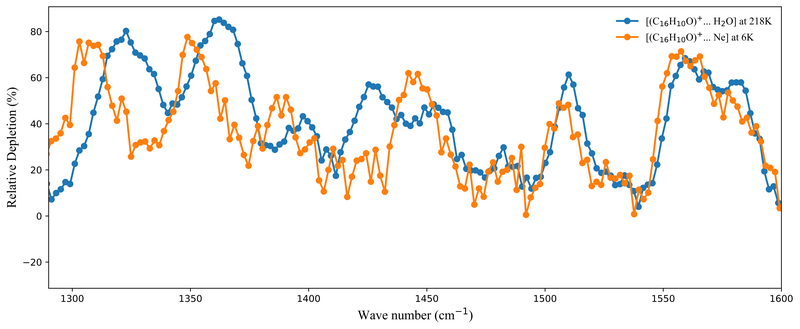
As part of this STSM, Fatima Baterdouk from the University of Toulouse (France) collaborated with researchers at Radboud University (Netherlands) to investigate the stability and infrared (IR) signatures of the 1-hydroxypyrene cation complexed with water (H2O). The experiments were conducted at the FELIX Laboratory using the FELion cryogenic ion trap tandem mass spectrometer and the FEL-2 infrared free-electron laser. During this STSM, we successfully recorded the IR spectrum of the 1-hydroxypyrene molecule tagged with a water molecule at 218 K. This study is part of a broader European collaboration involving both experimental and theoretical groups (IRAP, LCAR, and LCPQ in France; Radboud University in the Netherlands; DESY in Germany; and OAC in Italy), aiming to explore the interaction between water and polycyclic aromatic hydrocarbons (PAHs) in an astrophysical context.
Sergio Mato - Spectroscopic and fragmentation studies of interstellar PAHs: probing the formation, dissociation, and reaction pathways of fluoranthene cations
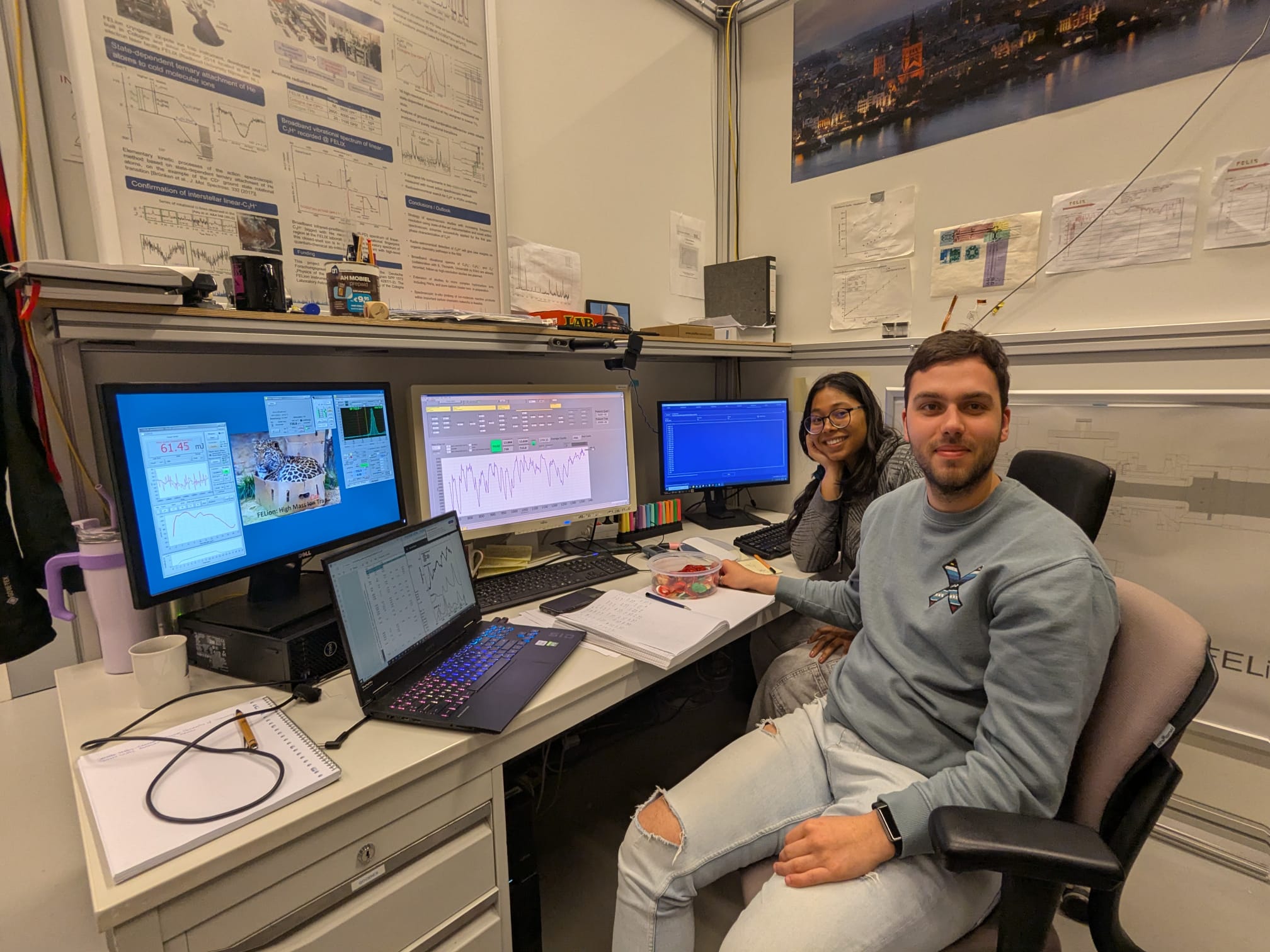
During the STSM, Sergio Mato from the University of Valladolid (Spain), in collaboration with researchers from Radboud University (Netherlands), conducted a study at the FELIX laboratory focused on the vibrational characterization of the fluoranthene cation and its related hydrogen- and acetylene-loss fragments. The spectra were obtained using IR pre-dissociation spectroscopy of mass-selected Ne-tagged cations, employing the cryogenic 22-pole ion trap FELion instrument at a temperature of approximately 6.5 K, in combination with the FEL-2 laser. Successfully recorded the IR spectra of the fluoranthene cation, as well as its H₂- and C₂H₂-loss fragments were recorded. These results will contribute to a better understanding of the fragmentation pathways of fluoranthene under interstellar conditions and the formation of new species, thereby advancing our knowledge of PAH chemistry in space.
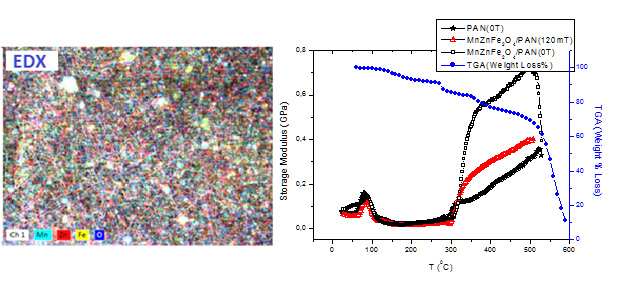
Abdülkadir Sezai Sarac - The influence of thermal and magnetic fields on the dynamic mechanical properties of magnetic ferrite nanoparticles containing polyacrylonitrile nanofibers
This STSM supported Abdülkadir Sezai Sarac (Istanbul Technical University, Turkey) for the successful characterization of innovative electrospun nanofiber composites developed for advanced applications, particularly in space. Fabricated by incorporating magnetic nanoparticles (nano-ferrites and Fe₂O₃) into a polyacrylonitrile (PAN) polymer matrix, these materials form conductive and magnetic fiber mats. Comprehensive analysis confirmed homogeneous nanoparticle distribution and provided critical thermomechanical data, revealing improved storage modulus compared to pure PAN, even under high temperatures and magnetic fields. This work significantly advances the understanding of these multifunctional nanofibers. Potential applications in space leverage their unique properties for electromagnetic interference (EMI) shielding, flexible electronics, and thermal management. They could also contribute to radiation shielding, advanced sensor technologies, and structural health monitoring in spacecraft, addressing critical challenges for future space missions.
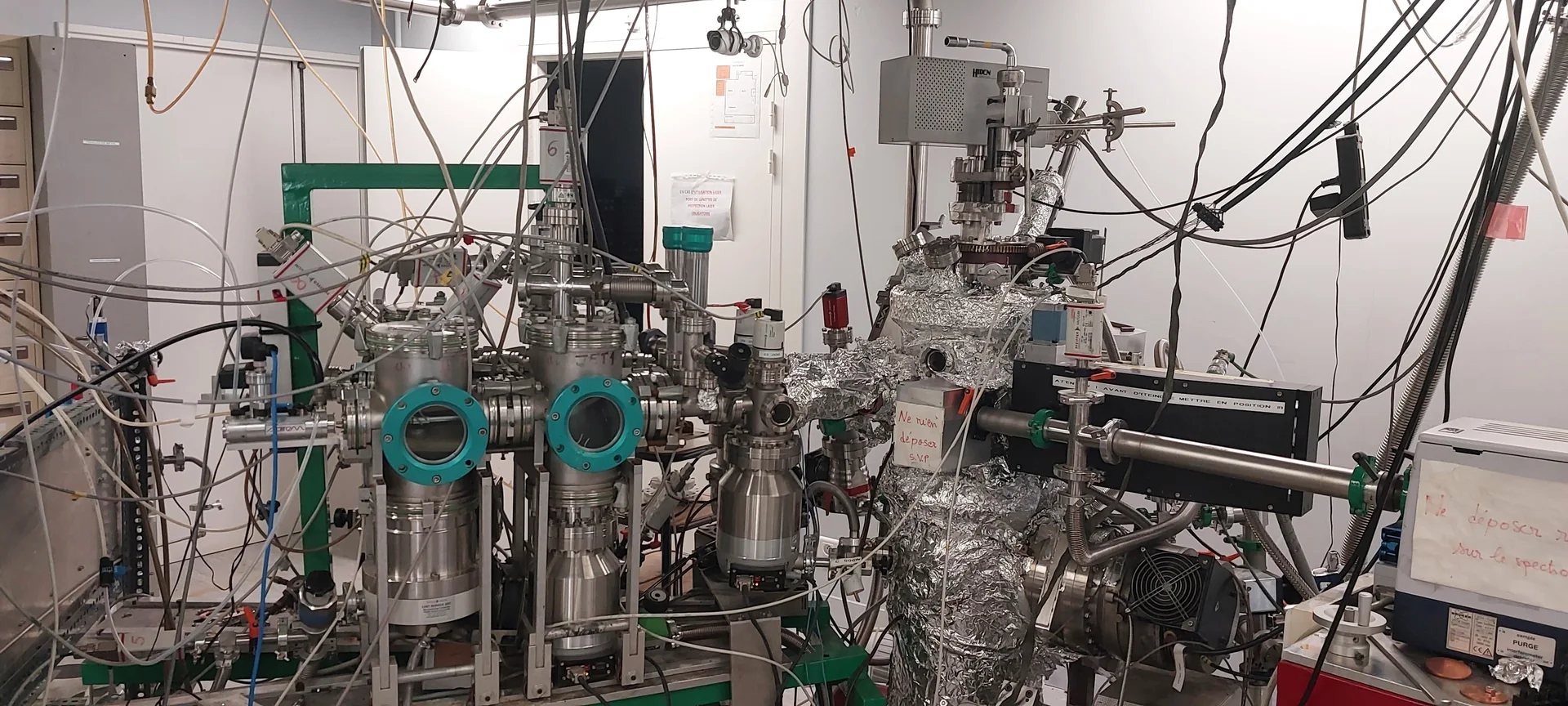
Alexey Potapov - Formation of molecular hydrogen on the surface of carbonaceous analogues of cosmic dust grains
This STSM supported Alexey Potapov (University of Jena, Germany) to continue the collaboration between the Analytical Mineralogy Group, Institute of Geosciences, Friedrich Schiller University Jena (Germany) and the Laboratory for Astrophysics Research and Instrumentation (LIRA), CY Cergy Paris Université (France) hosted by Francois Dulieu. During the mission, they studied the formation of molecular hydrogen on the surface of amorphous carbon grains, reliable analogues of carbonaceous cosmic dust, in a broad temperature range relevant to various astrophysical environments, from interstellar clouds through protostars to protoplanetary disks. The experimental results obtained demonstrate a very important role of cosmic nanocarbons in surface processes and open a door to future research on the diffusion and formation of key astrophysical species on cosmic dust grain analogues.
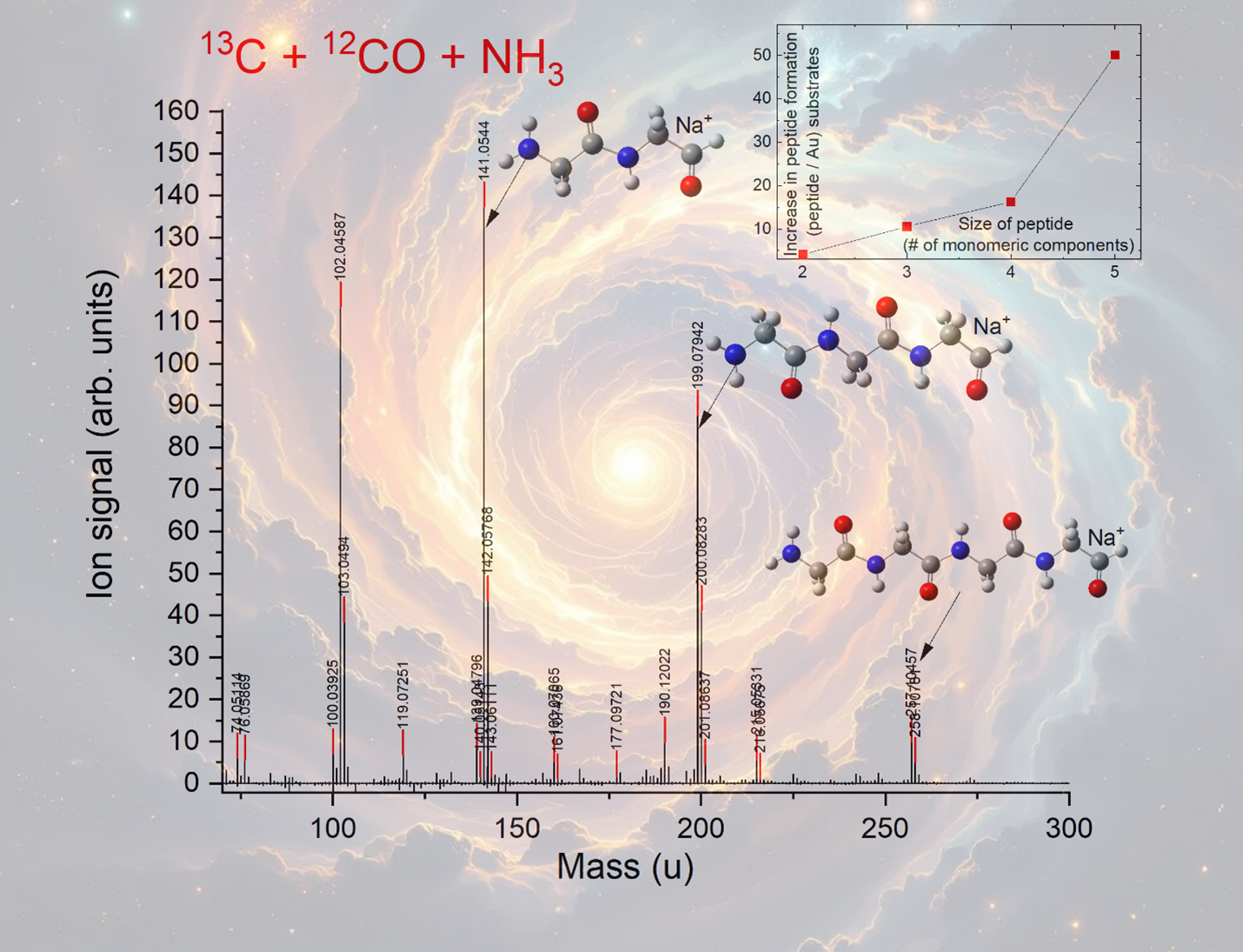
Sergiy Krasnokutskiy - Carbon addition reactions as a pathway toward biomolecules
Peptide formation under astrophysical conditions was investigated by this STSM where Sergiy Krasnokutskiy (Friedrich-schiller-universitat Jena, Germany) visited the Ko-Ju Chuang research group (Leiden University, Netherlands), simulating the condensation of the most abundant species in the interstellar medium: C, CO, NH₃, H₂O, and H. Consistent with previous findings, peptide synthesis was observed to occur efficiently, primarily driven by reactions involving C, CO, and NH₃. Preliminary results further indicate that peptide formation is enhanced on substrates already coated with peptides, suggesting an autocatalytic mechanism. This observation may have profound implications for the origin of life. Autocatalytic reactions are capable of initiating processes akin to natural selection, potentially driving the evolution of catalysts toward greater efficiency and selectivity. Such evolutionary dynamics are widely regarded as one of the most plausible pathways toward the emergence of life. Comprehensive ex-situ analytical characterization of all peptide samples produced during the mission is planned.
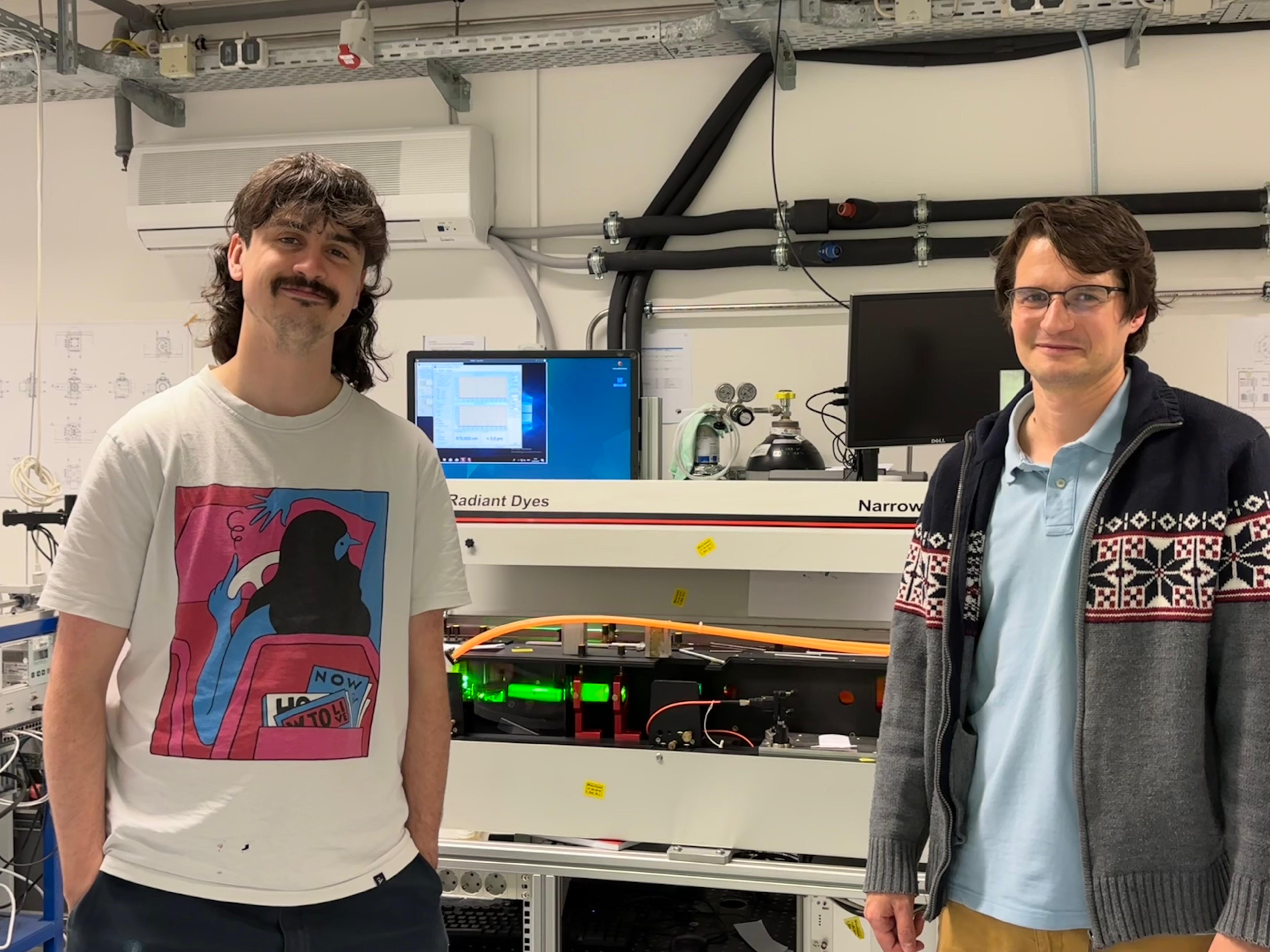
Francis Daly - Electronic Spectroscopy of HNC+ for the comparison with the Diffuse Interstellar Bands
The last STSM of the third year of NanoSpace facilitated the collaboration between the University of Edinburgh (UK) and the Max Planck Institute for Extraterrestrial Physics (Germany) and Francis Daly visited the Prof. Paola Caselli's group to record the high-resolution spectrum of HNC+ in the visible. This built upon previous work that recorded the low-resolution spectrum of HNC+, which revealed broad unresolved features in wavelength regions prevalent to the diffuse interstellar bands (DIBs). The new laboratory spectra were recorded in the cold CAS 22 pole ion trap by laser induced reactions between HNC+ and CO2 by a Nd:YAG pumped dye laser (Radiant Dyes) between 568-573 nm. The measurements were very successful recording five absorption features, with more currently being recorded. These results will permit the direct comparison to the DIBs, which will allow the assessment of the presence and abundance of HNC+ in diffuse interstellar regions.
Reports 4th year STSM NanoSpace call: 01/11/2025 - 31/10/2026
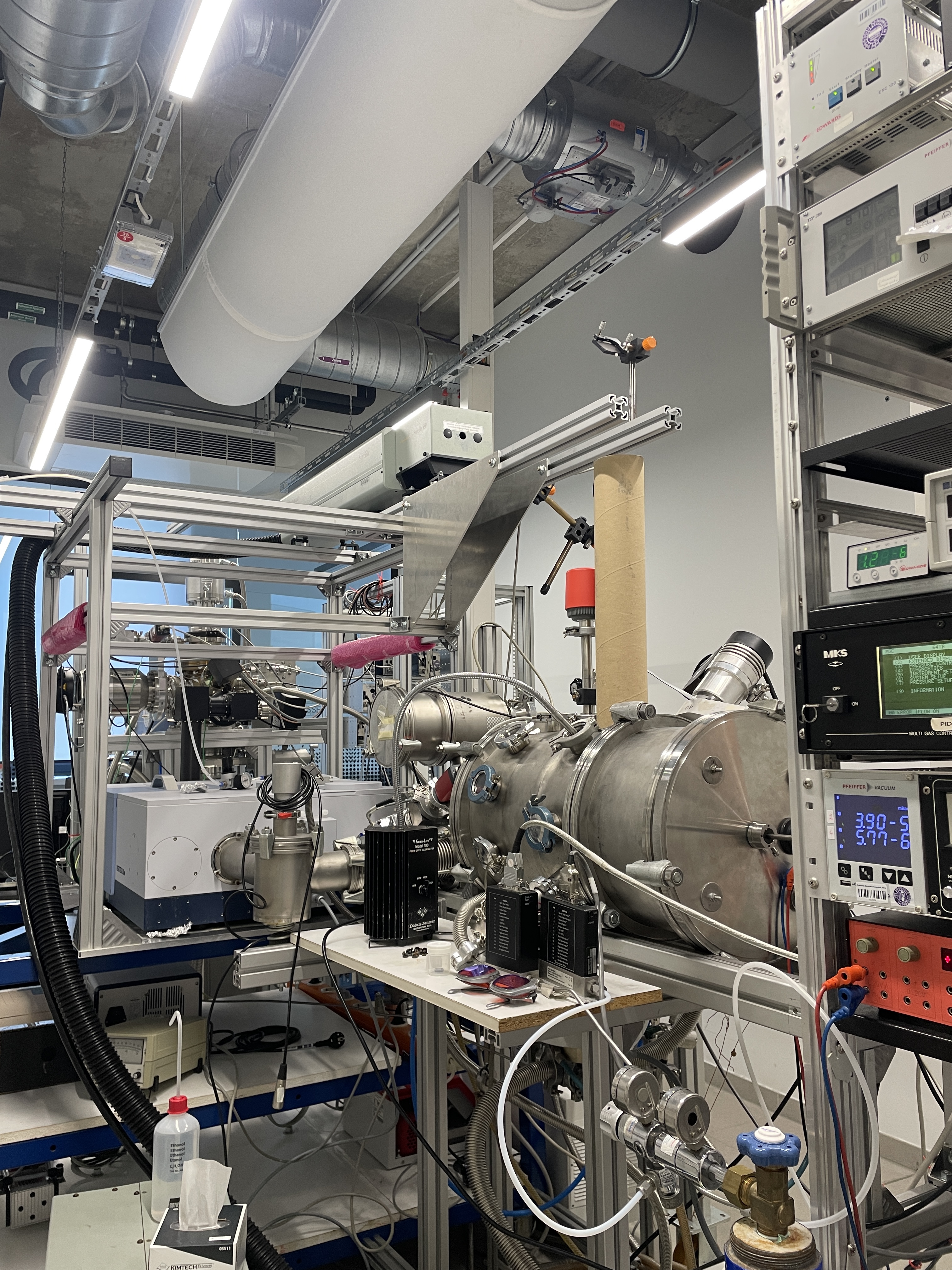
Cecilie Holmen - Production and characterization of cosmic dust grains for experimental campaign at FELIX
During this STSM, Cecilie Holmen, PhD student from Leiden University (Netherlands) visited the Friedrich-Schiller University Jena (Germany) under the supervision of PD Dr. Cornelia Jäger. The goal of the visit was to acquire hands-on experience with the experimental setup for producing carbonaceous and silicate refractory dust grains, and to produce high-quality dust analogs required for upcoming experiments at FELIX in December 2025. Beyond the experimental work, the visit enabled extensive scientific discussions on dust formation processes, the design principles of dust production systems, and strategies for implementing this knowledge into the new ice-dust experimental system at Leiden. The insights gained during the visit will therefore directly support the finalization and commissioning of the new experimental setup in Leiden, where dust production capabilities will play a central role in future research on dust–ice chemistry.
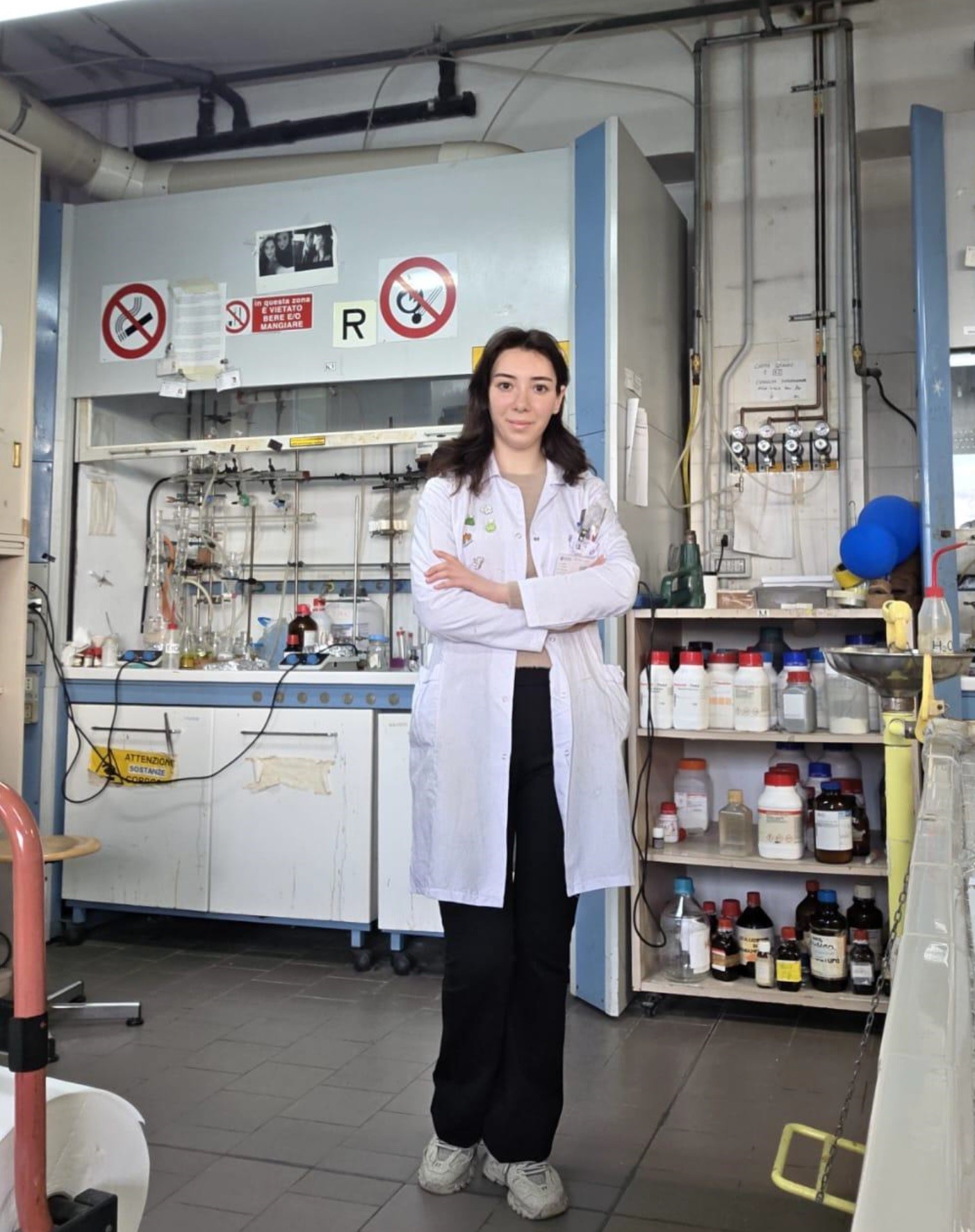
Gunel Aliyeva - Eco-friendly cross-coupling approaches to mimic the formation and reactivity of cosmic nanocarbons
This STSM was carried out by Gunel Aliyeva (Baku State Univ., Azerbaijan) at the University of Bari Aldo Moro (Italy) in the laboratory of Prof. Vito Capriati and focused on developing eco-friendly cross-coupling methodologies for the synthesis of nitrogen-containing heterocyclic compounds, in line with the Action. The work explored sustainable synthetic strategies using water and deep eutectic solvents (DES) as green reaction media, applying Suzuki–Miyaura and related cross-coupling reactions to obtain structurally diverse N-heterocycles. Reaction conditions were systematically optimized to achieve high yields, selectivity, and reproducibility while minimizing environmental impact. A comparative study between conventional solvent-based methods and sustainable protocols was also performed, allowing evaluation of efficiency and practicality through green chemistry metrics such as E-factor, solvent consumption, energy usage, and process mass intensity. The results demonstrated that environmentally benign media can effectively complement traditional synthetic approaches without compromising chemical performance. All synthesized compounds were fully characterized by NMR spectroscopy, mass spectrometry, and HPLC, generating reliable molecular reference data. The obtained heterocyclic systems serve as laboratory analogues for nitrogen incorporation into carbon-based molecular frameworks, contributing to the understanding of nanocarbon reactivity relevant to extraterrestrial environments.
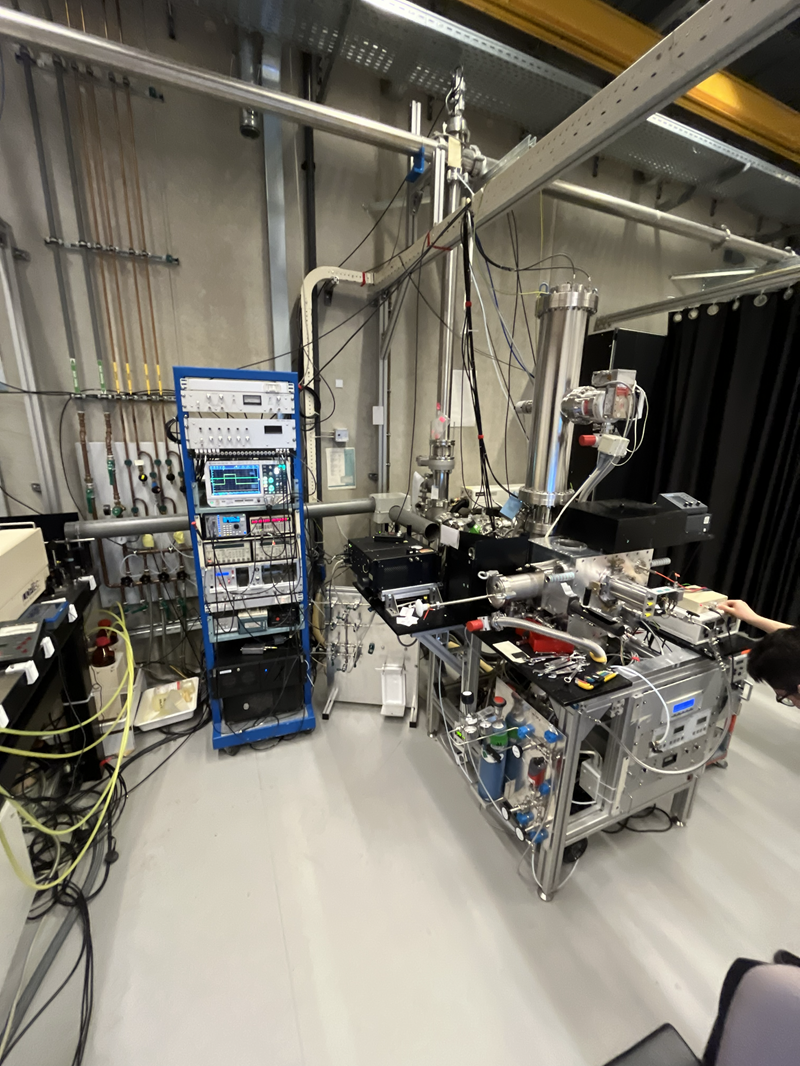
Danial Mohammadi - Infrared spectroscopy of C11H8 (m/z 140) ethynyl-indene isomers for astrochemical applications
What do a free-electron laser, a molecular beam, and a molecule found in a cold interstellar cloud have in common? The answer is this STSM. Danial Mohammadi (Stockholm University, Sweden) visited the HFML-FELIX Laboratory in Nijmegen, The Netherlands, hosted by Dr. Piero Ferrari, to record the first high-quality gas-phase infrared spectra of C₁₁H₈ ethynyl-bearing isomers; i.e., aliphatic polycyclic aromatic hydrocarbon (PAH) derivatives directly relevant to interstellar chemistry. Using IR-UV ion-dip spectroscopy coupled with the FEL2 free-electron laser and a pulsed electrical-discharge molecular beam, vibrational fingerprints were captured across 400–1500 cm⁻¹. A UV ionization resonance was identified, enabling mass-selective detection. Density functional theory (DFT) calculations for 47 structural candidates will now guide the assignment. The ultimate goal: to provide laboratory reference spectra that help the James Webb Space Telescope (JWST) and future observations identify these molecules hiding in space.
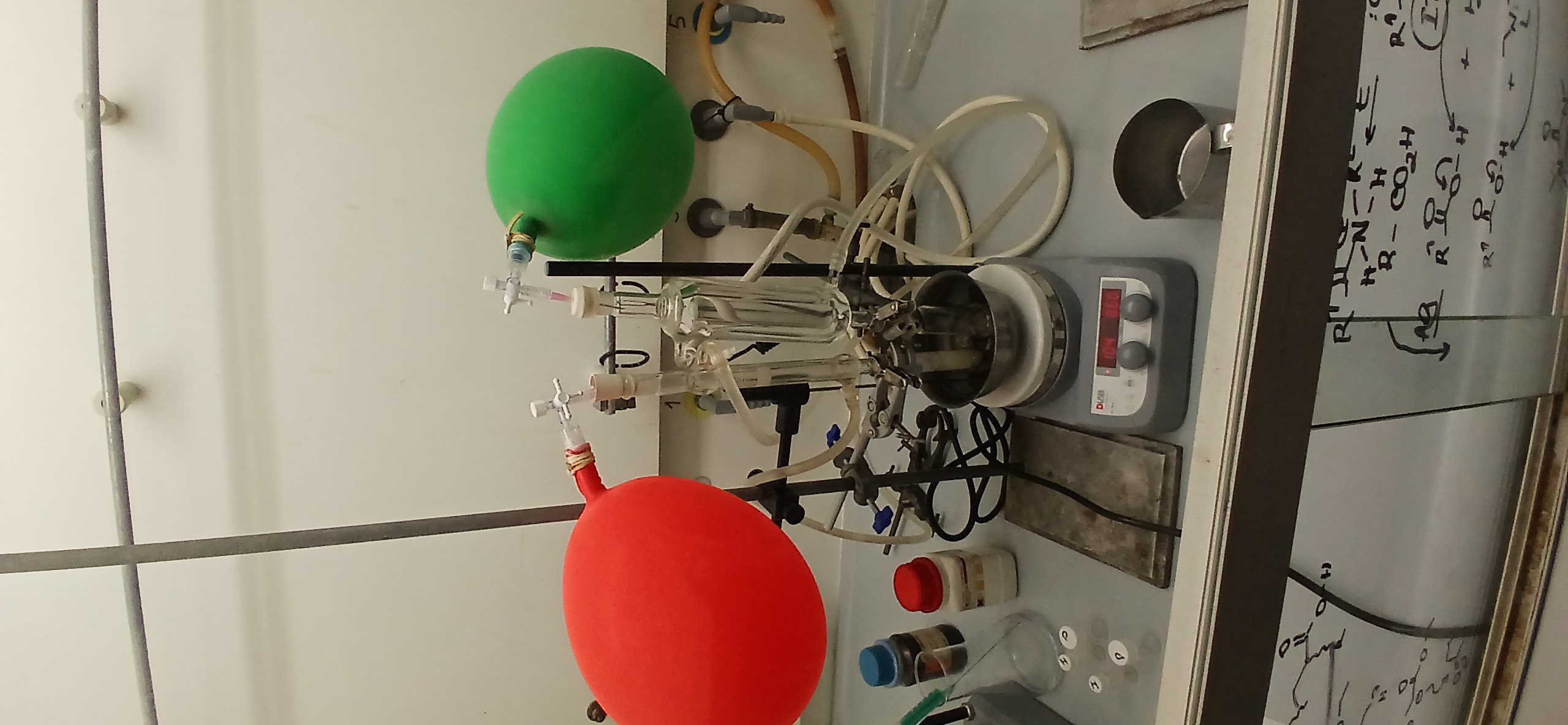
Manuel Algarra - Click-Chemistry Functionalization of Carbon Nanostructures for Advanced Nano-Carbon Studies
This STSM was carried out by Manuel Algarra (INAMAT2-Public Univ. Navarre, Spain) at the Dept. Chemistry (Faculty Science of Univ. Porto, Portugal) in the laboratory of Prof. Enrique Rodrigues-Borges. During this STSM, the work focused on the synthesis and surface functionalization of Carbon Dots (CDs) with amino and sulfonyl groups, acting as sources of nitrogen (N-CDs) and sulfur (S-CDs) doping, in line with the development of advanced nanomaterials for space-related environments. These modifications enable tuning of their optical and electronic properties while providing reactive sites for further chemical transformations under demanding conditions. Attention was given to the use of click chemistry, where amino and sulfonyl groups allow the introduction of azide or alkyne functionalities for highly selective conjugation with molecules such as fluorophores, biomolecules, or polymers, relevant for sensing and imaging in space technologies. A more complex synthetic route involved reducing sulfonyl groups to thiols, followed by reaction with triazole probes. The resulting materials are currently under characterization. Additionally, their application in lithium batteries was explored, where S-CDs enhance charge transport and electrochemical stability, highlighting their potential as versatile nanoplatforms for functional applications, including energy storage systems for space missions.
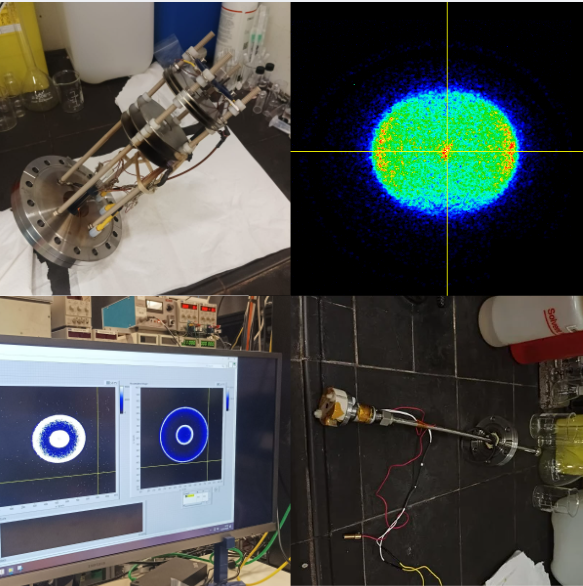
Arun Subramani - Velocity map imaging of polycyclic aromatic hydrocarbons anions
This STSM supported the research visit of Arun Subramani, a PhD student from Stockholm University (Sweden), to Dr. James Bull's laboratory at the University of East Anglia (UK). The primary aim was to carry out velocity map imaging (VMI) experiments on anions of astrochemical interest using the versatile PASTA setup. Measurements were performed on deuterated acetonitrile and indenyl anions. The VMI images were recorded at several wavelengths close to the detachment threshold, revealing the role of vibrational excitations through image anisotropy. Over the three-week visit, practical proficiency in operating a VMI spectrometer was developed, providing valuable experience for future experiments with the newly commissioned VMI detector of DESIREE at Stockholm University. The pioneering experiments carried out will help to better understand the formation of PAH anions in space.
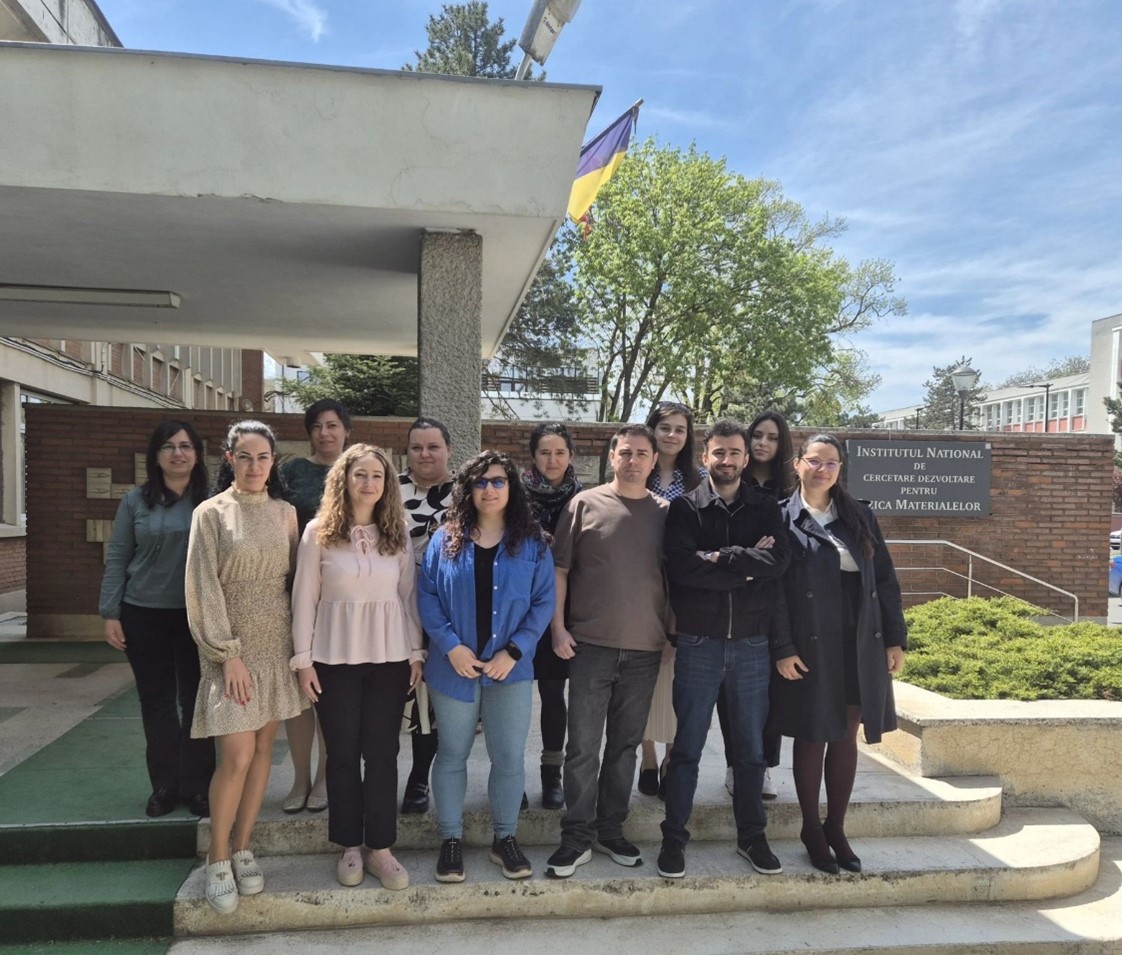
Orkhan Gulahmadov - Spectroscopic study of GO and rGO–polysiloxane nanocomposites in triboelectric nanogenerators for hybrid energy harvesting and storage towards space-relevant applications
My STSM within COST Action NanoSpace was carried out at the National Institute of Materials Physics (NIMP), Romania, in the Laboratory of Optical Processes in Nanostructured Materials, under the supervision of Prof. Mihaela Baibarac. The work focused on GO and rGO–polysiloxane nanocomposites for triboelectric nanogenerators (TENGs) in energy harvesting towards space-relevant applications. Advanced characterization techniques (Raman, FTIR, PL, UV–Vis, XPS, SEM) were employed to investigate structural and electronic properties. A systematic study of nanofiller concentrations (0–0.1) identified 0.05 as the optimal value for improved TENG performance. Measurements were also performed under varying humidity conditions to assess environmental effects. I am very grateful for this opportunity to collaborate with an excellent research team, gain hands-on experience, and strengthen future scientific cooperation.
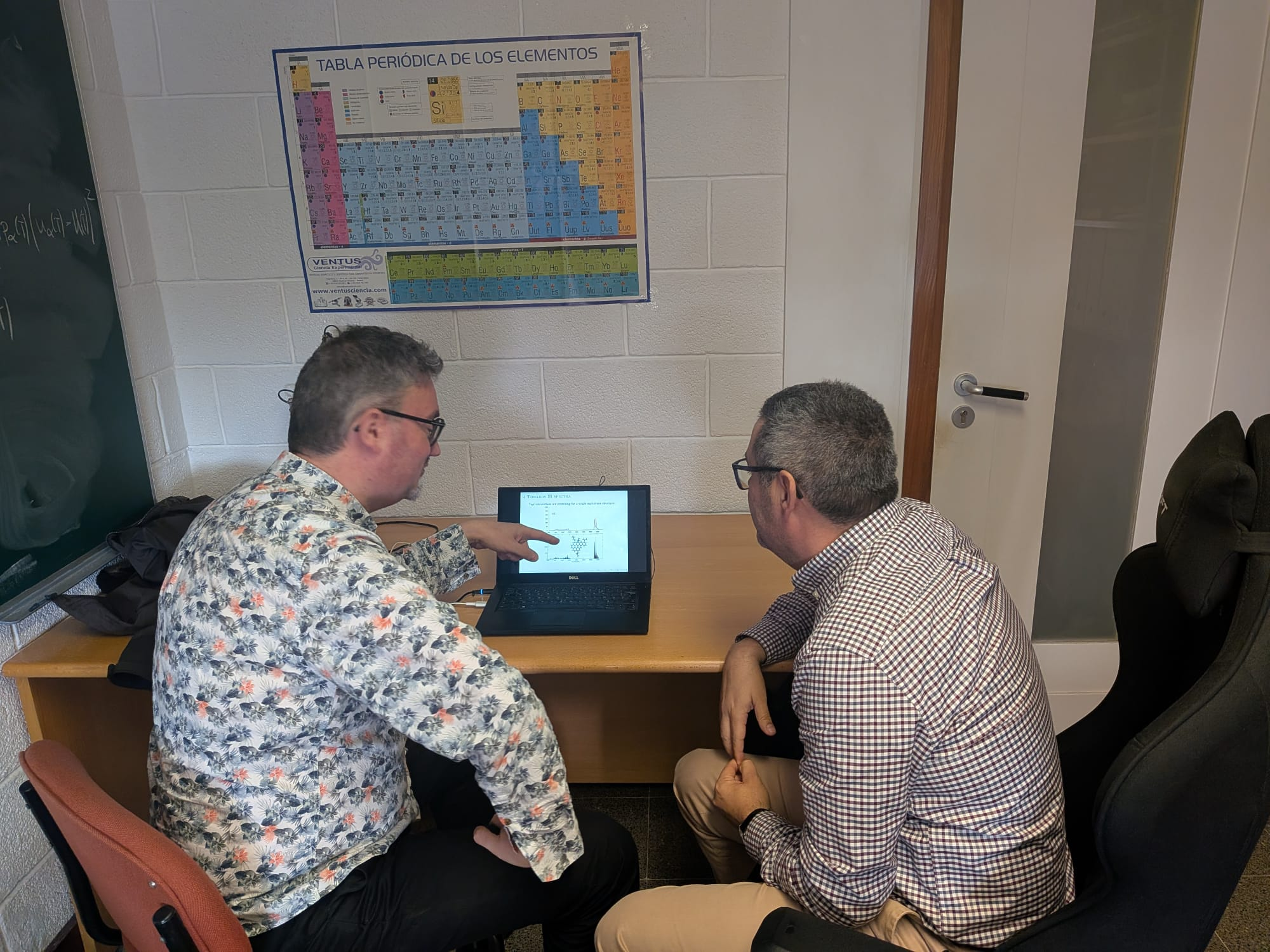
Florent Calvo - Sampling the structure and spectroscopy of model asphaltenes
Thanks to this STSM, a collaboration between the French team of Florent Calvo (LiPhy Lab, Grenoble, France) and the Spanish group of Javier Hernandez-Rojas (Universidad La Laguna, Tenerife, Spain) has begun, focusing on the computational generation of model asphaltene molecules of the continental type, combining a central aromatic domain and a number of aliphatic side chains. Here we developed a stochastic generator in which a number of prescribed parameters can be chosen by the user, such as C/H ratio, shape of the aromatic domain, elongated or branched nature, number and size of the aliphatic chains. Conversion from topological carbon skeleton to a complete, realistic molecule is achieved using a force field. Here we also aim to use density-functional theory to produce infrared absorption spectra (later on to be replaced by a machine learning model) and explore its potential connection to the unidentified IR astronomical features (UIRs) widely observed in space.
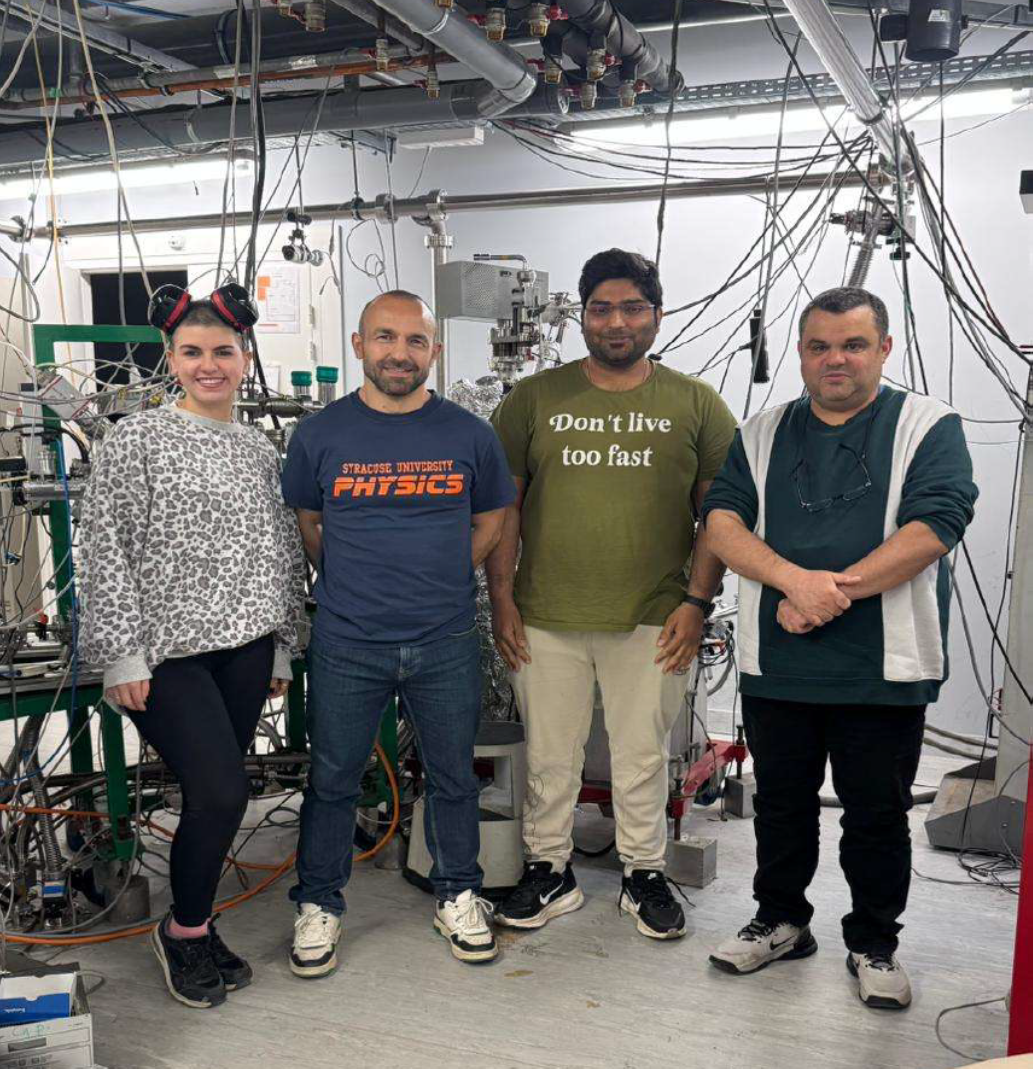
Piyush Mahesh Kalambkar - Formation of methane and small hydrocarbons on carbonaceous cosmic dust analogues by hydrogen addition
This STSM by Piyush Mahesh Kalambkar (Jena, Germany) was part of the ongoing collaboration between the Astrochemistry Laboratory of the Analytical Mineralogy Group, Institute of Geosciences, Friedrich Schiller University Jena, Germany, and the Laboratory for Astrophysics Research and Instrumentation (LIRA), CY Cergy Paris Université, France. We investigated the interaction of atomic hydrogen with amorphous ¹³C carbon films, used as analogues of carbonaceous cosmic dust grains, under astrophysical relevant laboratory conditions. This STSM work directly contributes to understanding the role of cosmic nanocarbons in surface processes and provides a basis for future studies on the formation of methane and small hydrocarbons on carbonaceous dust grain analogues.
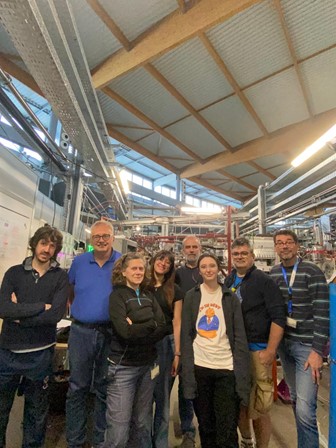
Alice Frustaci - Isomer specific reactivity of the astrochemically relevant ions H2CO+. and HCOH+.
During this STSM, Alice Frustaci (UniTrento, Italy) carried out an experimental campaign at the VUV beamline DESIRS (SOLEIL Synchrotron, France) focused on the study of ion-molecule reactions involving the isomeric ions H2CO+. and HCOH+. (in the form of the D-labelled species DCOH+.) with astrochemically relevant hydrocarbons and species containing O and N atoms. Using the CERISES apparatus, absolute reactive cross sections and branching ratios were measured as a function of collision energy. The STSM enabled the acquisition of an extensive dataset covering a wide range of reactions. The comparison between deuterated and non-deuterated systems provides insight into the reaction dynamics and gas-phase processes. These results will be combined with theoretical modelling to derive reliable rate constants at the low temperatures typical of cold interstellar regions and planetary atmospheres.
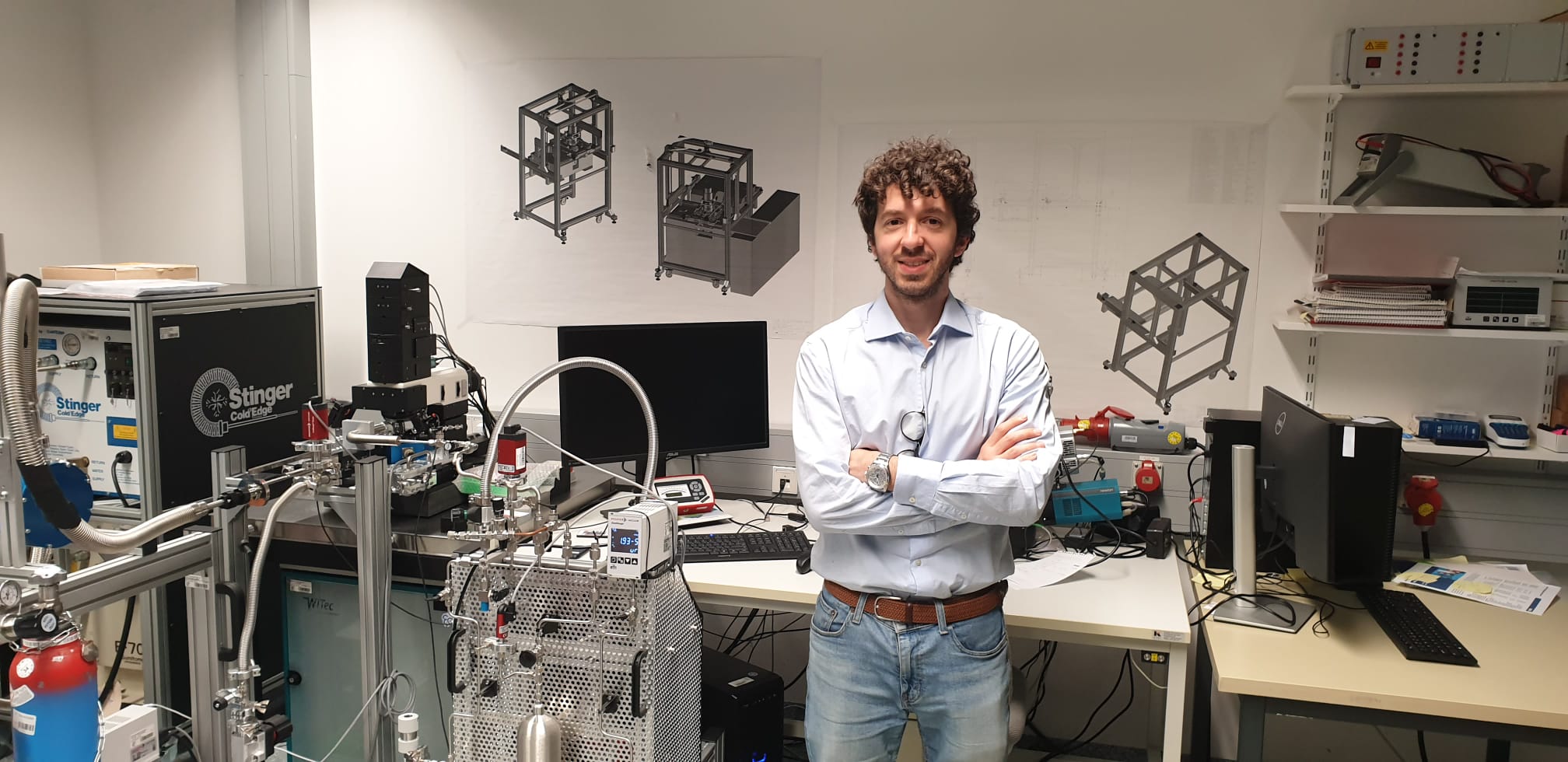
Massimo Germanà - Raman measurements of carbonaceous chondrite meteorites and comparison to organic refractory residues
The research activity carried out during my STSM at the Center for Astrochemical Studies (CAS) of the Max Planck Institute for Extraterrestrial Physics (Garching, Germany) focused on the Raman analysis of organic refractory space analogs and carbonaceous chondrites. Raman spectroscopy enables the investigation of the structural order of carbonaceous materials through the inelastic scattering of monochromatic laser light and is particularly effective in detecting amorphous carbon. Since the amorphous carbon band is resonant and sensitive to the excitation wavelength, we performed a multiwavelength Raman study to better constrain the carbonaceous properties of samples of astrophysical interest. This work contributes to a deeper understanding of the astrochemical evolution of complex organic compounds throughout the Solar System and of metamorphic processes, such as ion irradiation, experienced by the parent bodies of carbonaceous extraterrestrial particles.
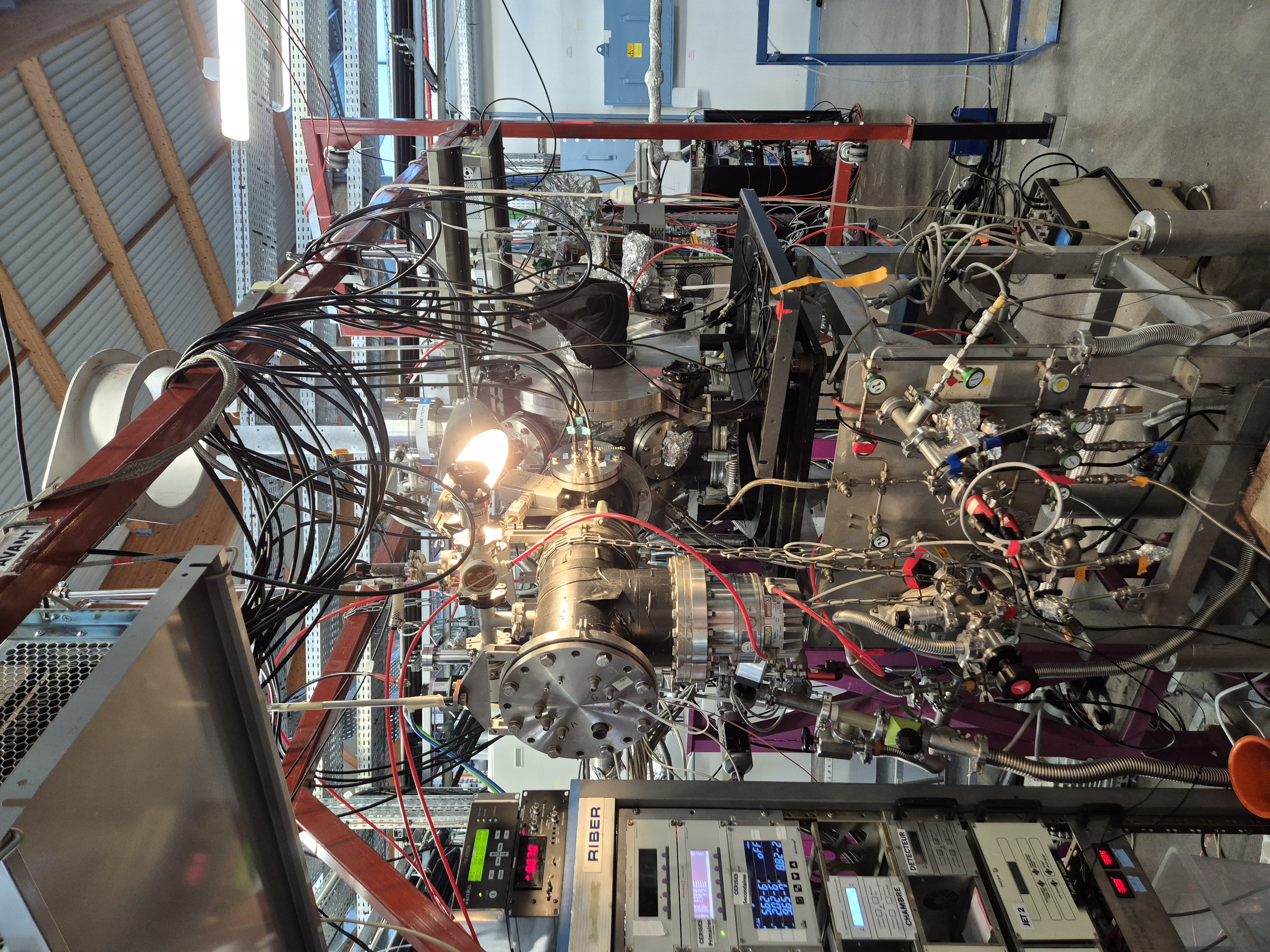
Lucy Morris - Deuteration effects in bond forming reactions of [CH2O] + radical cation isomers
During this STSM at the SOLEIL synchrotron (France), a collaboration of researchers from the University of Liverpool (UK), the University of Trento (IT), Université Paris-Saclay, Stockholm University and, J. Heyrovský Institute of Physical Chemistry in Prague investigated reactions between H2CO+ and its deuterated counterpart with various astrochemically relevant hydrocarbons using the DESIRS VUV beamline. We measured absolute reaction cross-sections as functions of photon energy (a proxy for internal energy of the ions) and collision energy. These reactions have given us insight into the formation of C-C bonds and prebiotic precursors which may contribute to the build-up of chemical complexity in interstellar environments. Once analysed, we hope this data can be used to describe the reactivity of these isomeric ions in chemical network models, and, in combination with previous data, can be used to explore capture modelling approaches that go beyond the treatment of ions as point charges.
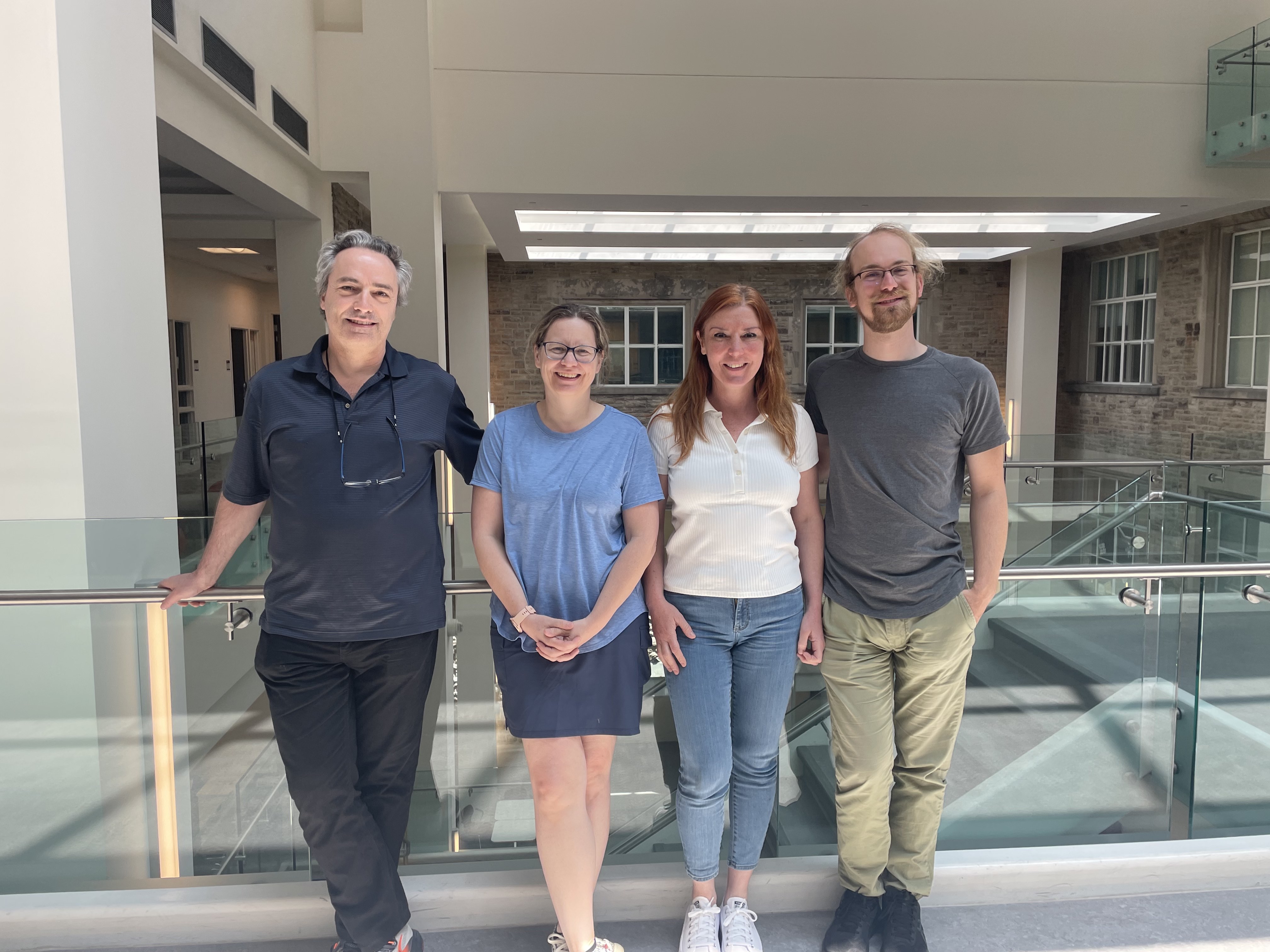
Burcu Günay - Bridging Spectral Decomposition and Molecular Interpretation of PAH Emission in PDRs
Using PAHFIT on infrared observations of the reflection nebula NGC 7023 combined with theoretical spectral modeling using the NASA Ames PAH Infrared Spectroscopic Database (PAHdb), we investigated the charge and size properties of polycyclic aromatic hydrocarbons (PAHs) responsible for emission features in the photodissociation region (PDR). By analyzing subcomponents of the 7.7- µm and 11.3-µm emission complexes and fitting them against a custom PAHdb spectral library, we identified links between spectral subcomponent ratios and relative enrichments in PAH populations. The broader subcomponents are associated with enrichment in neutral PAHs. Within the 11.3-µm complex, the bluer narrow subcomponents trace enrichment in cationic medium PAHs, while redder narrow subcomponents trace enrichment in neutral small PAHs. Within the 7.7-µm complex, the redder narrow subcomponents trace enrichment in cationic medium PAHs, whereas the bluer narrow subcomponents trace enrichment in neutral small PAHs. These findings imply that subcomponents of major PAH emission bands may serve as tracers of PAH nature, offering new potential diagnostics to probe the photochemical evolution across PDRs.
Maëva Louis - Electronic spectroscopy of space-relevant oxygenated or sulfurated interstellar complex organic molecules
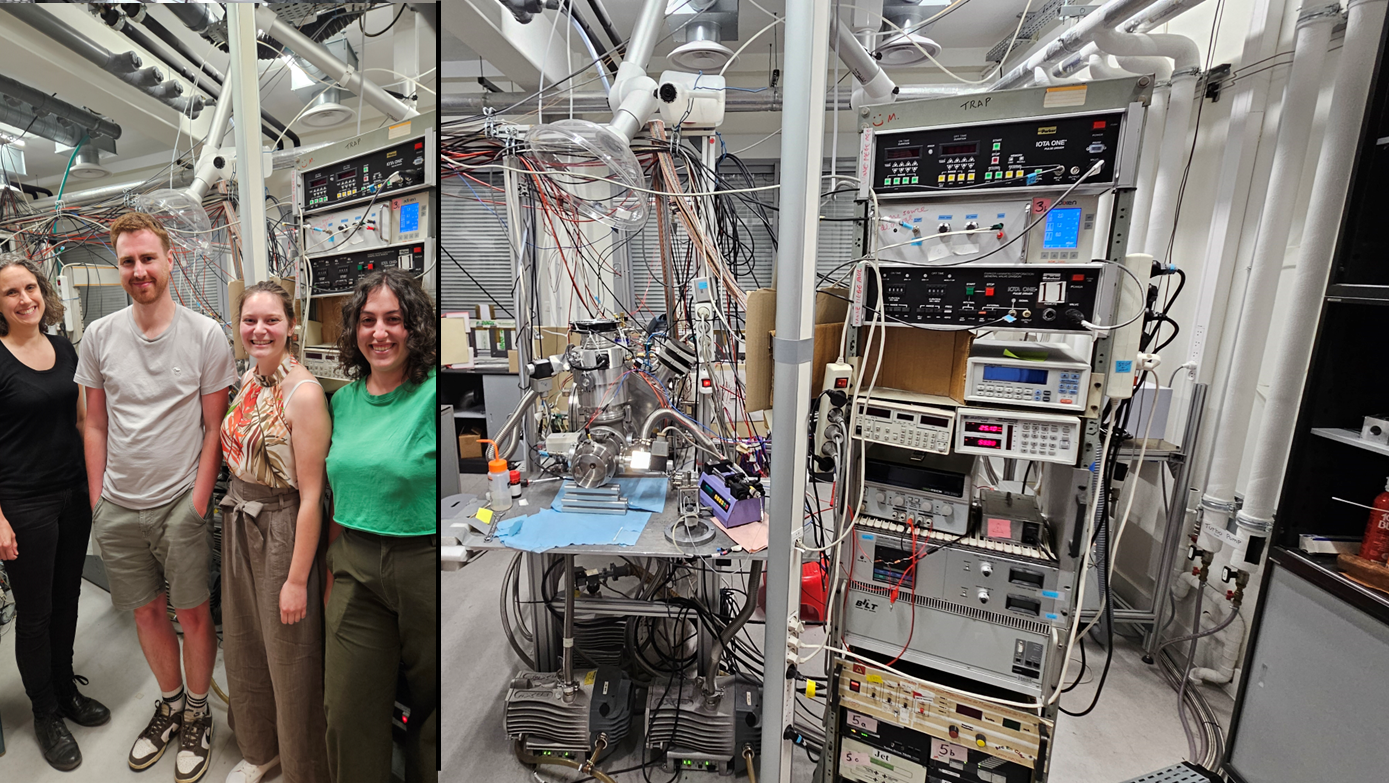
This STSM was carried out by Maëva Louis (Petrignani’s group, Universiteit van Amsterdam, Netherlands) to investigate the photofragmentation spectra of protonated oxygen- and sulfur- bearing polycyclic aromatic hydrocarbons (PAHs), namely the thianthrene and the fluorenone. The visit in the group of Jennifer Noble and Jordan Dezalay (Aix-Marseille Université, France) enabled the study of the electronic photofragmentation spectra of these protonated molecules using electrospray ionization of acidic solutions prepared in water and methanol. The He-cooled ions were trapped using a radiofrequency ion trap and irradiated with a tunable OPO laser in the 210–409 nm range. Time-of-flight mass spectrometry revealed fragmentation channels involving the loss of CO and sulfur, and the photofragmentation electronic spectra of both the parent ions and their fragments were recorded. These results will contribute to a better understanding of the electronic signatures and fragmentation processes of protonated PAHs under interstellar conditions.
Patrick Fowler - Carbon chemical graph theory
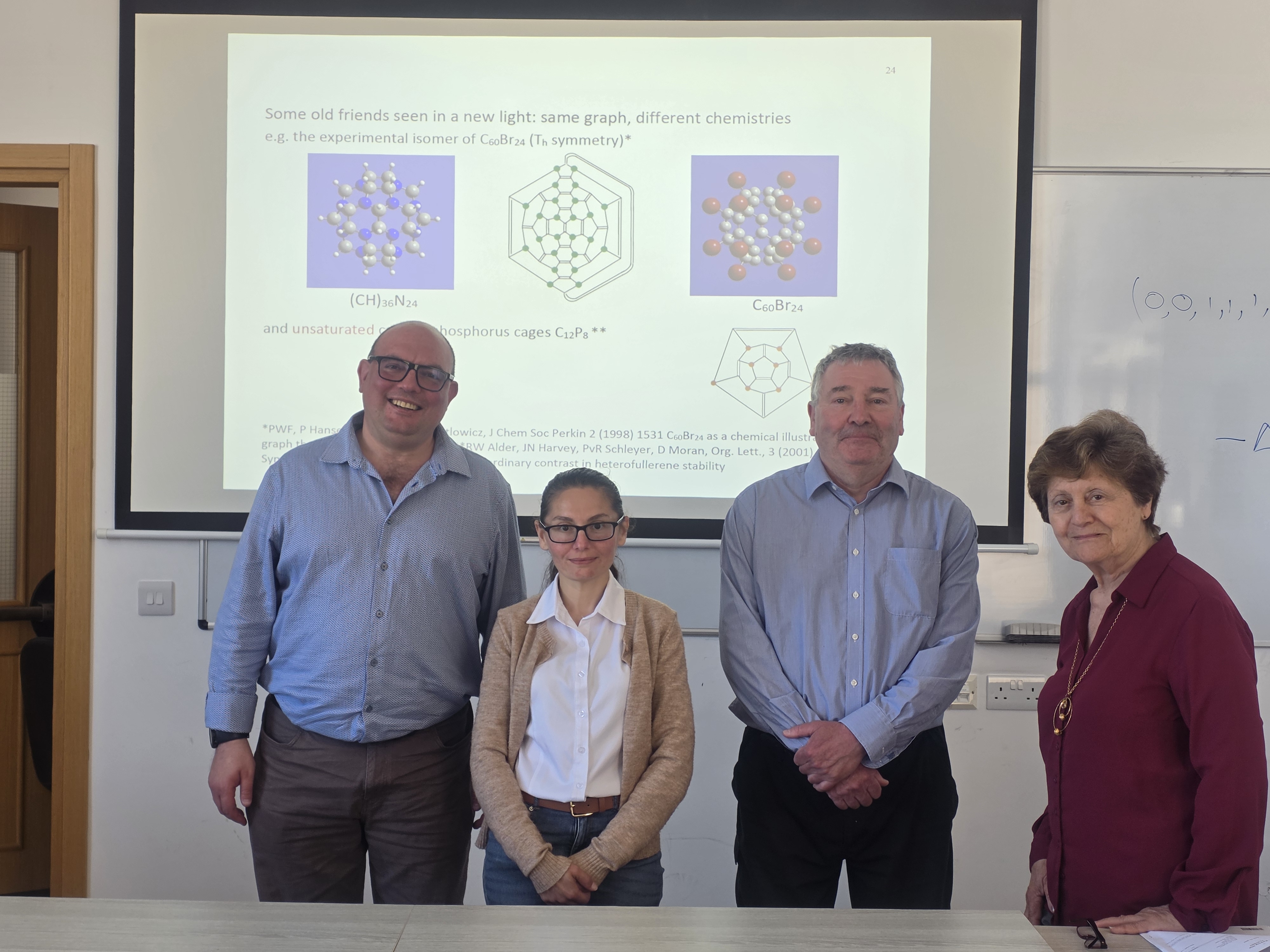
During this STSM, the chemist Patrick Fowler (Sheffield Univ., UK) spent a productive week in the Mathematics Department, University of Malta, collaborating with graph theorists Irene Sciriha and James Borg on chemical graph theory for electronic structure, delocalisation and flow of electrons in carbon nanostructures, including the fullerenes, polycyclic aromatic hydrocarbons and nitrogen-containing analogues implicated in astrochemistry. Fullerenes include the omni-conducting nut graphs; here we focused on uniform-core graphs, which are their omni-insulating opposites. Results will be detailed in a forthcoming paper. The visit also gave the opportunity for a mini-informal symposium on Symbiosis Between Mathematics and Chemistry, where one theme was graph-theoretical modelling of carbon-nitrogen cages built to a specific recipe, their relation to and difference from fullerenes, and the versatility of graph theory for modelling different chemistries and stability rules, connecting with previous work on azafullerenes by COST Action members.
Gema Navarro Marín - STM visualization of the organic content in meteorites
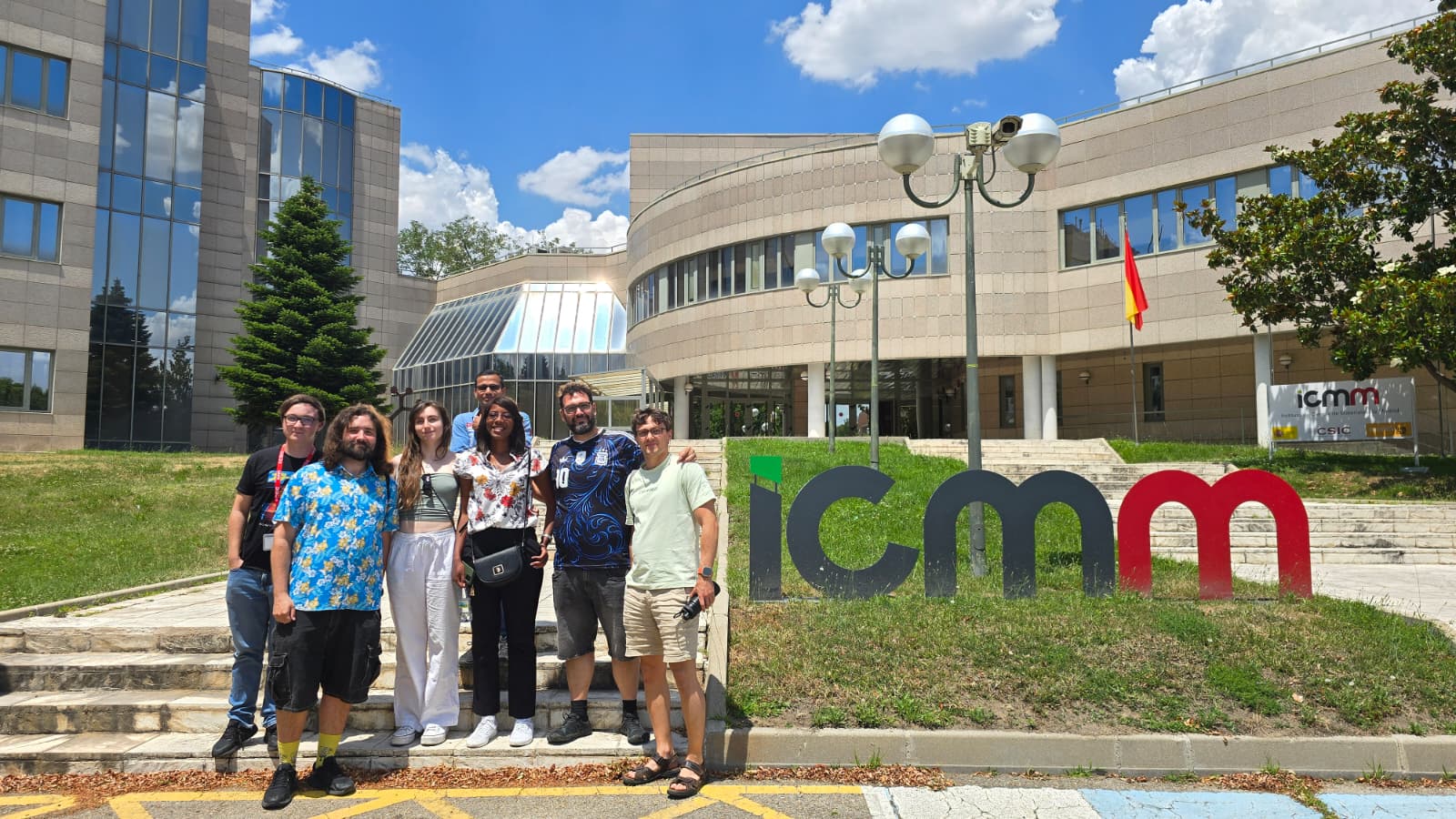
This STSM supported the research stay of Dr. Gema Navarro (University of Basel, Switzerland) at the experimental facilities of the ESISNA group, led by Prof. José Ángel Martín Gago (ICMM-CSIC, Madrid). The main goal of this investigation was to unveil the structure and properties of complex polycyclic aromatic hydrocarbons (PAHs) present in a extraction solution from the meteorite Almahata Sitta. The work of Gema contributed to the characterization of these organic molecules by means of Low-Temperature Scanning Tunnelling Microscopy (LT-STM). This surface science approach enables the morphological characterization of PAHs and it is also capable, in particular instances, to resolve their molecular skeleton. The outcomes of this study could be beneficial for the training, recognition and discrimination by artificial intelligence algorithms of extraterrestrial organic compounds, providing to the astrophysics and astrochemistry communities a better understanding of the organic materials present in outer space.
Milan Momcilovic - Assessment of Plasma-Generated Carbon Nanoparticles for Electrochemical Catalysis and Sensing
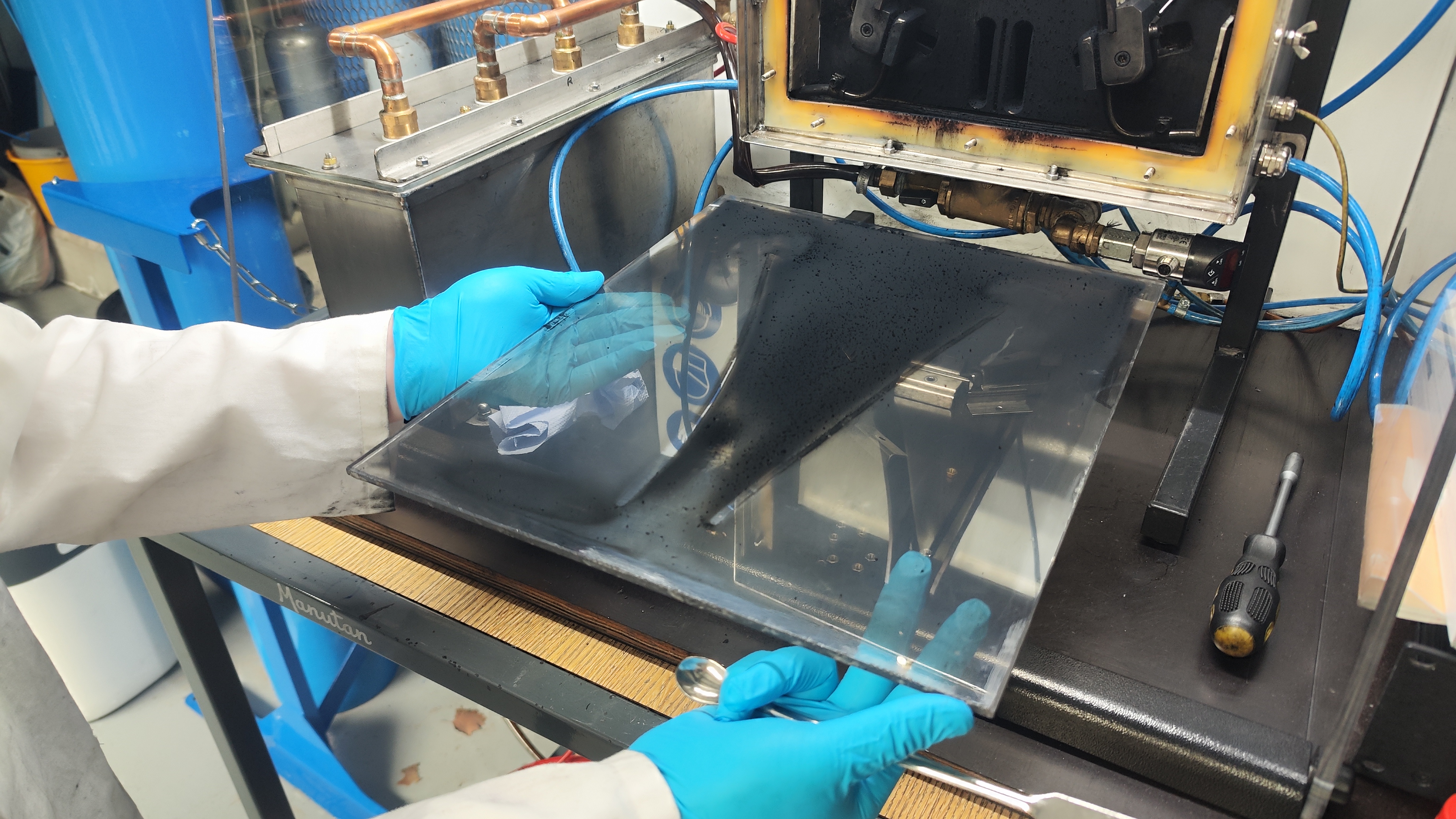
This STSM by Milan Momčilović (University of Niš, Serbia) was completed at Materia Nova Research Center and the University of Mons (UMONS), Belgium, hosted by Prof. Rony Snyders and Dr. Carla Bittencourt. During the mission, plasma-generated carbon nanomaterials were synthesized by methane pyrolysis using a low-current gliding arc discharge reactor. By systematically varying the methane and propane concentrations and discharge current, a representative series of carbon nanoflake materials with different structural characteristics was successfully produced. Preliminary characterization confirmed the reproducibility of the synthesis approach, while initial electrochemical screening demonstrated promising electrocatalytic behavior for several of the synthesized materials. The research will now continue at the University of Niš (Serbia), where the complete series of carbon nanomaterials will undergo comprehensive electrochemical evaluation using cyclic voltammetry, differential pulse voltammetry, and square-wave voltammetry toward benchmark redox systems and environmentally relevant analytes, including ascorbic acid, hydroquinone, metol, and hydrogen peroxide.
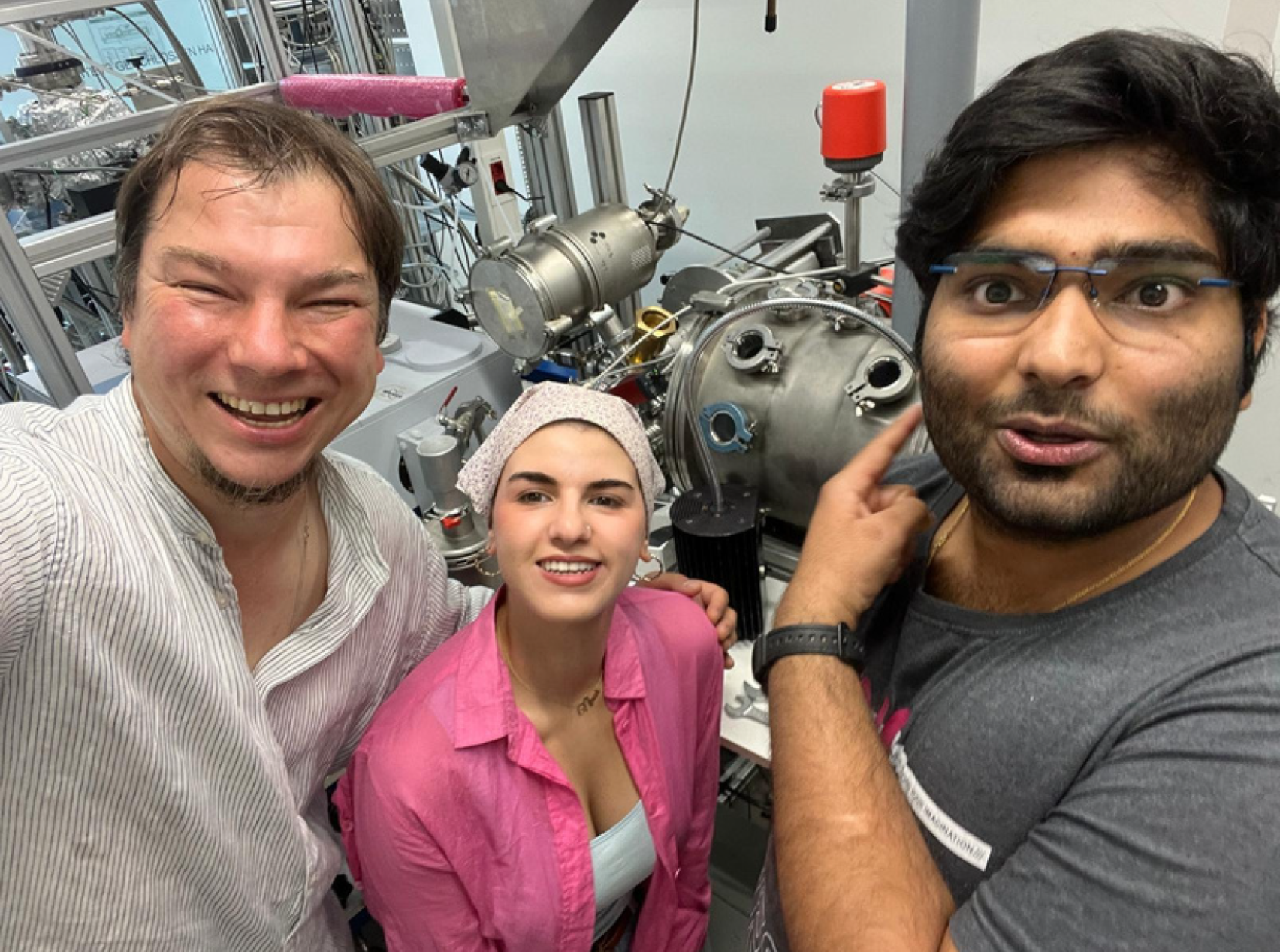
Nour Harika - Synthesis and characterisation of porous carbonaceous dust analogue films for astrochemical surface experiments
Nour Harika, PhD student at the Laboratory for Astrophysics Instrumentation and Research (LIRA, CY Cergy Paris University and Paris Observatory, France), visited the Astrochemistry Laboratory of the Analytical Mineralogy Group, Institute of Geosciences, Friedrich Schiller University Jena in Germany, as part of the ongoing collaboration between both research teams. During this STSM, porous amorphous carbonaceous (¹²C and ¹³C) and magnesium silicate (MgSiO₃) dust analogue films were synthesized via pulsed-laser ablation using the Jena Dust Machine. The produced samples of varying thickness were brought back to LIRA for follow-up reactive surface area characterization and molecular diffusion experiments. A second research visit is planned for September 2026 to investigate formaldehyde (H₂CO) diffusion within porous grain matrices.
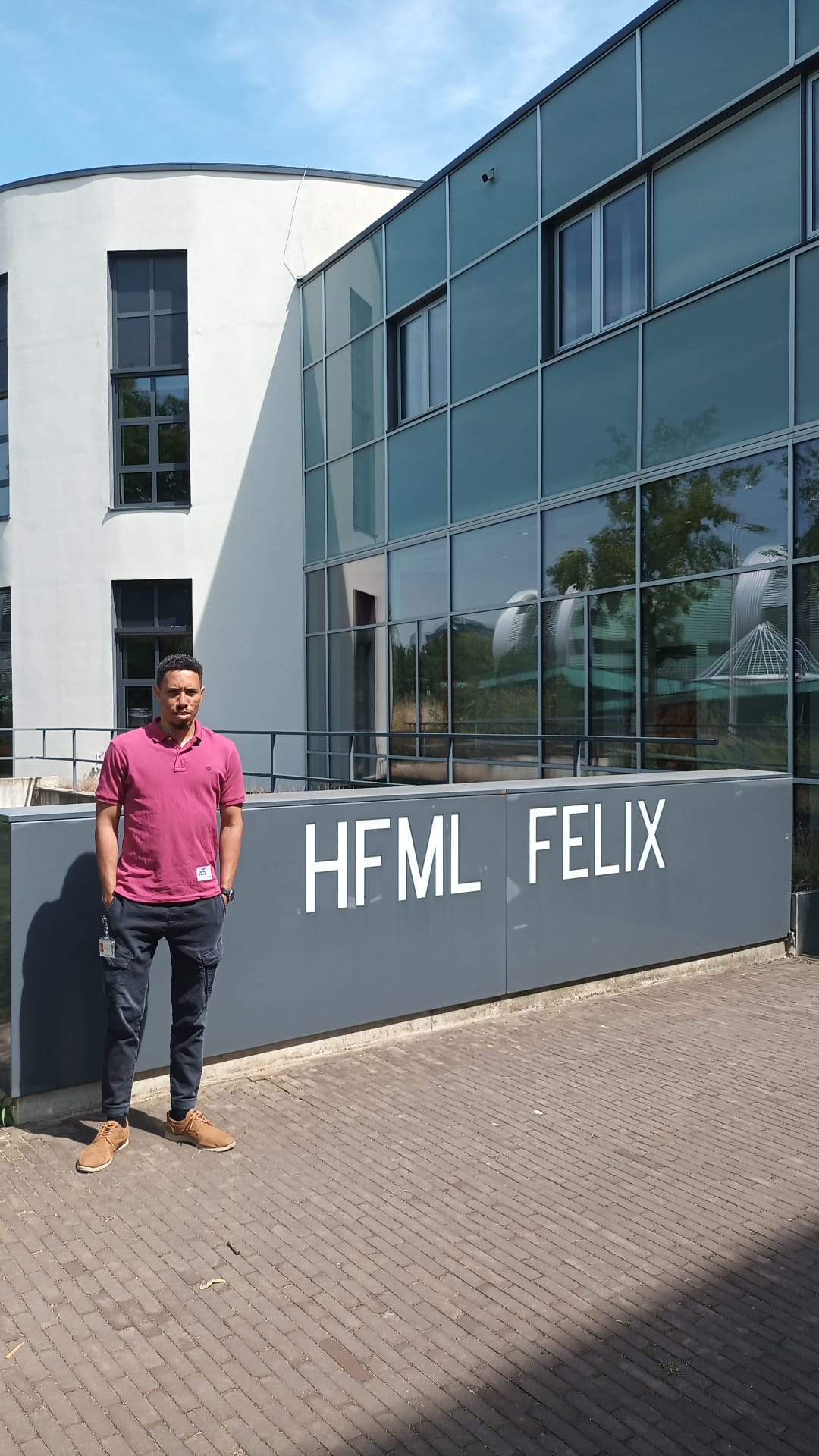
Ransel Barzaga - Exploring the IR spectra of PAH-C60 adducts from indene and pentacene: neutrality vs charge
Thanks to a COST NanoSpace STSM, Ransel Barzaga (Universidad de La Laguna, Tenerife, Spain) visited HFML-FELIX in Nijmegen (Netherlands), in collaboration with Piero Ferrari, to study complex carbon species formed by PAHs and C60, with the goal of gaining insights into their fragmentation routes and their corresponding IR data. Using mass spectrometry, they tracked the adducts formed from indene and pentacene and followed their fragmentation routes; since an ion trap was available only in the charged-species setup, they could induce controlled fragmentation and probe for new reactive species only for the ions, before recording IR spectra with the FELIX free-electron laser under ultra-high vacuum, free from the matrix effects that affect standard pellet measurements. The main finding was that these PAH-C60 adducts have a very short lifetime under the laser conditions, surviving less than a minute. This short lifetime prevented the acquisition of an accurate IR spectrum, but the campaign proved invaluable for defining the right experimental conditions for these challenging samples.
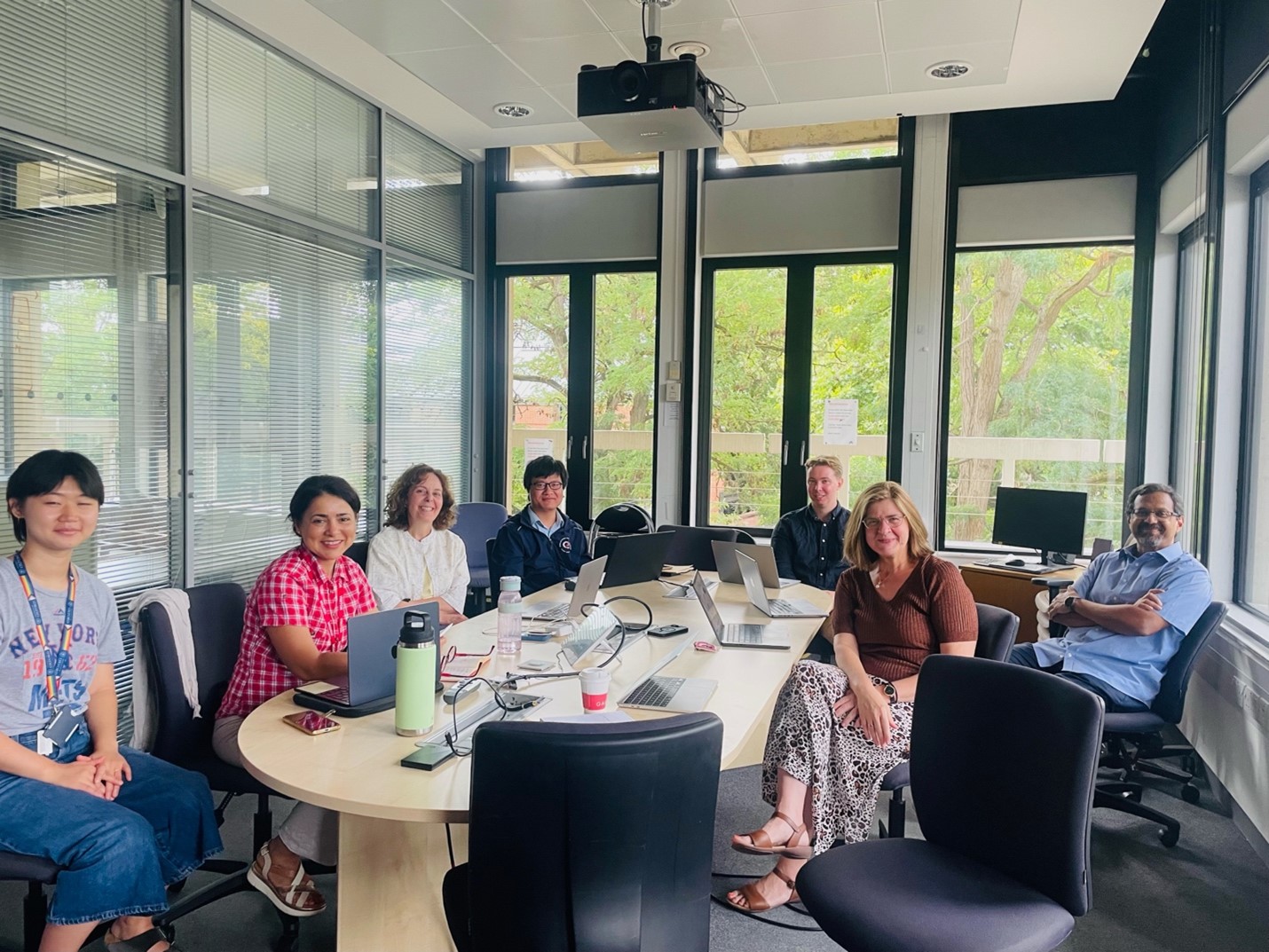
Boutheina Kerkeni - Anharmonic frequency calculations and computational refinement of PAH molecular spectroscopy for astrophysical applications
This STSM, hosted by the Astrophysics sub-department of the University of Oxford in collaboration with ESILV/DVRC, permitted Boutheina Kerkeni to advance the computational study of polycyclic aromatic hydrocarbons (PAHs) regarding their vibrational spectra, charge states, and stability in astrophysical environments. She initiated anharmonic vibrational-frequency calculations for a series of PAHs ranging from benzene to coronene, aiming to assess whether anharmonic effects contribute to the astronomical 5.2 μm emission feature; a question standard harmonic calculations cannot resolve. In parallel, a numerical charge-balance model was developed and validated for coronene, covering neutral, cationic, dicationic and anionic states, incorporating photoionisation, electron recombination and attachment. The work was extended with a sequential H-loss fragmentation model for the coronene dication, laying the groundwork for a combined model of PAH charge state and stability under varying radiation conditions. Ongoing calculations of ab initio charge-dependent molecular properties, alongside analysis of the anharmonic spectra near 5.2 μm, will be compared with observations of PAHs in AGN/outflow and star-forming environments, establishing a lasting basis for collaboration between quantum chemistry and observational astrophysics within the NanoSpace network.
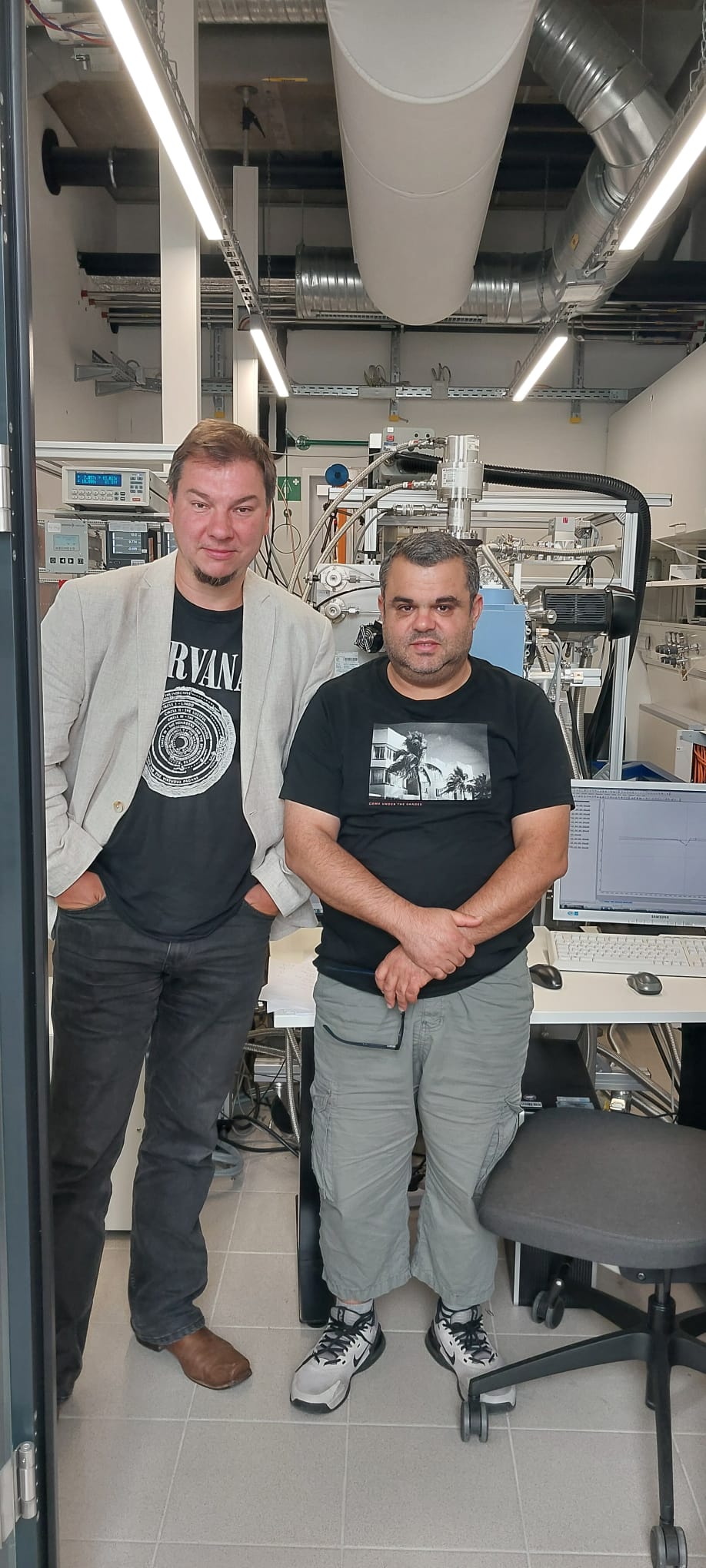
Saoud Baouche - Low-energy electron-induced reactions on astrochemical dust grain analogs
Saoud Baouche (LIRA, CY Cergy Paris Université, France) carried out a STSM at the Analytical Mineralogy Group of Friedrich Schiller University Jena (Germany), hosted by Alexey Potapov. The mission focused on how low-energy electrons process interstellar ice analogs, allowing a direct comparison with the UV photochemistry previously studied at Jena. Methanol (CH₃OH) ice was deposited on cold KBr substrates under ultra-high vacuum and irradiated with electrons in the 1–20 eV range, spanning dissociative electron attachment, impact excitation, and ionization regimes. Resulting changes in the ice were tracked using infrared spectroscopy and temperature-programmed desorption. This work delivered the first comparative electron-versus-photon measurements on methanol ice within the collaboration, identifying reaction products relevant to the formation of complex organic molecules in interstellar environments. The collaboration between the Jena group and Chris Arumainayagam (Wellesley College) continues, with a joint publication currently in preparation.
Vincent Richardson - Formation of aromatic hydrocarbons through low energy ion-molecule reactions
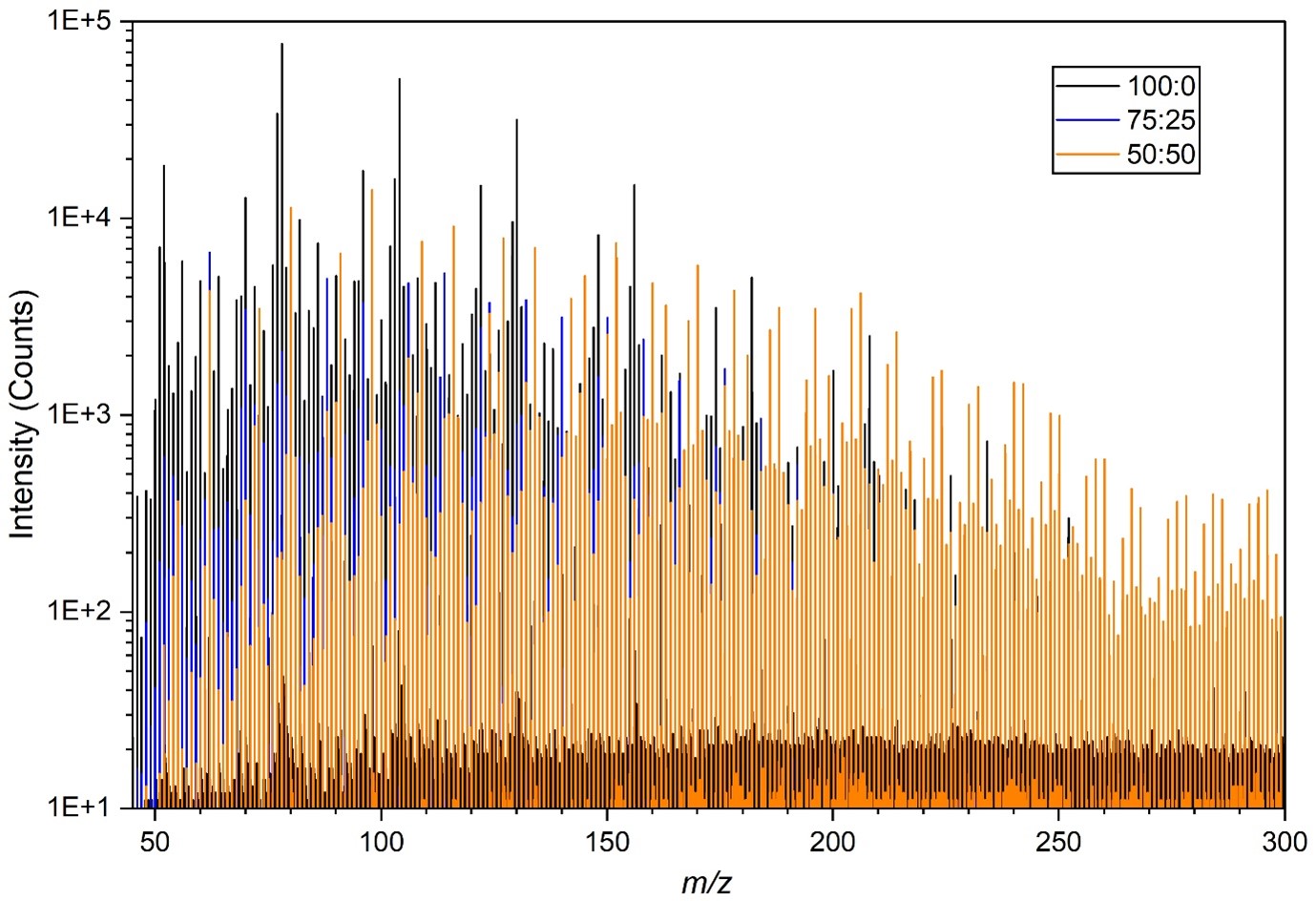
This STSM permitted Vincent Richardson (Liverpool Univ., UK) to carry out two weeks of collaborative measurements at the NanoBio Physics Laboratory of the University of Innsbruck (Austria). These measurements involved performing ion-neutral reactions inside helium nanodroplets, which enables us to emulate the conditions present on the surface of interstellar dust and ice. Having previously demonstrated that acetylene efficiently reacts with acetylene cations to form the benzene cation under such conditions, in this project we explored the reactivity with different mixtures of acetylene and water. Through this, we aim to explore how the wider chemical environments impact the formation of aromatic hydrocarbons on the surface of astrochemical dust and ice. The products formed by these reactions were characterized through both IR action spectroscopy and time-of-flight mass spectrometry.
Aynura Karimova - Interfacial structure and spectroscopic signatures of GO-containing hybrid nanostructures: Laboratory models for C nano-environments
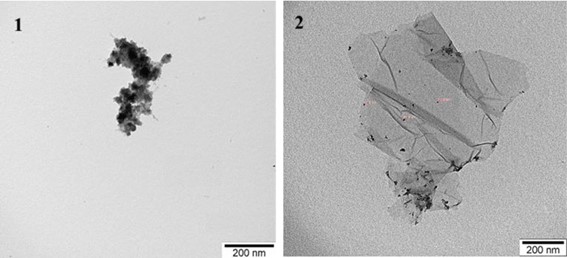
This STSM enabled Aynura Karimova (Baku State University, Azerbaijan) to carry out a research stay at the University of Calabria (Italy). The mission focused on graphene oxide-containing hybrid nanostructures as laboratory models for carbonaceous nano-environments, comparing a Fe₃O₄/chitosan reference system with a Fe₃O₄/chitosan/graphene oxide hybrid synthesized beforehand at the home institution. During the stay, both systems were comprehensively characterized using TEM, FTIR, XRD, UV-Visible spectroscopy, and thermogravimetric analysis. TEM revealed that graphene oxide (GO) acts as a two-dimensional interfacial scaffold, reorganizing the hybrid architecture into a more homogeneous nanoparticle dispersion compared with the compact agglomerates seen in the reference system, while FTIR, XRD, and UV-Vis confirmed interfacial hydrogen bonding, a preserved magnetite structure, and the electronic signatures of successful hybrid formation. These results, which will form the basis of a joint scientific publication, establish validated laboratory-scale model systems for carbonaceous nano-environments and strengthen the ongoing collaboration between Baku State University and the University of Calabria within NanoSpace.
Aicha Bouhlala - Introductory study of dust formation in AGB stellar environments and its relation to cosmic carbon nanoparticles
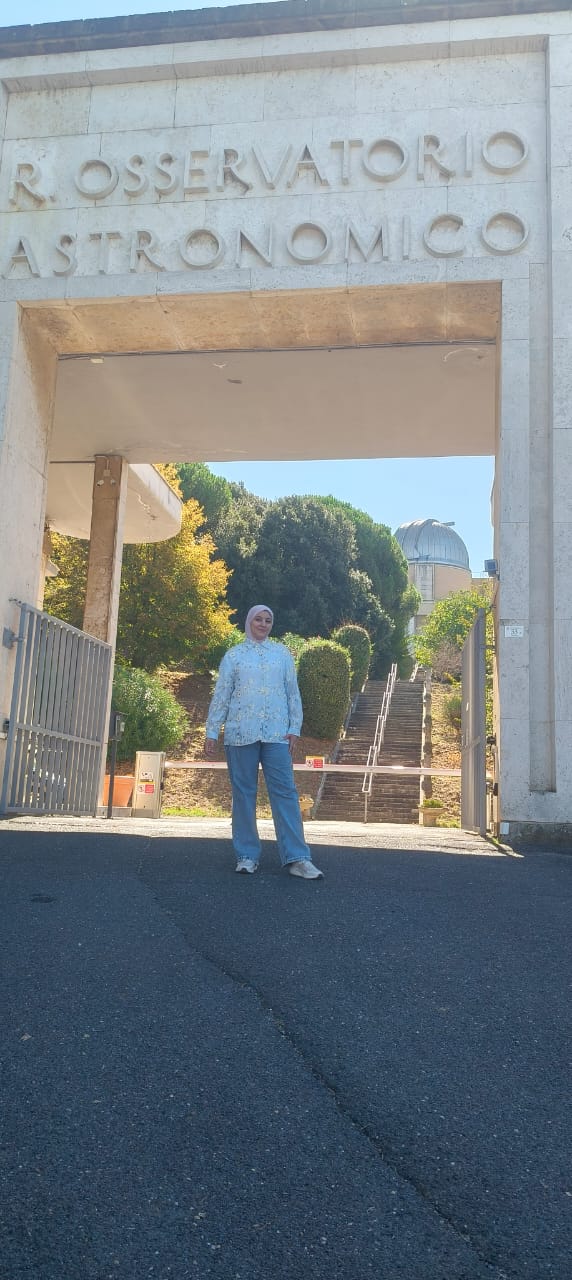
This STSM by Aicha Bouhlala (Boumerdes Univ., Algeria), and carried out at INAF - Osservatorio Astronomico di Roma (Italy) under the supervision of Paolo Ventura and Claudio Gavetti, provided an introductory study of carbon-rich dust formation in Asymptotic Giant Branch (AGB) stellar environments and its connection to cosmic carbonaceous material. The work focused on the analysis of theoretical AGB evolutionary models with different metallicities and stellar masses, with particular attention to stars reaching the carbon-star stage, where the surface C/O ratio becomes larger than unity. The evolution of mass loss and carbon-dust production during the carbon-rich phases was investigated using model outputs and analysis tools including Graphica and SuperMongo. The comparison of models provided insight into the connection between stellar evolution, chemical enrichment, mass loss and carbon-rich dust production. The STSM also established a link between my background in computational materials physics and the astrophysical study of cosmic carbonaceous material within the NanoSpace network. Further analysis of the results and a joint scientific publication with the host group are planned.
Chiara Beldì - Hidden charge states: infrared signatures of anionic fullerene species in planetary nebulae
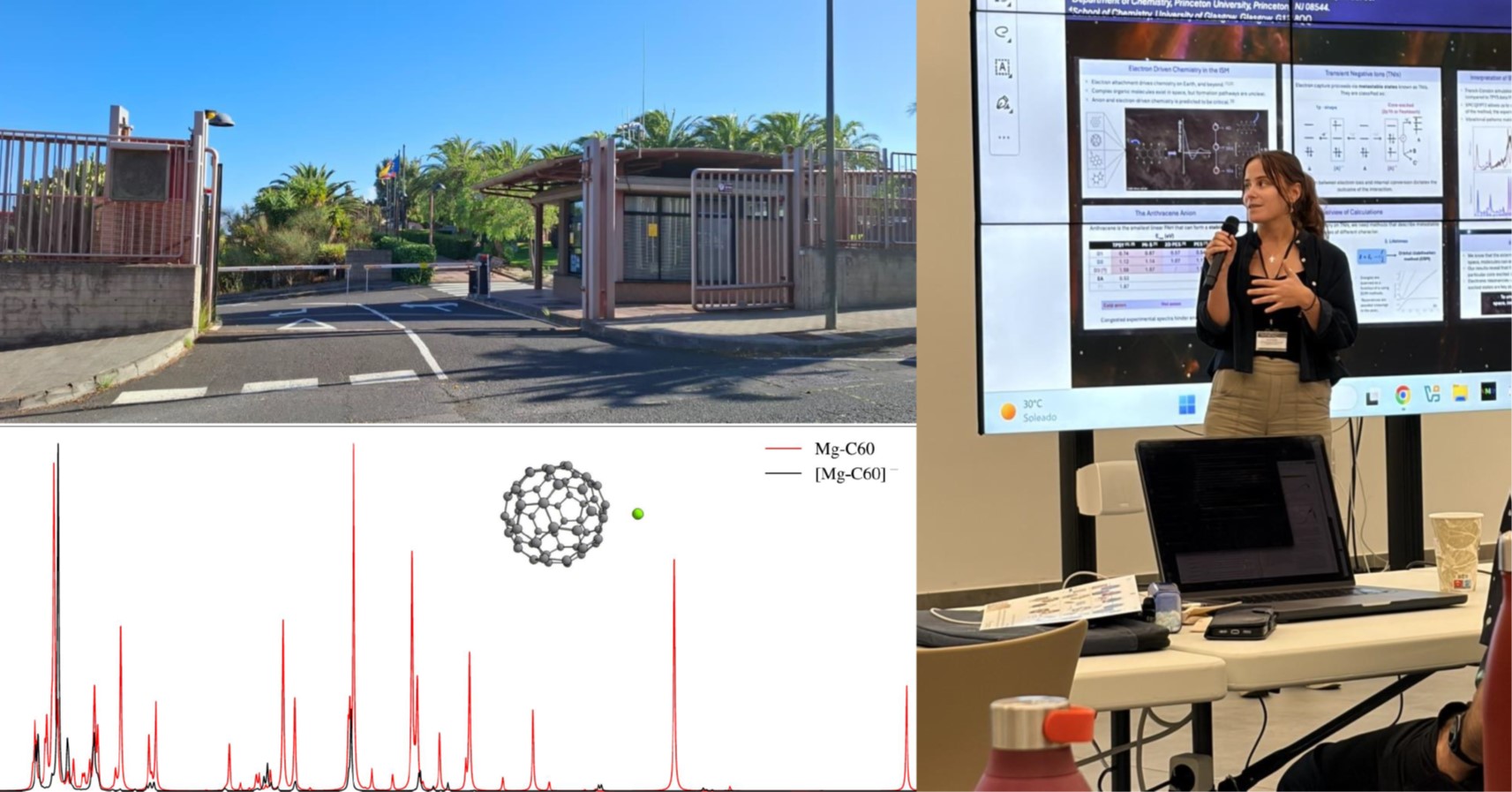
This STSM at the Instituto de Astrofísica de Canarias (Tenerife, Spain), the last Short-Term Scientific Mission of COST Action NanoSpace, investigated the stability and infrared (IR) properties of exohedral anionic metallofullerenes. Negatively charged interstellar molecules are believed to play an important role in many astrophysical environments, but there is limited data available on these species, and their properties remain poorly understood due to computational and experimental challenges. This STSM project aims to assess and improve computational methodologies for the accurate description of anionic fullerene derivatives. Through a systematic study, we are establishing transferable computational protocols to describe these important astrochemical species. Following the validation and assessment of the computational methods, we aim to produce computational IR spectra for selected species to compare with astronomical observations. This will provide a base to evaluate the potential contribution of anionic metallofullerenes to astronomical spectra, fittingly bringing NanoSpace's four years of mobility grants to a close.